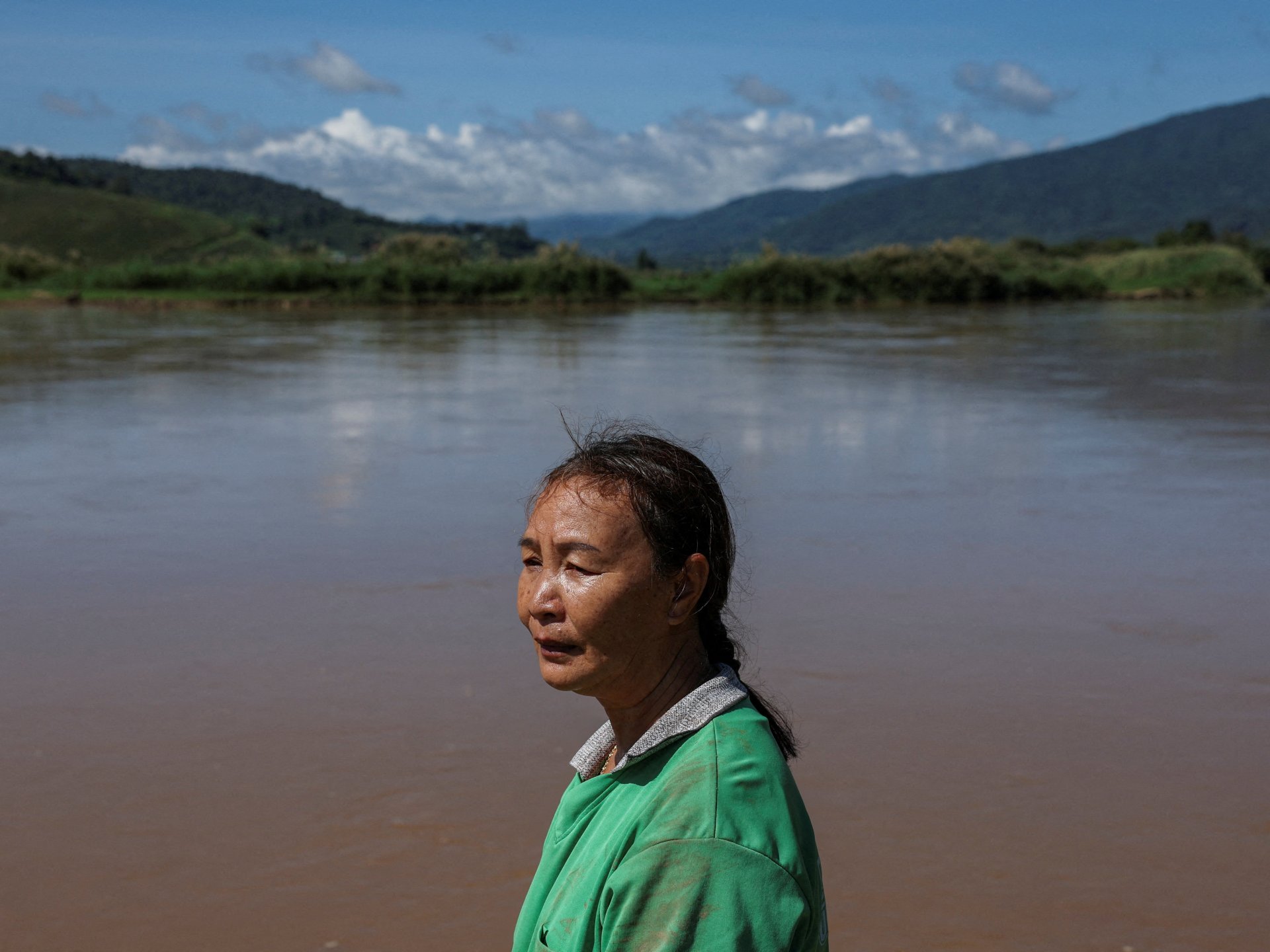
Thai authorities have been scrambling to provide clean water for over 20,000 households in the northern province of Chiang Rai following the discovery of unsafe levels of arsenic in the local water supply. This contamination has been linked to rare earth mining operations across the border in Myanmar. Prime Minister Anutin Charnvirakul ordered government agencies to find alternative water sources and monitor tap water quality after arsenic levels were found to be 30 times over the safe limit in local waterworks. Additionally, untreated water from the Sai River, a tributary of the Mekong River, was found to contain arsenic at 25 times the limit for drinking water. Researchers at Naresuan University have traced much of the arsenic-laden sediment in the Sai River to gold mining operations in Myanmar. The surge in rare earth mining in rebel-held areas of Myanmar is believed to be causing toxic levels of heavy metals in Thai waterways, including the Mekong River. Thai Foreign Minister Sihasak Phuangketkeow raised concerns about the pollution during a visit to Myanmar last week, blaming "wastewater from mining." The Thai government has discussed the issue with Beijing, as many of the mining operations in Myanmar are reportedly Chinese-run. There are fears that the pollution is being washed downstream and could affect millions of people across several countries along the Mekong River. Arsenic has been found in the urine of 17 out of 177 people tested in the northeastern province of Nong Khai, on the border with Laos.
Thai authorities are working to provide clean water for more than 20,000 households in northern Thailand after arsenic from mining operations across the border in Myanmar was found in local water supplies. This contamination has led to the suspension of tap water supplies to thousands of homes in 14 villages in Mae Sai district near the Myanmar border. Arsenic levels in the local waterworks were reportedly 30 times over the safe limit, and untreated water from the Sai River, a tributary of the Mekong River, contained arsenic at 25 times the limit for drinking water. Researchers at Naresuan University have traced much of the arsenic-laden sediment in the Sai River to gold mining operations in Myanmar. The Thai government has discussed the issue with Beijing, as many of the mining operations in Myanmar are allegedly Chinese-run. There are concerns that the pollution could affect millions of people across several countries along the Mekong River. Arsenic has been found in the urine of 17 out of 177 people tested in the northeastern province of Nong Khai, on the border with Laos.
Thailand has been facing a water crisis after arsenic from gold mining operations in neighboring Myanmar was found in the Mekong River. This contamination has led to the suspension of tap water supplies to thousands of homes in 14 villages in Mae Sai district near the Myanmar border, with arsenic levels reportedly being 30 times over the safe limit. Untreated water from the Sai River, a tributary of the Mekong River, also contained arsenic at 25 times the limit for drinking water. Researchers at Naresuan University have traced much of the arsenic-laden sediment in the Sai River to gold mining operations across the border in Myanmar. The Thai government has discussed the issue with Beijing, as many of the mining operations in Myanmar are allegedly Chinese-run. There are fears that the pollution could affect millions of people across several countries along the Mekong River. Arsenic has been found in the urine of 17 out of 177 people tested in the northeastern province of Nong Khai, on the border with Laos.