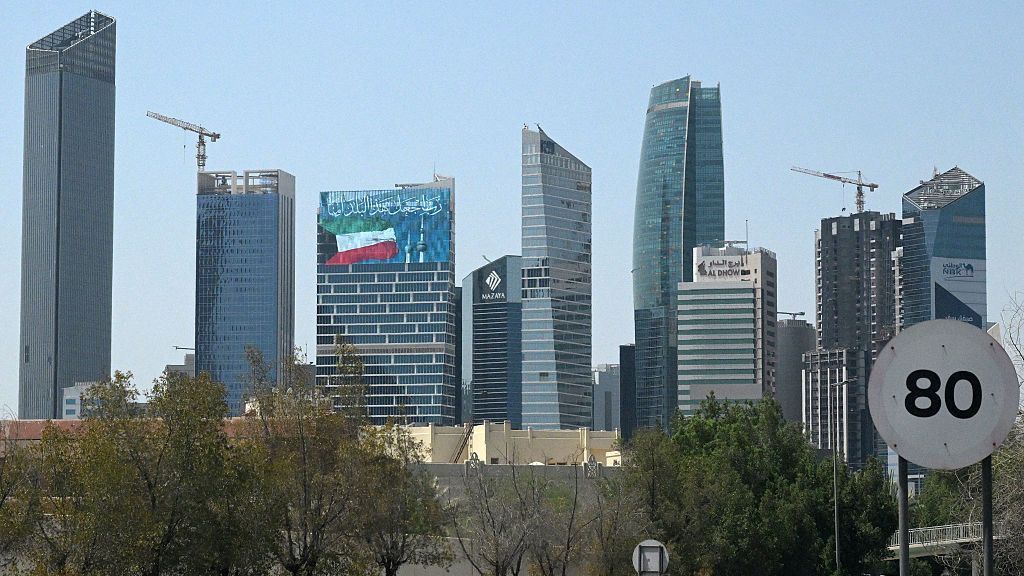
In a potential escalation of hostilities between Iran and the United States, Kuwait and Bahrain reported overnight air attacks by Iran, marking the first such incident in more than two months. The attacks followed a US air strike on the Iranian island of Qeshm in the Strait of Hormuz. Kuwait's military claimed to have successfully defended against drone threats, but without reporting any casualties or damage. Meanwhile, Bahrain reported intercepting and destroying several Iranian aerial attacks, making it the fourth attack over the past six days on the island kingdom which hosts the US Navy's 5th Fleet. The recent exchanges of fire have raised concerns about a potential major escalation in the nine-month-old conflict that began with US and Israeli attacks on Iran in late February. Iran has retaliated for these strikes by launching missiles and drones at Israel and Gulf Arab states hosting US military assets, as well as attacking dozens of commercial vessels in and around the Strait of Hormuz. In a separate development, the Abu Dhabi National Oil Company reported a missing sailor following an attack on one of its vessels in the Strait of Hormuz.
In response to the Iranian "aggression targeting US personnel and assets," US fighter jets targeted a missile launch site on Qeshm Island with precision munitions. Iranian media reported explosions on the island but claimed no damage to infrastructure. The Iranian army also claimed to have targeted US Patriot air defense systems and drone and missile launch platforms at Ali Al Salem Air Base in Kuwait. Meanwhile, the UK Maritime Trade Operations center reported a tanker was struck by an unknown projectile about 13 nautical miles north of Khasab, in Oman's Musandam peninsula, causing a fire on board that was extinguished. Iran insists it will not give up some measure of control over the Strait of Hormuz and has targeted vessels using a southern route through Omani waters to avoid its preferred route through Iranian waters.
The escalating tensions have raised fears of a major escalation in the conflict, with at least 25 seafarers killed across the Middle East since the start of the war. The US and Iran reached a preliminary agreement to end the conflict and reopen the strait in June, but it collapsed within weeks after Iranian attacks on shipping resumed and the US reinstated its blockade. Analysts estimate that US military protection for tankers shuttling through the Strait of Hormuz has allowed crude oil exports from Gulf states to reach around 80% of pre-war levels.
In a recent development, Kuwait and Bahrain have reported overnight air attacks by Iran, marking the first such incident in more than two months. The attacks followed a US air strike on the Iranian island of Qeshm in the Strait of Hormuz, which hosts US military assets. While no significant damage has been reported, Kuwait's military claimed to have successfully defended against drone threats, and Bahrain reported intercepting and destroying several Iranian aerial attacks. The recent exchanges of fire have raised concerns about a potential major escalation in the nine-month-old conflict that began with US and Israeli attacks on Iran in late February. Iran has retaliated for these strikes by launching missiles and drones at Israel and Gulf Arab states hosting US military assets, as well as attacking dozens of commercial vessels in and around the Strait of Hormuz.
In response to the Iranian "aggression targeting US personnel and assets," US fighter jets targeted a missile launch site on Qeshm Island with precision munitions. Iranian media reported explosions on the island but claimed no damage to infrastructure. The Iranian army also claimed to have targeted US Patriot air defense systems and drone and missile launch platforms at Ali Al Salem Air Base in Kuwait. Meanwhile, the UK Maritime Trade Operations center reported a tanker was struck by an unknown projectile about 13 nautical miles north of Khasab, in Oman's Musandam peninsula, causing a fire on board that was extinguished. Iran insists it will not give up some measure of control over the Strait of Hormuz and has targeted vessels using a southern route through Omani waters to avoid its preferred route through Iranian waters.
The escalating tensions have raised fears of a major escalation in the conflict, with at least 25 seafarers killed across the Middle East since the start of the war. The US and Iran reached a preliminary agreement to end the conflict and reopen the strait in June, but it collapsed within weeks after Iranian attacks on shipping resumed and the US reinstated its blockade. Analysts estimate that US military protection for tankers shuttling through the Strait of Hormuz has allowed crude oil exports from Gulf states to reach around 80% of pre-war levels.
Recent reports indicate that Kuwait and Bahrain have been subjected to air attacks by Iran, marking the first such incident in more than two months. The attacks followed a US air strike on the Iranian island of Qeshm in the Strait of Hormuz, which hosts US military assets. While no significant damage has been reported, Kuwait's military claimed to have successfully defended against drone threats, and Bahrain reported intercepting and destroying several Iranian aerial attacks. The escalating tensions have raised concerns about a potential major escalation in the nine-month-old conflict that began with US and Israeli attacks on Iran in late February.
In response to the Iranian "aggression targeting US personnel and assets," US fighter jets targeted a missile launch site on Qeshm Island with precision munitions. Meanwhile, the UK Maritime Trade Operations center reported a tanker was struck by an unknown projectile about 13 nautical miles north of Khasab, in Oman's Musandam peninsula, causing a fire on board that was extinguished. Iran insists it will not give up some measure of control over the Strait of Hormuz and has targeted vessels using a southern route through Omani waters to avoid its preferred route through Iranian waters.
The escalating tensions have raised fears of a major escalation in the conflict, with at least 25 seafarers killed across the Middle East since the start of the war. The US and Iran reached a preliminary agreement to end the conflict and reopen the strait in June, but it collapsed within weeks after Iranian attacks on shipping resumed and the US reinstated its blockade. Analysts estimate that US military protection for tankers shuttling through the Strait of Hormuz has allowed crude oil exports from Gulf states to reach around 80% of pre-war levels. The recent exchanges of fire, as well as deadlock in negotiations on a peace deal, have increased worries about the potential for further escalations and instability in the region.