The United States has announced new interim rules that will tighten scrutiny of data center operators in Singapore, Malaysia, Thailand, Indonesia, and Brazil, aiming to limit the export of advanced chips and access to their computing power. This move poses a challenge for China, which heavily relies on compute from abroad due to US export restrictions. Chinese firms have been renting computing power overseas, particularly in Southeast Asia, to train artificial intelligence models. However, these firms will now need a US government license to buy advanced chips from Nvidia or other American chipmakers, allowing Washington to monitor potential use by Chinese companies. The new rules are seen as "economic coercion" by China's foreign ministry, which has vowed to protect its rights and interests.
The Southeast Asian countries, particularly those with a recent surge in data centers, could also be affected. Some of these firms have been accused of helping China evade US export controls on advanced chips, leading to calls for tighter control measures. For instance, Singaporean data center firm Megaspeed is under scrutiny for allegedly smuggling chips to Chinese companies after purchasing them for use in data centers in Malaysia, Indonesia, and Thailand. The company has denied these allegations, but the US Commerce Department sees these countries as posing a higher-than-normal risk of diversion of the chips Washington wants to keep out of China's hands.
The new measures are intended to prevent sensitive US technology from being circumvented through remote computing arrangements involving data centers in third countries. The issuance of licenses will be on a "case-by-case" basis, potentially affecting countries like Malaysia and Thailand heavily reliant on Chinese buyers for their data center rollout. However, experts predict that the data center boom as a whole is unlikely to be derailed by these new rules. Singapore, an early adopter of data centers, may find it harder to get hold of advanced chips in the future.
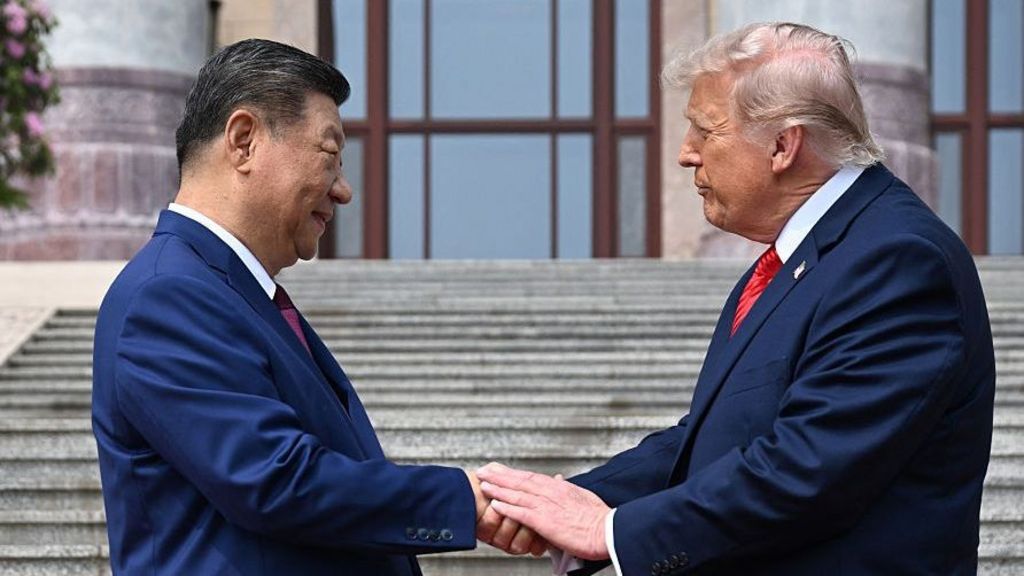
Countries like Indonesia, Malaysia, and Thailand have not yet commented on the new rules, while Singapore is engaging with relevant US authorities to understand them better. Brazil is also closely monitoring potential developments regarding this measure. Some countries in the region have been offering incentives such as cheaper land to attract foreign investment, including from Chinese tech giants Alibaba and Tencent. The new rules come ahead of President Trump's meeting with Chinese leader Xi Jinping in Shenzhen this week, highlighting the ongoing tension between the two nations in the technology sector.