The United States Senate has taken a significant step towards passing a bipartisan bill aimed at expediting the construction of new energy infrastructure and data centers across the country. On Monday, 73 senators, mainly Republicans along with more than a dozen Democrats, voted in favor of the Bipartisan American Affordability and Jobs Act. The legislation seeks to streamline the permitting process for major energy projects, both clean energy and fossil fuel-based, by reducing environmental review deadlines and imposing restrictions on court challenges.
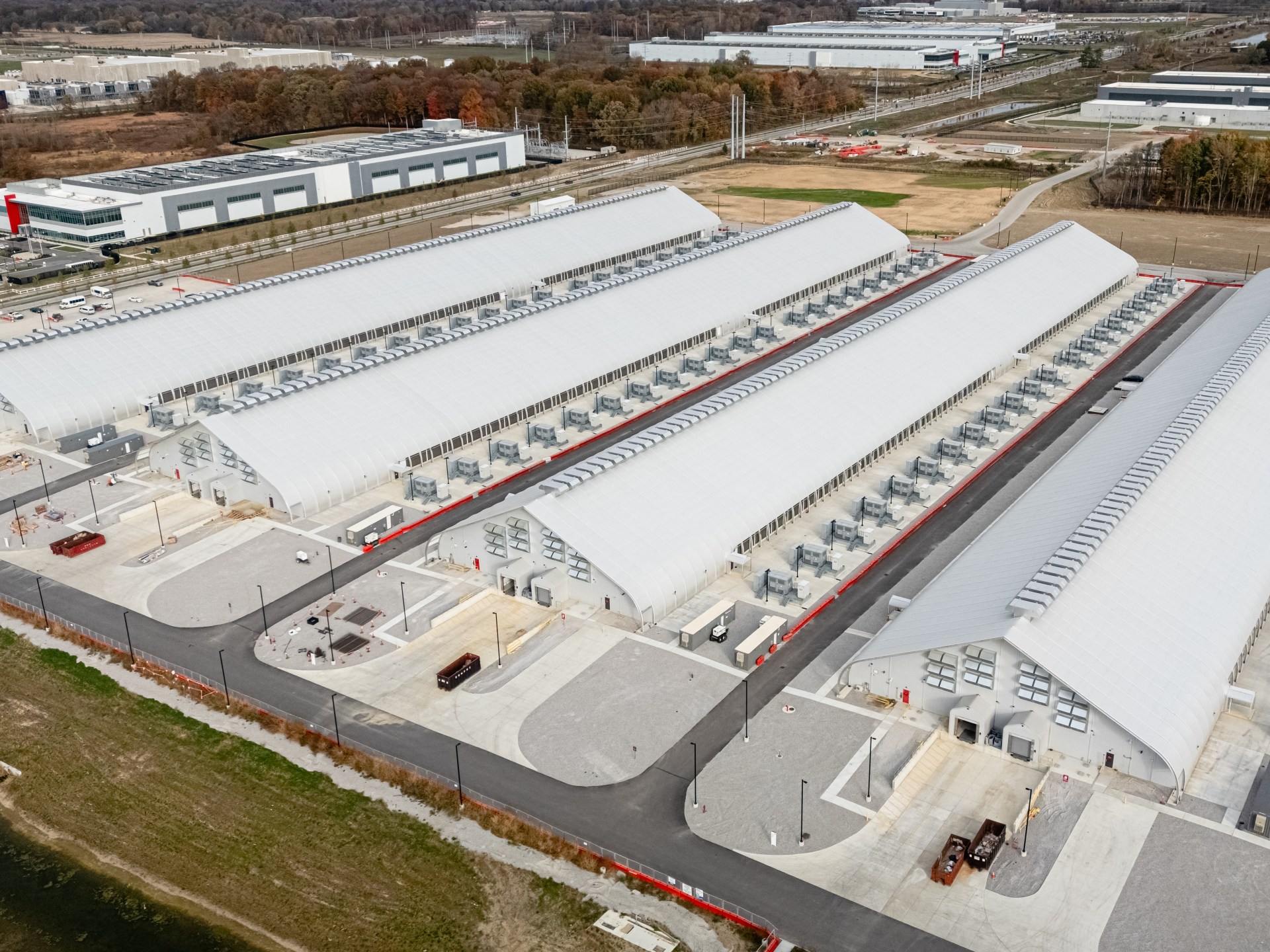
The bill also proposes that owners of energy-intensive data centers should shoulder the cost of infrastructure required to power them, addressing growing public frustration over rising electricity bills resulting from these facilities' use in powering artificial intelligence. The move follows last week's Democratic takeover of the US Congress due to increasing concerns about high energy costs.
While supporters claim that the bill could save $19 billion on residential electricity bills by 2040 and double the number of solar and wind projects connected to the US electric grid, environmental organizations have expressed opposition. They argue that the legislation could potentially lock in fossil fuel development, weaken environmental laws, and make it harder for communities to challenge projects.
A coalition of national groups, including the Climate Justice Alliance, Indigenous Environmental Network, and Western Environmental Law Center, has issued a joint statement opposing the bill. They contend that the legislation could lead to the development of harmful projects that would negatively impact health, the environment, drive up energy costs, and violate residents' rights, particularly in communities already burdened by pollution and climate impacts.
As the bill moves forward, its final passage could be complicated by the Democrats' midterm win. Some members of the party argue that the legislation should be put on hold until new Democratic majorities in the US House and Senate are sworn in early next year. Critics like House Minority Leader Hakeem Jeffries have raised concerns about the bill's shortcomings, calling for more constructive involvement from Democrats and a stronger focus on combating climate change and making life more affordable for American people.