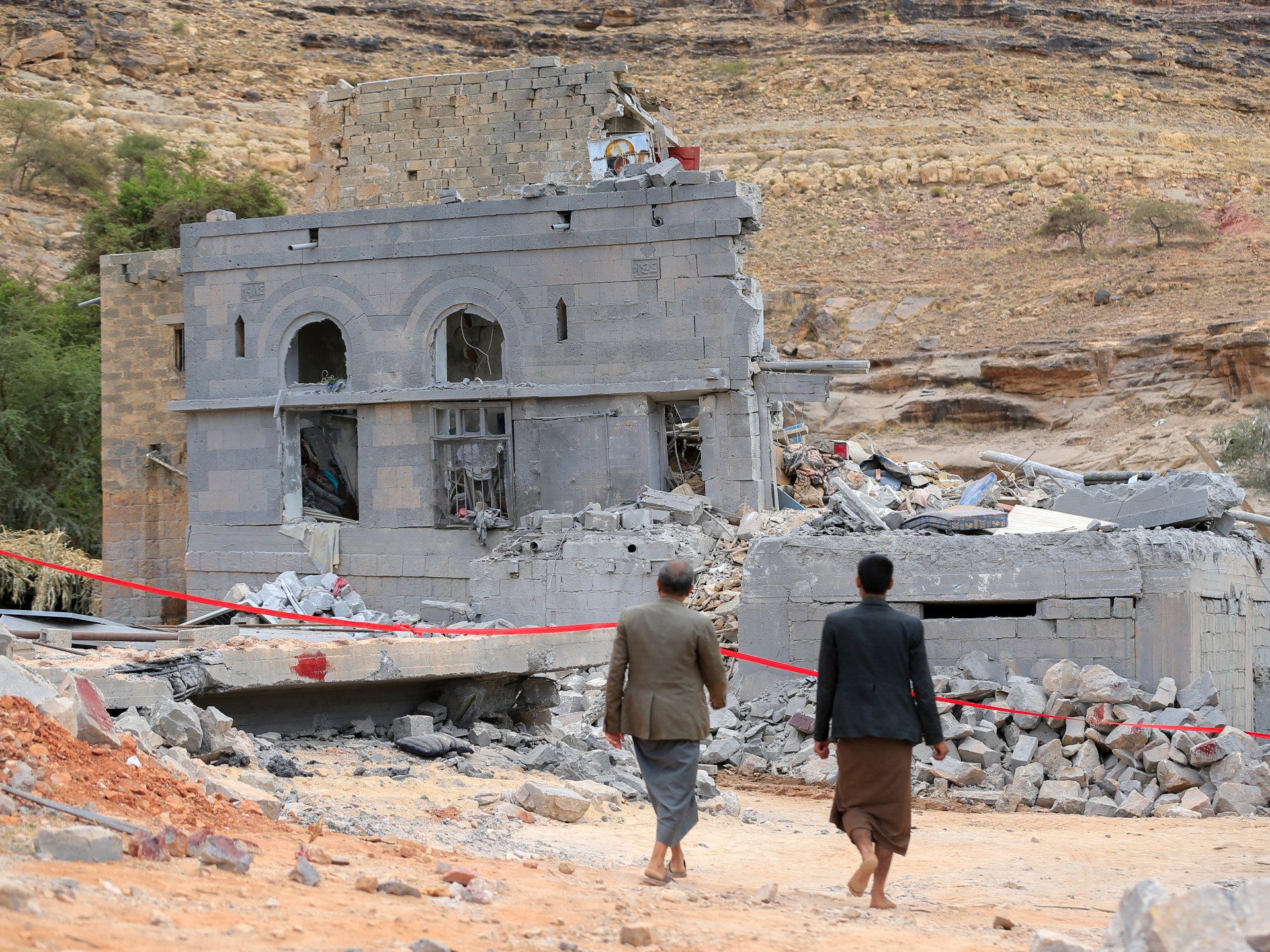
The World Health Organization (WHO) reports that over 320,000 people have been displaced in Yemen since August 1 due to the intensifying conflict between the internationally recognized government and the Iran-allied Houthis. The Houthis have rejected Saudi allegations of targeting Mecca, claiming instead that they launched a drone at a pumping station in Yanbu on the Red Sea and targeted Riyadh's King Khalid International Airport with three cruise missiles. Earlier, Saudi-led coalition forces reported intercepting these missiles, as well as drones towards Mecca and southern regions of Saudi Arabia. Debris from intercepted ballistic missiles is said to have fallen in the village of Sabuhah in Mecca province, a violation of international humanitarian law according to Saudi authorities. The conflict has resulted in over 11,755 casualties as of November 8, with Marib and Lahij being among the worst affected governorates. The Houthis are accused of repeatedly shelling Aden city, including the densely populated al-Buraiqa district where the internationally recognized government is based. In response, Saudi-backed forces have carried out multiple attacks on Houthi fighters and allegedly damaged over 86 heavy weapons and military vehicles in various governorates.
The Houthis claim success in targeting a Saudi coalition military command and control center in Aden's al-Buraiqa district with several ballistic missiles, according to their military spokesperson. The facility is reportedly responsible for directing and overseeing Saudi military reinforcements across active fronts. The conflict has led to critical fuel shortages disrupting emergency medical services in Taiz, and despite the delivery of medical supplies and a vaccination campaign targeting nearly one million children, major gaps remain in trauma care, rehabilitation, and mental health services.
The United Nations agency warns that strikes have also hit health facilities and ambulances, highlighting the urgent need for humanitarian aid and peace in Yemen.