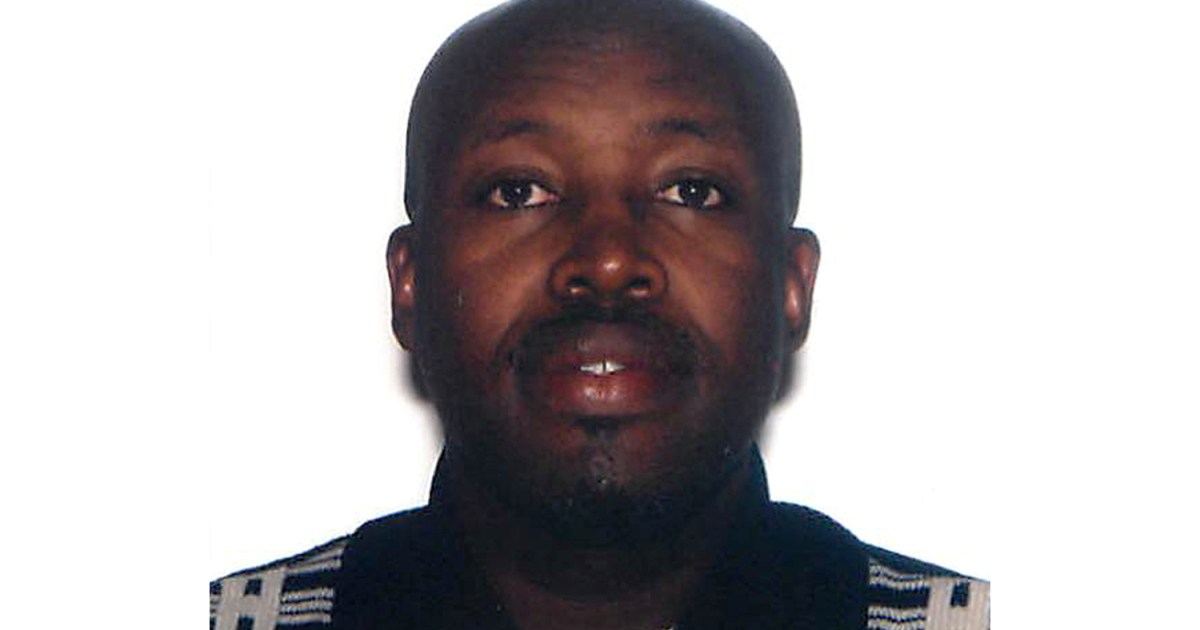
Jean Leonard Teganya, a former medical student at the National University of Rwanda, has been deported from the United States after facing allegations of participating in the 1994 genocide against Tutsi. The National Public Prosecution Authority (NPPA) of Rwanda confirmed that Teganya arrived at Kigali International Airport on November 9, 2026, and was handed over to local prosecutors for separate allegations of genocide and crimes against humanity in the former Butare prefecture. Born in 1971, Teganya was studying medicine during the genocide and had left Rwanda in July 1994 before being deported to the US nearly two decades later. The US Department of Justice accused him of leading groups of soldiers and Interahamwe militia members through the University Teaching Hospital of Butare, searching for Tutsi patients and refugees hiding there, with those discovered taken away and killed behind the maternity ward. Additionally, he was alleged to have been involved in the killing of three Tutsi people at the hospital, Tutsi students in university accommodation, and five rapes involving two Tutsi women seeking shelter at the hospital. These allegations led to his conviction in the US for immigration fraud and perjury, with a sentence of 97 months in prison. However, Rwanda's prosecution authority will now pursue separate charges against Teganya related to the same alleged crimes in the country where they occurred.
SUMMARY (continued):
Teganya left Rwanda in July 1994, before being deported to the US nearly two decades later. The US Department of Justice accused him of leading groups of soldiers and Interahamwe militia members through the University Teaching Hospital of Butare during the genocide, searching for Tutsi patients and refugees hiding there. Those discovered were taken away and killed behind the maternity ward, according to the prosecution's account. Teganya was also alleged to have been involved in the killing of three Tutsi people at the hospital, Tutsi students in university accommodation, and five rapes involving two Tutsi women seeking shelter at the hospital. These allegations formed part of the evidence in his US immigration-related trial, leading to his conviction for immigration fraud and perjury. However, Rwanda's prosecution authority will now pursue separate charges against Teganya related to the same alleged crimes in the country where they occurred.
SUMMARY (continued):
Teganya was not tried for genocide in the United States, with his criminal case concerning statements he made to US immigration authorities about his political affiliations and activities during the genocide. The allegations about his conduct during the genocide featured in the evidence presented at trial, but the jury did not convict him of genocide. Teganya's return brings him back to Rwanda to face allegations that have remained unresolved in its judicial system since 2014. His case has crossed three legal systems: Canada's examination of his eligibility for asylum, the US prosecution over false statements in immigration proceedings, and Rwanda's separate allegations of genocide and crimes against humanity. The question now is whether Rwandan prosecutors can establish Teganya's individual responsibility for the crimes of which he is accused.