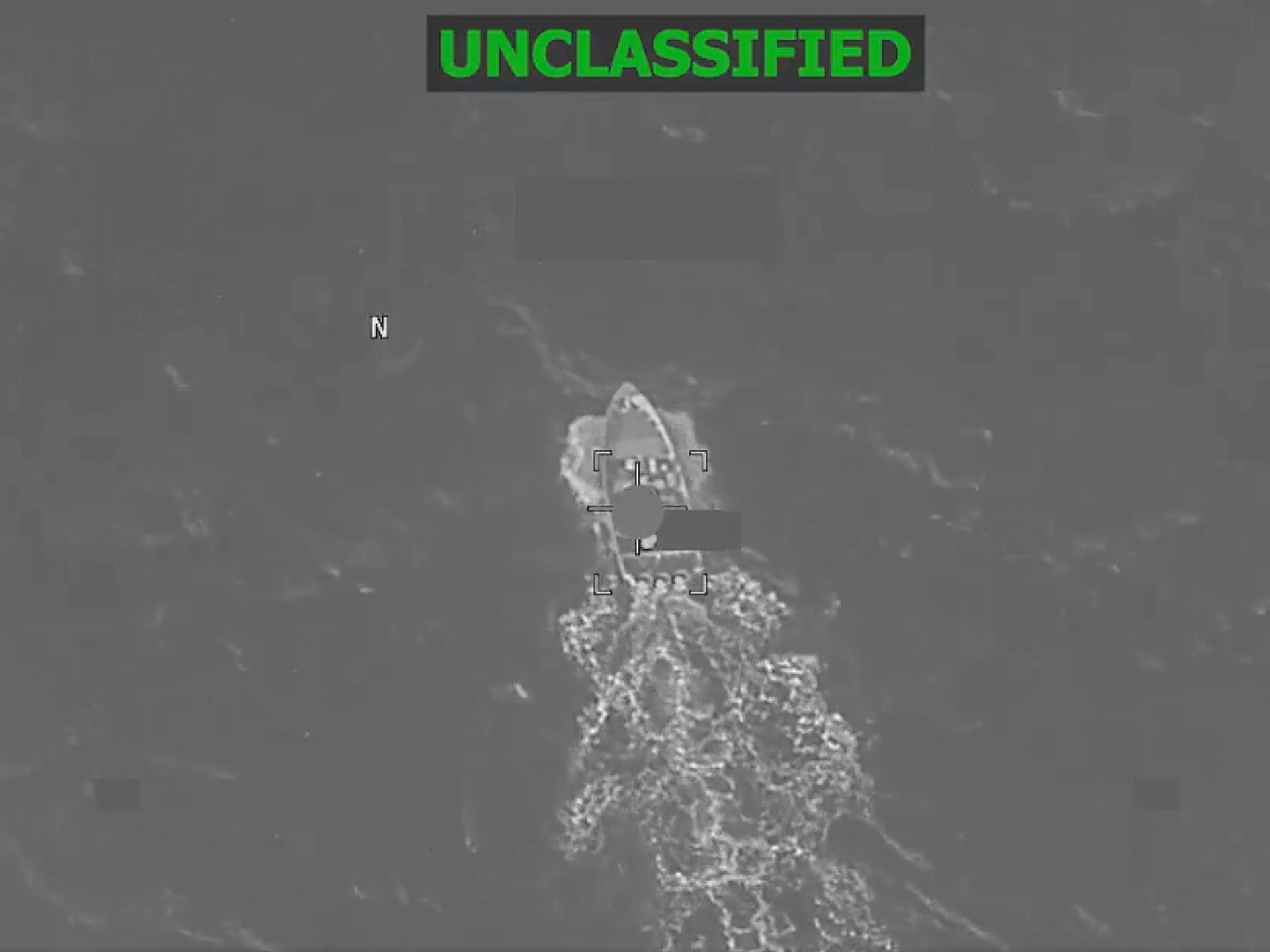
A group of Ecuadorian fishermen have filed a lawsuit against the administration of United States President Donald Trump, accusing them of unlawful drone strikes that sunk their vessel and injured crew members. The incident occurred on March 17, when the fishing boat La Negra Francisca Duarte II was attacked by drones allegedly launched from a US-operated vessel. The lawsuit, filed in a Pennsylvania federal court on Monday, seeks financial restitution and any additional relief the court deems just. It also petitions the court to issue an order ending the Trump administration's campaign of strikes targeting alleged drug trafficking boats in the Caribbean and eastern Pacific.
The complaint centers around the sinking of La Negra Francisca Duarte II, based in Ecuador. The government has not admitted responsibility for the attacks on this vessel and two other Ecuadorian boats that were attacked and sunk in recent months. Reports suggest these vessels may have been targeted by the CIA as part of a secret overseas mission or by a US government contractor or regional ally. The attacks bear resemblance to an ongoing campaign the US military has claimed credit for since September 2025, which aims at killing alleged "narcoterrorists."
Experts have criticized this campaign, describing it as extrajudicial killings in violation of international law. At least 244 people have been killed as part of this campaign. The lawsuit filed on Monday alleges that two drones were launched from a vessel operated by the US in March and proceeded to attack La Negra Francisca Duarte II, setting the boat ablaze and resulting in "serious burns" for two of the 16 crew members. After the strike, the crew members claim they were met by armed men speaking English dressed in military uniforms.
Since Trump's return to the White House in 2025, he has launched a hardline campaign to combat drug trafficking into the US, which has coincided with an expansion of US military operations across Latin America. However, critics have raised concerns over transparency and potential rights abuses during such operations. No suspects have been identified in the boat strike campaign undertaken by the US military, nor has any evidence been presented to the public. Families of the victims have stepped forward to claim their loved ones as having been killed, with many arguing that the people killed were not drug traffickers but fishermen and informal workers.
The lethal boat strike campaign continues, with a recent attack taking place on October 27. The US government has also been involved in non-lethal interception efforts, stopping suspected drug-trafficking boats. Human Rights Watch says that the US and Ecuador intercepted at least eight vessels between late August and mid-September, on the basis that they were being used to supply drug trafficking groups. Efforts to hold the US government accountable for these actions will be difficult due to the lack of transparency surrounding the boat strikes.