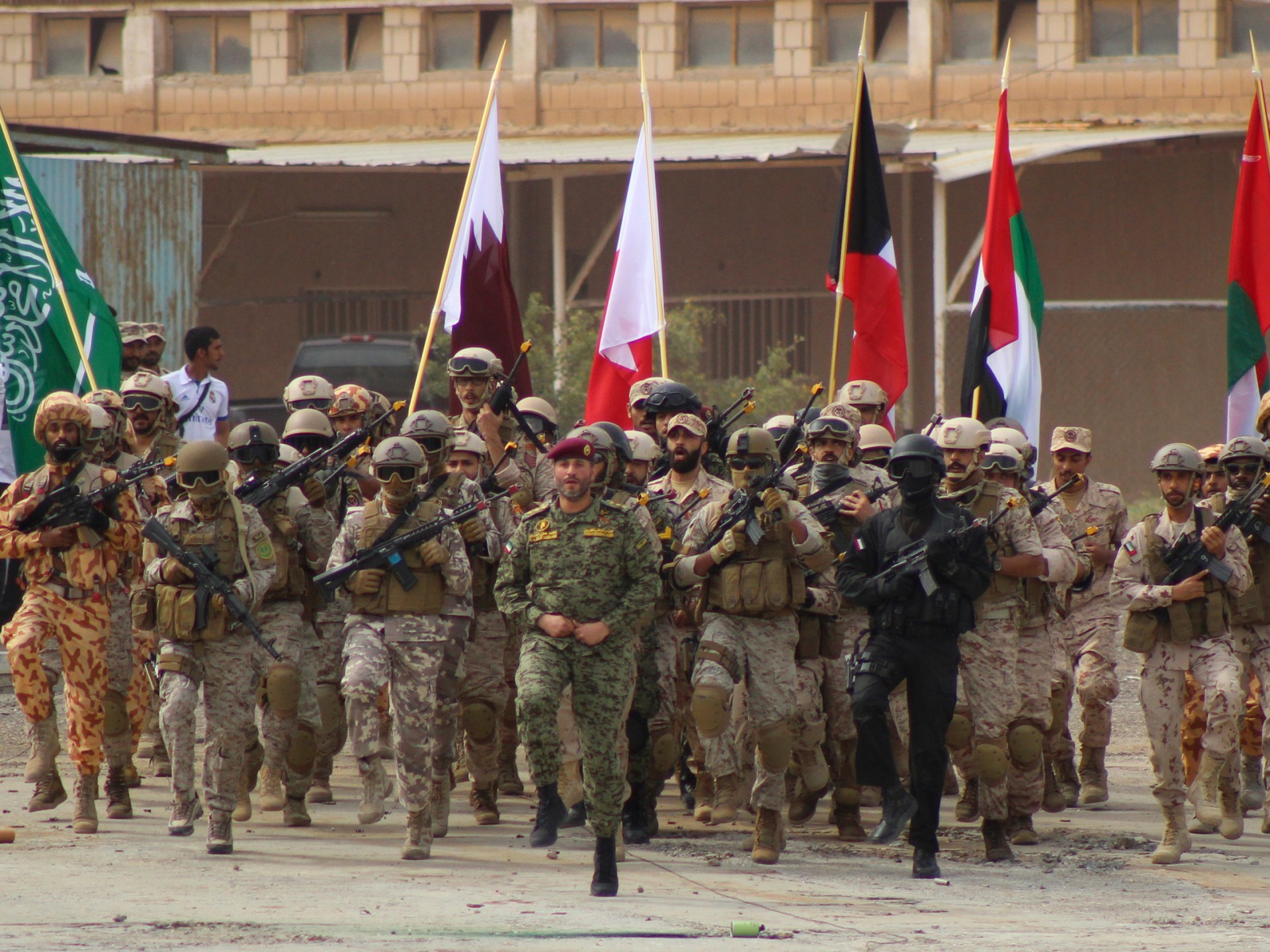
In a move aimed at bolstering defense coordination and addressing regional challenges, the Gulf Cooperation Council (GCC) has decided to set up an advanced military command headquarters in Kuwait. The announcement came after the 23rd meeting of the GCC's Joint Defence Council, attended by defense ministers from the six member states: Bahrain, Kuwait, Oman, Qatar, Saudi Arabia, and the United Arab Emirates. This decision follows escalating tensions in the region, with missile and drone attacks on Gulf states due to the US-Israel conflict with Iran, disrupted trade, and exposed vulnerabilities in energy infrastructure. The new headquarters will serve as a forward base, strategically positioned closer to potential threats at the northern end of the Gulf. Details regarding its location, troop numbers, and the types of forces assigned have yet to be disclosed. The GCC's Unified Military Command was established in 2013 to coordinate joint operations and strengthen collective defense, with a current headquarters in Riyadh, Saudi Arabia, and a long-standing joint Peninsula Shield force dating back decades. Kuwait, which has sought to maintain a moderate position towards Iran despite facing attacks, will host this new command post due to its strategic location and the threat posed by Iran-aligned armed groups operating from Iraq. The unified command is expected to send a clear message to both Iran and Iraq, reassuring GCC countries that they are prepared for various scenarios. The move should be understood as part of a long-term response strategy aimed at creating sufficient deterrents against Iran. The ongoing conflict in Yemen, where fighting between the Iran-aligned Houthis and Saudi-backed government forces has intensified, is also cause for concern. The GCC has explicitly condemned Houthi attacks on Saudi Arabia, expressing concern over their violation of Muslim sanctity and sovereignty.
SUMMARY (CONTINUED):
The new command post adds to a growing network of overlapping security arrangements across the Gulf and beyond. For instance, in August, Saudi Arabia, Pakistan, and Turkiye signed the Mecca Joint Defence Agreement, stipulating that an armed attack on one would be considered an attack on all three. In addition, Pakistan and Saudi Arabia have a bilateral mutual defense treaty, which they signed in 2025. The GCC command provides a separate framework through which the six Gulf states can coordinate their own forces. Analysts stress that closer Gulf military cooperation does not necessarily mean a retreat from existing partnerships with Washington, which has historically served as the main security provider to the region. The announcement does not indicate a shift away from the US, according to experts. Instead, it suggests the GCC is developing its own security arrangements while maintaining existing alliances.
SUMMARY (CONTINUED):
The establishment of this advanced military command headquarters in Kuwait signifies a significant step towards regional security cooperation among the Gulf states. It underscores their commitment to enhancing defense coordination and strengthening collective security, particularly in response to escalating tensions in the region. As more details about the new command post become available, it will be interesting to observe how this development impacts the balance of power and overall security dynamics in the Middle East.