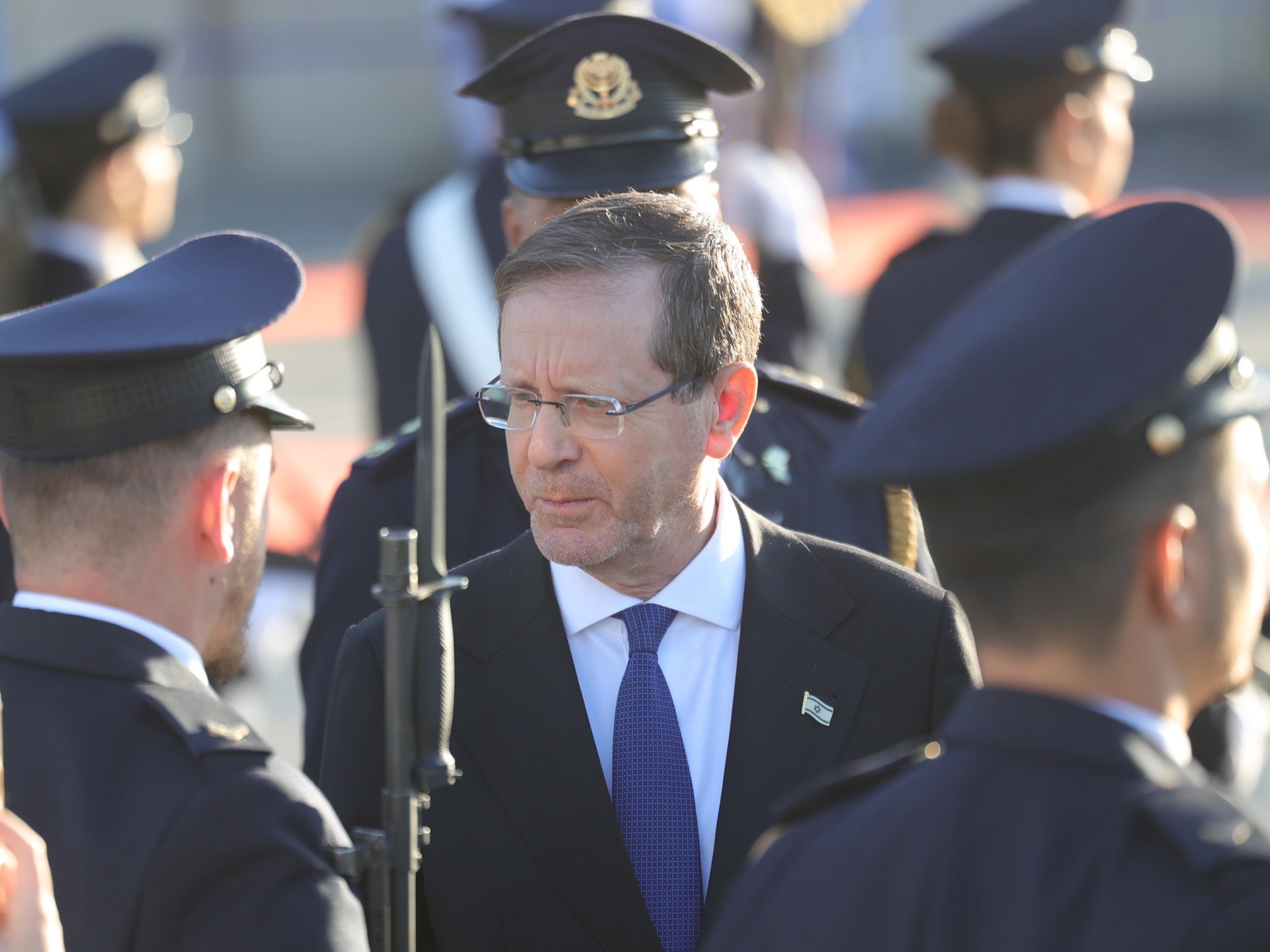
Israeli President Isaac Herzog has called for an independent inquiry into the attacks by Hamas on October 7 during a speech to open the new parliamentary session, following political deadlock after elections. The election results left Prime Minister Benjamin Netanyahu's bloc without a majority, and Herzog urged lawmakers to make concessions to avoid another round of elections. On Sunday, Herzog tasked opposition leader Gadi Eisenkot with forming the country's next government, giving him 28 days (with a possible 14-day extension) to cobble together a coalition. While also falling short of a parliamentary majority, Eisenkot and his allies aim to use their newfound legislative power to establish an independent inquiry into the October attacks. "I am committed in this complex situation to form a national emergency government as quickly as possible," said Eisenkot. Netanyahu has previously refused to form a commission to investigate the attacks, arguing that a panel appointed by the Israeli Supreme Court would be biased against the government. The speaker of the Knesset, a member of Netanyahu's Likud Party, will remain in the caretaker position until a new vote is held, with Yashar, Eisenkot's party, demanding a swift vote due to the political impasse.
Eisenkot has yet to strike deals with parties that could bring him to the 61-seat majority needed to form a government. If neither Eisenkot nor Netanyahu forms a coalition, another round of elections could follow. On Iran, Herzog expressed concern about Tehran's continued threats and plots, both directly and through its partners, and emphasized the need to fortify the alliance with the United States amid increasing disapproval of Israel among the US public due to recent conflicts. He also stressed the importance of strengthening peace agreements with neighboring countries, such as Egypt, Jordan, Morocco, the United Arab Emirates, and Bahrain.
Israeli President Isaac Herzog has urged lawmakers to launch an investigation into the attacks by Hamas on October 7 during a speech opening the new parliamentary session, following elections that left Prime Minister Benjamin Netanyahu's bloc without a majority. In his speech, Herzog called on party leaders to "make concessions" and do "everything possible to avoid a repeat election." On Sunday, Herzog tasked opposition leader Gadi Eisenkot with forming the country's next government, giving him 28 days (with a possible 14-day extension) to assemble a coalition. While also short of a parliamentary majority, Eisenkot and his allies aim to use their newfound legislative power to establish an independent inquiry into the October attacks.
The speaker of the Knesset, a member of Netanyahu's Likud Party, will remain in the caretaker position until a new vote is held, with Yashar, Eisenkot's party, demanding a swift vote due to the political impasse. Eisenkot has yet to strike deals with parties that could bring him to the 61-seat majority needed to form a government. If neither Eisenkot nor Netanyahu forms a coalition, another round of elections could follow. On Iran, Herzog expressed concern about Tehran's continued threats and plots, both directly and through its partners, and emphasized the need to fortify the alliance with the United States amid increasing disapproval of Israel among the US public due to recent conflicts. He also stressed the importance of strengthening peace agreements with neighboring countries, such as Egypt, Jordan, Morocco, the United Arab Emirates, and Bahrain.
Israeli President Isaac Herzog has called on lawmakers to "leave no stone unturned" and launch an investigation into the attacks by Hamas on October 7 during a speech opening the new parliamentary session, after the election left Prime Minister Benjamin Netanyahu's bloc without a majority. In his speech, Herzog urged party leaders to "make concessions" and do "everything possible to avoid a repeat election." On Sunday, Herzog tasked opposition leader Gadi Eisenkot with forming the country's next government, giving him 28 days (with a possible 14-day extension) to assemble a coalition. While also short of a parliamentary majority, Eisenkot and his allies aim to use their newfound legislative power to establish an independent inquiry into the October attacks.
The speaker of the Knesset, a member of Netanyahu's Likud Party, will remain in the caretaker position until a new vote is held, with Yashar, Eisenkot's party, demanding a swift vote due to the political impasse. If neither Eisenkot nor Netanyahu forms a coalition, another round of elections could follow. On Iran, Herzog expressed concern about Tehran's continued threats and plots, both directly and through its partners, and emphasized the need to fortify the alliance with the United States amid increasing disapproval of Israel among the US public due to recent conflicts. He also stressed the importance of strengthening peace agreements with neighboring countries, such as Egypt, Jordan, Morocco, the United Arab Emirates, and Bahrain.