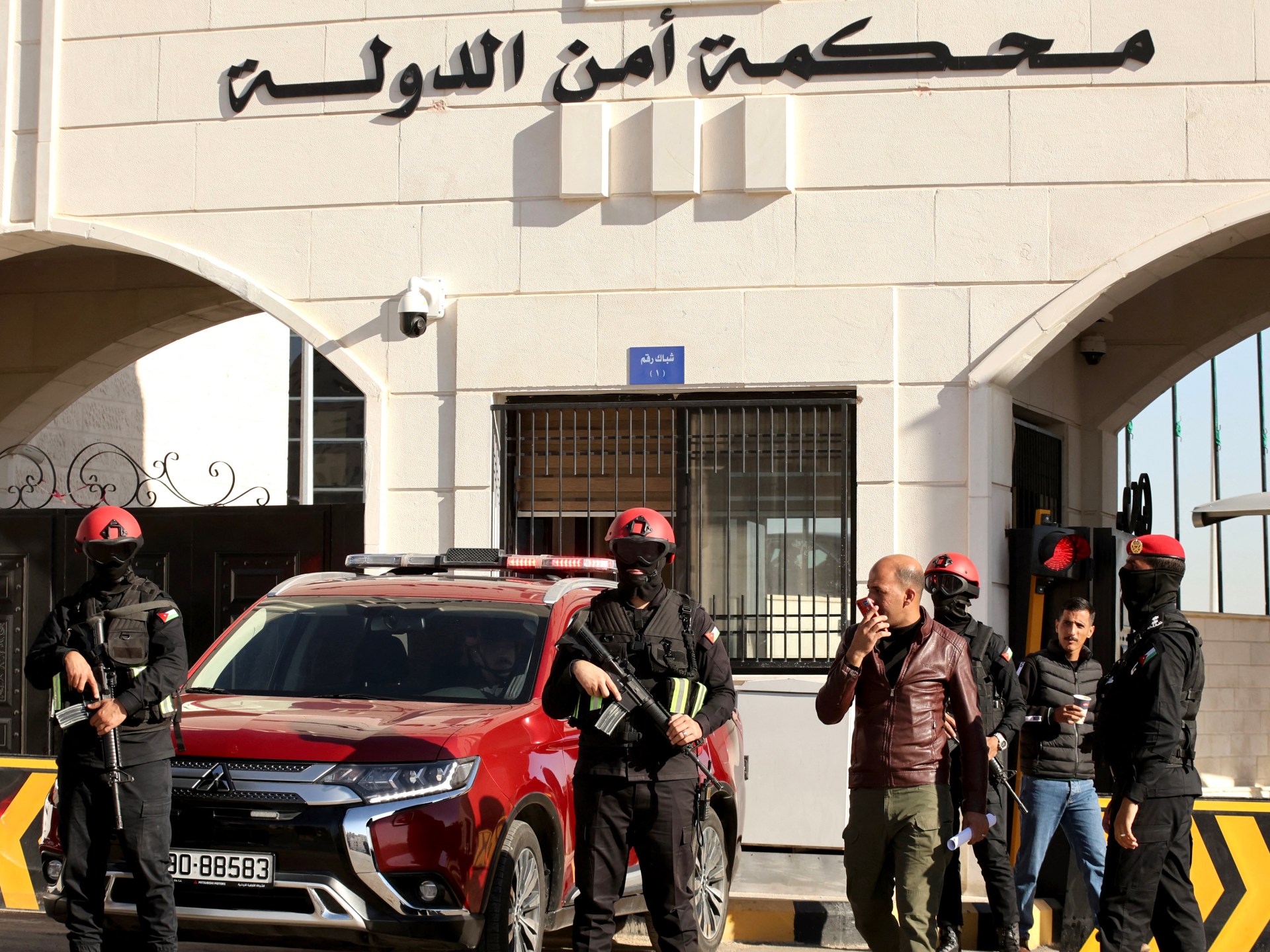
Authorities in both Jordan and Iraq have announced a ban on the popular messaging app, Telegram, citing national security reasons. The move by Jordan comes after an attack on a Greek Orthodox church last month that left nine people dead, prompting a security crackdown. The Public Security Directorate (PSD) stated that the aim is to curb the dissemination of illegal content and extremist material. Meanwhile, in Iraq, the media and communications authority has accused Telegram of failing to address non-compliant content and adhere to Iraqi laws. The company has been given 30 days to comply or face unspecified consequences. It's worth noting that both countries previously blocked the app due to similar concerns. Founded by Russian entrepreneur Pavel Durov in 2013, Telegram is believed to be used by armed groups such as ISIL. The region of Middle East and North Africa accounts for about 8% of global users of the app.
In Jordan, the church shooting in the village of Hammoud led to air strikes on neighbouring Syria, allegedly killing more than 20 members of the ISIL armed group linked to the attack. The incident also resulted in a "terrorist attack" in Amman this month that left one security officer dead and another wounded. Telegram has yet to comment on the latest developments. Durov, who is believed to be living in exile in Dubai, faces investigations in several countries, including Russia, which issued an arrest warrant for him in July, accusing him of aiding "terrorism."
In Iraq, the media and communications authority stated that the blockage was intended to compel Telegram to review Iraqi content and take measures to prevent violations. The company's failure to address non-compliant content published on the platform allegedly goes against Iraqi laws. It remains unclear what actions will be taken after the 30-day grace period if the company fails to comply. Iraq previously blocked the app in 2023 due to similar concerns over national security and the handling of users' personal data.
The ban on Telegram in Jordan and Iraq highlights growing global concerns about the use of messaging apps by extremist groups. The region of Middle East and North Africa is a significant user base for Telegram, but the app's popularity may be affected by such bans. It's uncertain how Telegram will respond to these latest developments and whether they will lead to changes in the app's content policies.