Qatari Prime Minister to Meet Trump: Latest on US-Iran Diplomatic Efforts and Nuclear Talks
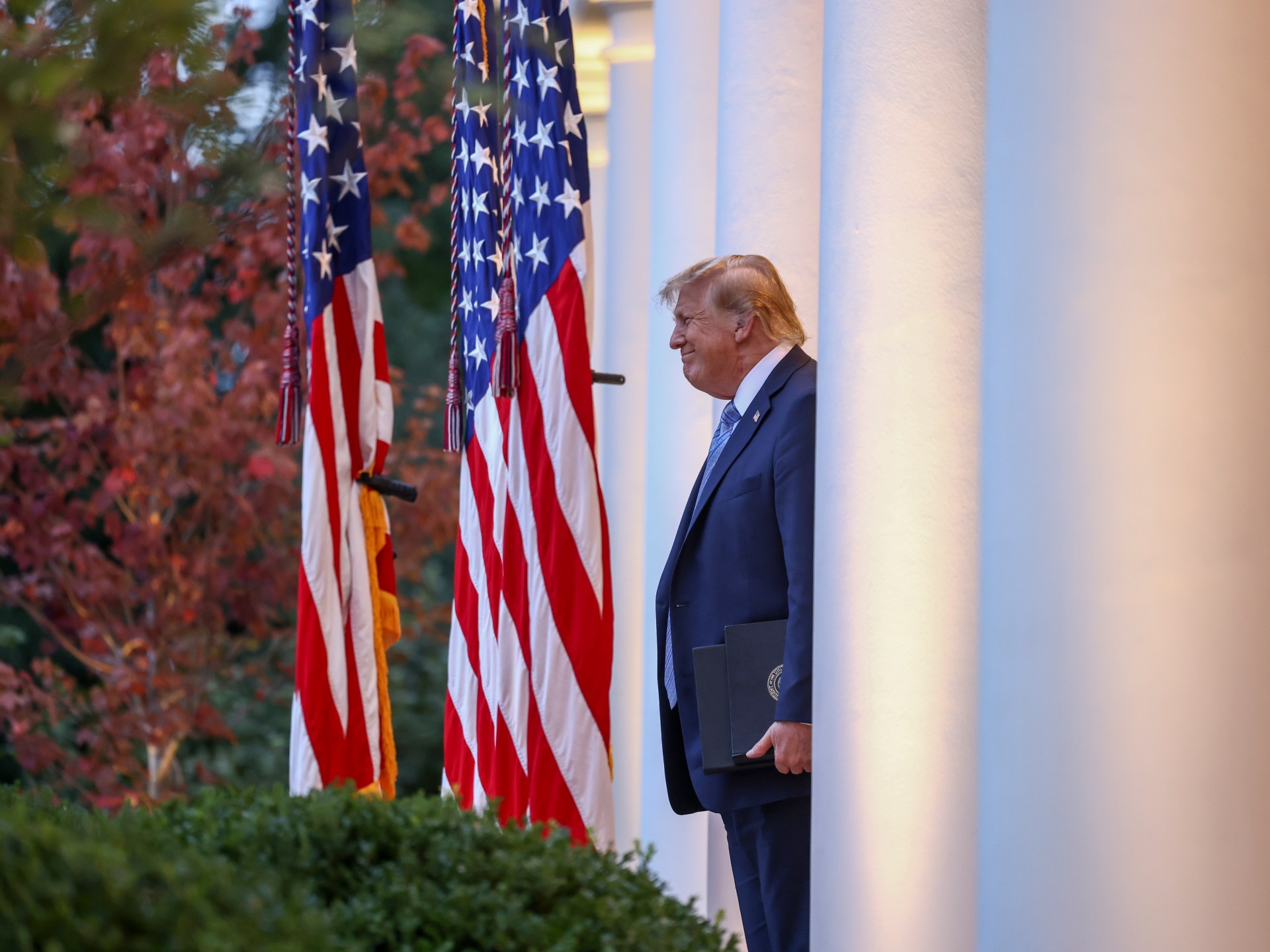
Qatar's Prime Minister, Sheikh Mohammed bin Abdulrahman bin Jassim Al Thani, is scheduled for a closed-door meeting with U.S. President Donald Trump at the White House on Monday.
More stories
Irish Deputy Prime Minister Calls for Dialogue on Border Poll Criteria with UK Government
The Irish deputy prime minister, Simon Harris, has proposed that a discussion between the British and Irish governments about the criteria for a border poll would be beneficial.
South Carolina Woman Denied Parole for Second Time: A Look at Her Crime and Conviction
In a hearing to determine the possibility of parole, Susan Smith, a 55-year-old woman from South Carolina, was denied release once again.
Somalia Expels UAE Ambassador, Citing Interference and Violation of Sovereignty
Somalia has taken a significant diplomatic step by ordering the United Arab Emirates (UAE) ambassador to depart within 72 hours and withdrawing its own envoy from Abu Dhabi.
South Korea's Ex-PM Han Duck-soo to Face Retrial over Martial Law Attempt
In a significant development, the lower Seoul High Court has decided to reopen the case of former South Korean Prime Minister Han Duck-soo, who was accused of attempting to impose martial law two years ago.
Dutch Church Offers Continuous Sanctuary to Asylum-Seeking Family
A family of six from Uzbekistan, who fear persecution, has been residing in a church in Kampen, the Netherlands for over two years to avoid deportation.
Impeachment Sidelined, Yet Hegseth Remains Under Scrutiny Over Defense Leadership
A week following the failed impeachment bid, Secretary of Defense Pete Hegseth continues to face mounting scrutiny over his tenure at the Pentagon.