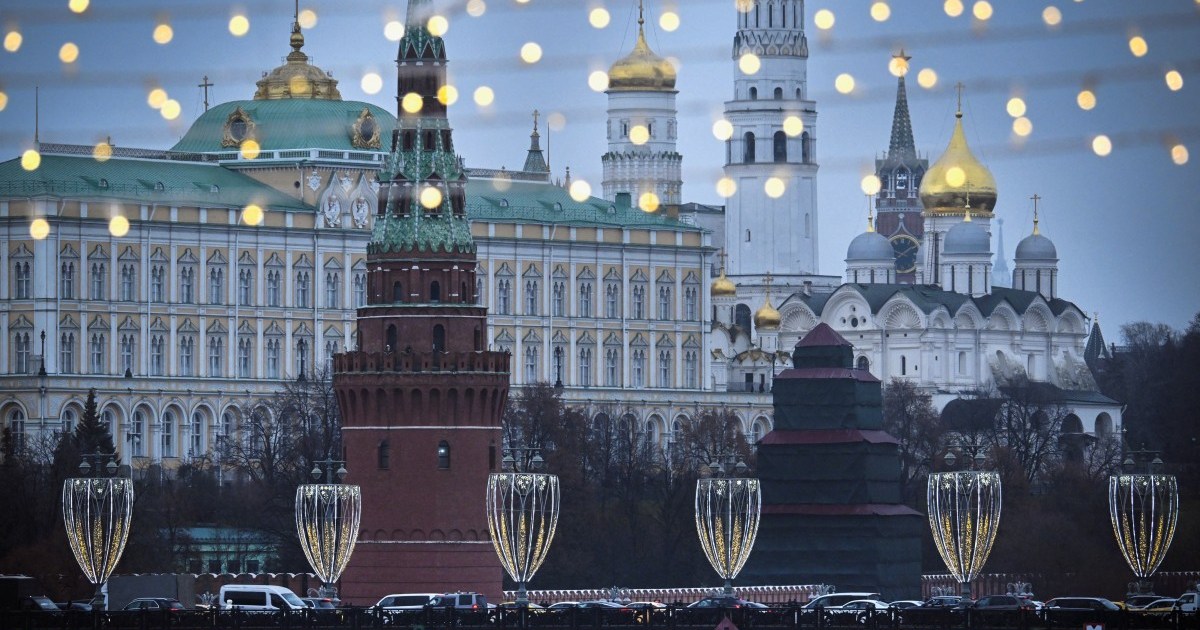
Tensions between Russia and Moldova have escalated following the expulsion of a Russian embassy employee and the recent downing of an alleged Russian drone in Moldovan territory. On October 23, Moldova declared a staff member of the Russian embassy in Chisinau persona non grata, claiming that debris of an unmanned aerial vehicle carrying explosives was discovered on its territory. In response to this action, Russia expelled a Moldovan diplomat on Tuesday, citing reciprocity as the reason for the move. The ministry stated that this decision was another unfriendly step in an already strained relationship between the two countries, aiming to further undermine the centuries-long history of Russian-Moldovan relations. The expulsion comes amidst heightened tensions in the Black Sea region, with some European-aligned states reporting renewed attacks allegedly carried out by Moscow, such as a drone strike that sank a cargo ship off Romania's Black Sea coast in October.
Furthermore, Moldova's President Maia Sandu previously accused a Russian attack drone of violating the country's airspace and crashing near homes and an energy facility last month. The expulsion of the Moldovan diplomat signals a deterioration in relations between Russia and Moldova, which has been compounded by Moldova's push to join the European Union. Last Sunday, Moldova officially launched a new power line connecting the country to neighboring Romania and the European grid, aiming to reduce its dependence on Russian energy. This move is part of a broader effort among European-aligned states in the Black Sea region to reduce their reliance on Russian resources and increase cooperation with the EU.
Lastly, it is important to note that both parties have accused each other of aggressive actions and violations of international law. The expulsion of diplomats and allegations of attacks serve as a reminder of the ongoing geopolitical tensions in the region and the potential for further escalation in the near future.
Relations between Russia and Moldova have taken a turn for the worse following the downing of an alleged Russian drone in Moldovan airspace and the subsequent expulsion of a Russian embassy employee by Moldovan authorities. In response to this action, Russia has expelled a Moldovan diplomat, citing reciprocity as the reason for the move. This decision comes amidst heightened tensions in the Black Sea region, with some European-aligned states reporting renewed attacks allegedly carried out by Moscow. The expulsion of diplomats and allegations of attacks serve as a reminder of the ongoing geopolitical tensions in the region and the potential for further escalation in the near future.
Moldova declared a staff member of the Russian embassy persona non grata on October 23, claiming that debris of an unmanned aerial vehicle carrying explosives was discovered on its territory. Moldova's President Maia Sandu previously accused a Russian attack drone of violating the country's airspace and crashing near homes and an energy facility last month. The expulsion of the Moldovan diplomat signals a deterioration in relations between Russia and Moldova, which has been compounded by Moldova's push to join the European Union. Last Sunday, Moldova officially launched a new power line connecting the country to neighboring Romania and the European grid, aiming to reduce its dependence on Russian energy. This move is part of a broader effort among European-aligned states in the Black Sea region to reduce their reliance on Russian resources and increase cooperation with the EU.
It is important to note that both parties have accused each other of aggressive actions and violations of international law. The expulsion of diplomats and allegations of attacks serve as a reminder of the ongoing geopolitical tensions in the region and the potential for further escalation in the near future.
Relations between Russia and Moldova have been strained since the downing of an alleged Russian drone in Moldovan airspace last month. In response to this incident, Moldova expelled a staff member of the Russian embassy in Chisinau on October 23, citing the discovery of debris of an unmanned aerial vehicle carrying explosives on its territory as the reason for the move. Russia has now reciprocated by expelling a Moldovan diplomat, with the ministry stating that this decision was another unfriendly step in an already strained relationship between the two countries. The expulsion comes amidst heightened tensions in the Black Sea region, with some European-aligned states reporting renewed attacks allegedly carried out by Moscow.
The downing of the drone and subsequent diplomatic expulsions serve as a reminder of the ongoing geopolitical tensions in the region and the potential for further escalation in the near future. The Moldovan President, Maia Sandu, previously accused a Russian attack drone of violating the country's airspace and crashing near homes and an energy facility last month. This incident comes at a time when relations between Russia and Moldova have hit an all-time low, compounded by the push by some former Soviet states to join the European Union.
Last Sunday, Moldova officially launched a new power line connecting the country to neighboring Romania and the European grid, aiming to reduce its dependence on Russian energy. This move is part of a broader effort among European-aligned states in the Black Sea region to reduce their reliance on Russian resources and increase cooperation with the EU. It remains to be seen how this latest development will impact the already strained relationship between Russia and Moldova moving forward.