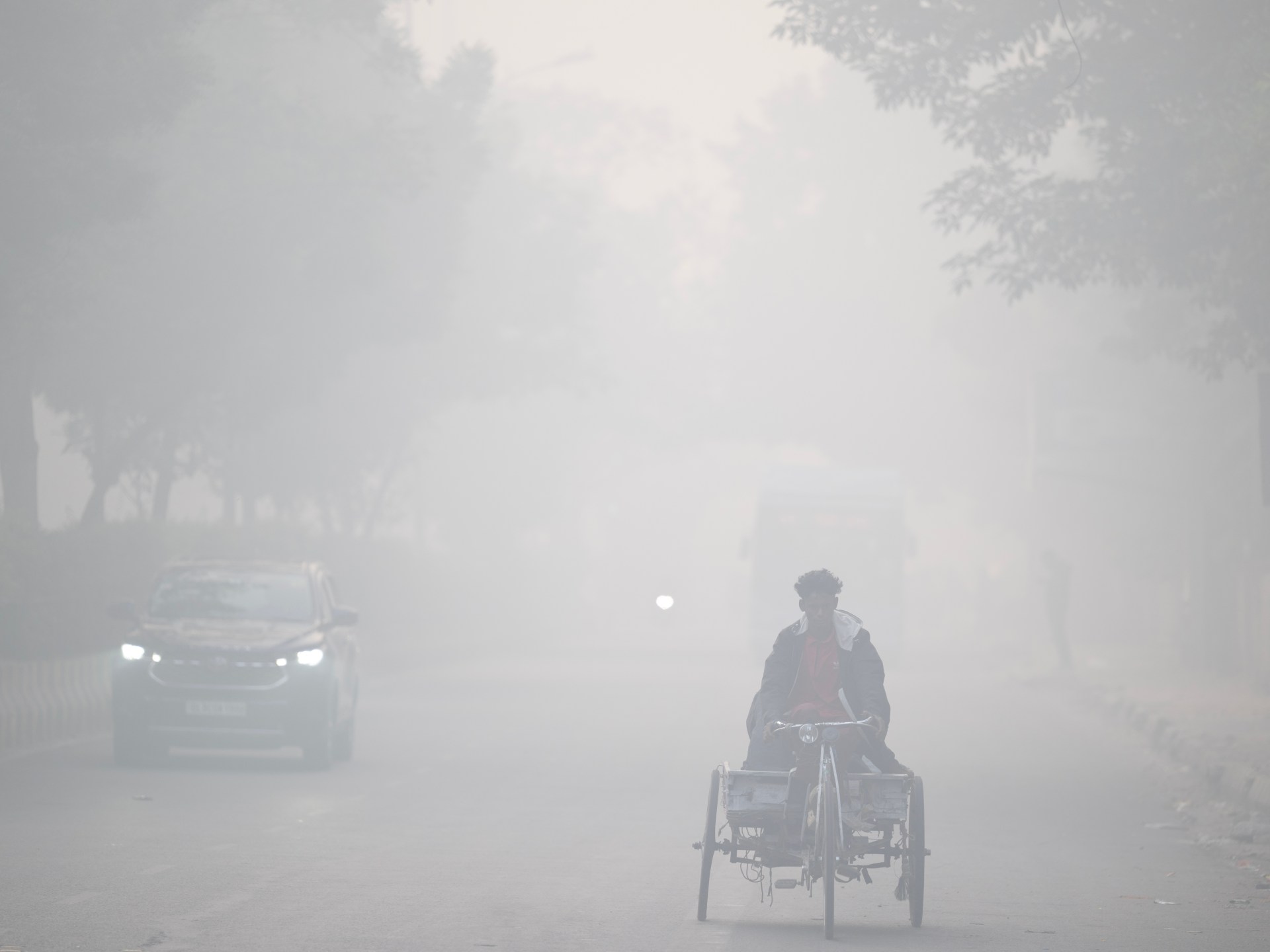
Severe Smog Engulfs New Delhi Amidst Diwali Fireworks, Exceeding WHO Safety Levels
The Indian capital, New Delhi, has been enveloped in heavy smog following Diwali celebrations, intensifying the seasonal air pollution crisis.
More stories
Grand Theft Auto 6 Highlights African Music and Talent in Latest Release
A momentous milestone has been reached for the electronic music scene in South Africa as DJ Lag, a prominent figure in the industry, finds his work featured in Grand Theft Auto 6 (GTA 6).
India's religious make-up - what a new Pew study says about Hindus and MuslimsIndia will remain predominantly Hindu, though its Muslim population is projected to grow faster, according to a new survey
According to a new survey by the Pew Research Center, India's religious composition is projected to change gradually over the next five decades, with Hindus remaining the majority but their share decreasing from 79% in…
Voyager 1 Breaks New Ground: Reaches One Light-Year Mark on Its 50th Anniversary
Fifty years after its launch in 1977, NASA's Voyager 1 probe has reached a historic milestone, traveling one light-day from Earth.
Higher Fertility Rates Drive Islamic Population Growth, Says Pew Research Report
According to a new report by the Pew Research Center, Islam is on track to become the world's largest religion by 2035, surpassing Christianity.
Cincinnati Zoo's Beloved Hippo Fiona Undergoes Emergency Care After Swallowing a Hat
The beloved hippopotamus at the Cincinnati Zoo, named Fiona, is currently receiving emergency medical attention after accidentally ingesting a knit hat.
Cork City Murder: Two Arrested After Teenager's Death Following Assault
A tragic incident has unfolded in Cork City, Republic of Ireland, where a man in his late teens lost his life after sustaining critical injuries during an assault.