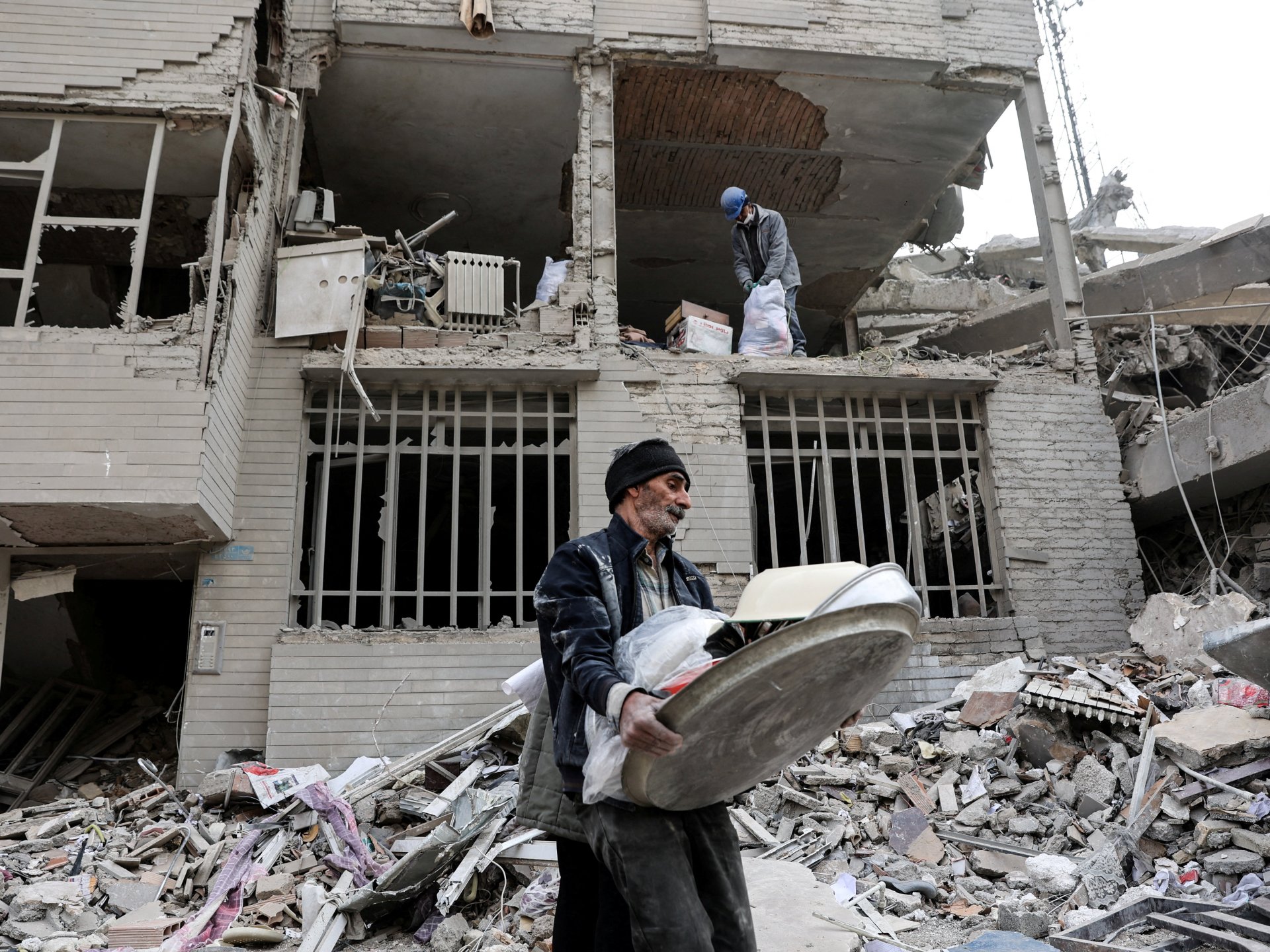
A renewed push towards peace is building momentum as diplomatic efforts to resolve the longstanding conflict between the United States and Iran gather pace. In a significant development, U.S. President Donald Trump and Qatar's Prime Minister Sheikh Mohammed bin Abdulrahman bin Jassim Al Thani held positive closed-door talks at the White House, with Trump indicating that the war is "effectively" over. However, both sides have continued to assert their military readiness amid talks of peace, as Iran faces attacks and the U.S. stands ready for action. The recent crushing Republican defeat in the U.S. midterm elections is believed to be injecting new life into stalled diplomatic talks, with analysts suggesting that the political cost of escalation has dramatically increased. The Democratic Party's firm control of Congress is seen as a strong opposition to war, and the incoming House Minority Leader Hakeem Jeffries has stated that the Democratic Party will "end the war in Iran one way or the other." Furthermore, Trump's main ally in the conflict, Israeli Prime Minister Benjamin Netanyahu, faces an uncertain political future after the October 27 general election. Qatar's intensive mediation between Washington and Tehran is also creating a diplomatic pathway out of the conflict, offering renewed hopes for peace. Oil prices have fallen sharply amid these renewed hopes for diplomatic talks, potentially easing inflation concerns and leading to a sustained reduction in energy costs and consumer prices. However, a diplomatic breakthrough is not guaranteed, with Trump ultimately having to decide whether to accept a negotiated end to the war or prolong a conflict with diminishing political support.
Qatar's intensive mediation efforts are playing a crucial role in creating a diplomatic pathway out of the longstanding conflict between the United States and Iran. High-level engagement with both Washington and Tehran by Qatari officials is offering renewed hopes for peace, as oil prices have fallen sharply amid these renewed hopes. Qatar's efforts come at a time when the U.S. midterm elections have injected new life into stalled diplomatic talks between the two nations, with the Democratic Party's firm control of Congress seen as a strong opposition to war. The incoming House Minority Leader Hakeem Jeffries has stated that the Democratic Party will "end the war in Iran one way or the other." Qatar's mediation efforts could potentially lead to a diplomatic breakthrough, resulting in a sustained reduction in energy costs and consumer prices. However, a diplomatic breakthrough is not guaranteed, with Trump ultimately having to decide whether to accept a negotiated end to the war or prolong a conflict with diminishing political support.
The recent October 27 general election in Israel has left Israeli Prime Minister Benjamin Netanyahu facing an uncertain political future. His rival Gadi Eisenkot was tasked on Saturday with forming a new government coalition that can survive the opposition of the right-wing bloc led by Netanyahu. This development could potentially weaken Netanyahu's influence in the U.S.-Iran conflict, as he is Trump's main ally in the war. The crushing Republican defeat in the U.S. midterm elections earlier this month is believed to be injecting new life into stalled diplomatic talks between Washington and Tehran, with analysts suggesting that the political cost of escalation has dramatically increased. The Democratic Party's firm control of Congress is seen as a strong opposition to war, and the incoming House Minority Leader Hakeem Jeffries has stated that the Democratic Party will "end the war in Iran one way or the other." This could potentially lead to a diplomatic breakthrough, resulting in a sustained reduction in energy costs and consumer prices. However, a diplomatic breakthrough is not guaranteed, with Trump ultimately having to decide whether to accept a negotiated end to the war or prolong a conflict with diminishing political support.