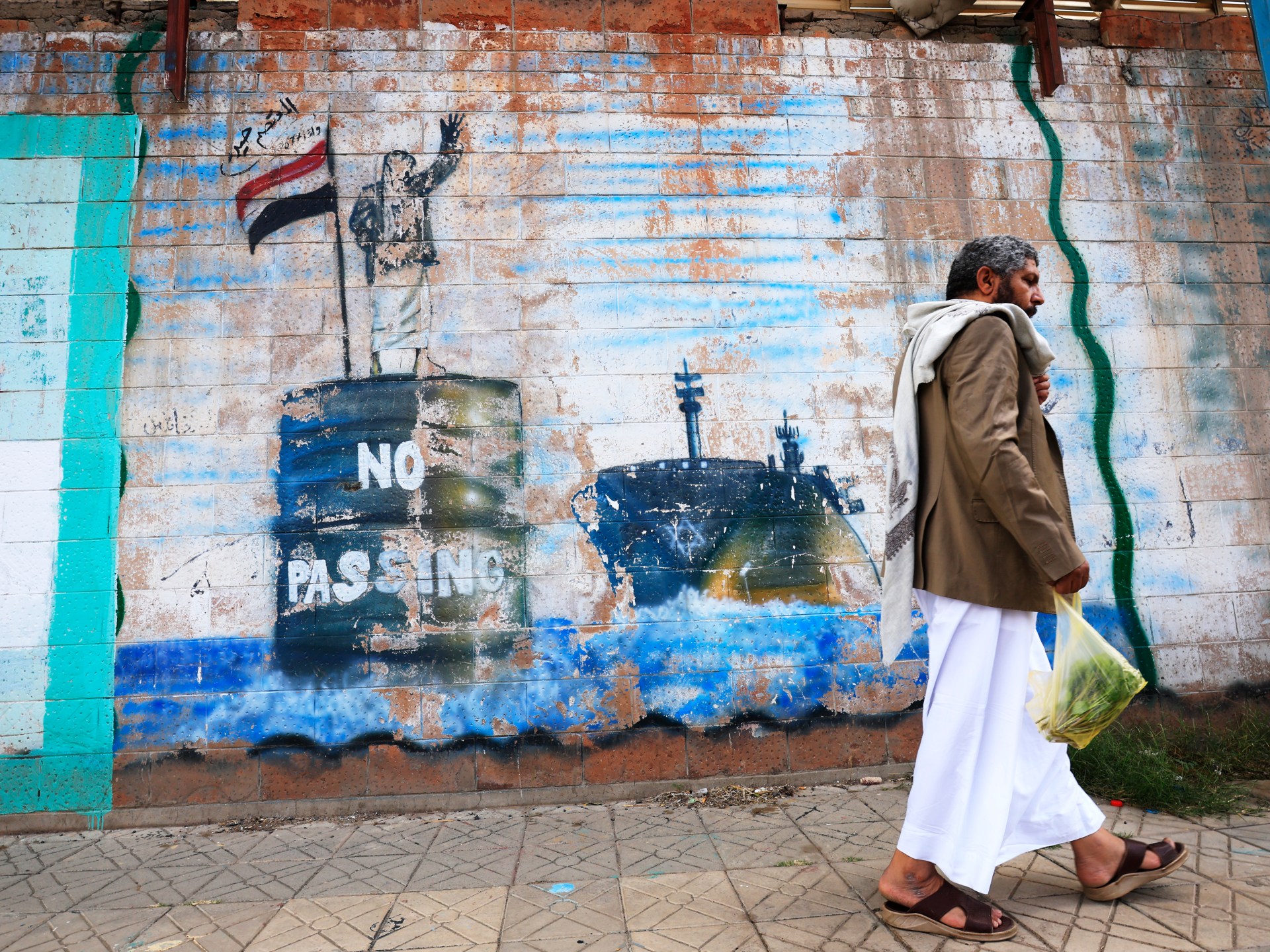
The United States Embassy in Yemen has disputed allegations by the Houthi rebels that a Saudi-led blockade is restricting access to Yemen. In a video statement released via its official Instagram account, Khaled Wolfsberg, spokesperson for the US Embassy, argued that goods are still being delivered to areas under Houthi control in Yemen. The Houthis, an armed group known as Ansar Allah, captured Sanaa, the capital, in September 2014 and have since seized large parts of western and northern Yemen. The US Embassy presented operational data showing that 272 commercial ships successfully unloaded their cargo at Hodeidah, as-Salif, and Ras Isa - all ports under Houthi control - between January and September 2026. This contradicts the Houthis' narrative that Saudi Arabia and its allies have enacted a full-scale siege of Yemen's Red Sea ports, preventing aid from reaching civilians. The UN Verification and Inspection Mechanism for Yemen has also regularly cleared vessels to sail to these Houthi-controlled ports throughout 2026.
However, the United Nations has warned that recent fighting has worsened the humanitarian situation in Yemen, including in Taiz, a city under government control but fully surrounded by the Houthis. The US Embassy's video accused the Houthis of blocking food and fuel from reaching hospitals and water stations in Taiz, describing the conditions faced by its residents as a genuine siege. The embassy shifted blame for localised shortages onto the Houthi forces encircling the area, stating that "the only real blockade is the one cruelly imposed by the militia on Taiz by preventing the entry of food and essential supplies for citizens."
In a video statement, Khaled Wolfsberg, spokesperson for the United States Embassy in Yemen, disputed allegations by the Houthi rebels that a Saudi-led blockade is restricting access to Yemen. The Houthis, an armed group also known as Ansar Allah, have seized large parts of western and northern Yemen since capturing Sanaa, the capital, in September 2014. According to Wolfsberg, operational data shows that 272 commercial ships successfully unloaded their cargo at Hodeidah, as-Salif, and Ras Isa - all ports under Houthi control - between January and September 2026. This contradicts the Houthis' narrative that Saudi Arabia and its allies have enacted a full-scale siege of Yemen's Red Sea ports, preventing aid from reaching civilians. The UN Verification and Inspection Mechanism for Yemen has also regularly cleared vessels to sail to these Houthi-controlled ports throughout 2026.
Despite this, the United Nations has warned that recent fighting has worsened the humanitarian situation in Yemen, including in Taiz, a city under government control but fully surrounded by the Houthis. The US Embassy's video accused the Houthis of blocking food and fuel from reaching hospitals and water stations in Taiz, describing the conditions faced by its residents as a genuine siege. The embassy shifted blame for localised shortages onto the Houthi forces encircling the area, stating that "the only real blockade is the one cruelly imposed by the militia on Taiz by preventing the entry of food and essential supplies for citizens."
In a video statement, Khaled Wolfsberg, spokesperson for the United States Embassy in Yemen, countered allegations by the Houthi rebels that a Saudi-led blockade is restricting access to Yemen. The Houthis have seized large parts of western and northern Yemen since capturing Sanaa, the capital, in September 2014. According to Wolfsberg, operational data shows that 272 commercial ships successfully unloaded their cargo at Hodeidah, as-Salif, and Ras Isa - all ports under Houthi control - between January and September 2026. This contradicts the Houthis' narrative that Saudi Arabia and its allies have enacted a full-scale siege of Yemen's Red Sea ports, preventing aid from reaching civilians. The UN Verification and Inspection Mechanism for Yemen has also regularly cleared vessels to sail to these Houthi-controlled ports throughout 2026.
However, the United Nations has warned that recent fighting has worsened the humanitarian situation in Yemen, including in Taiz, a city under government control but fully surrounded by the Houthis. The US Embassy's video accused the Houthis of blocking food and fuel from reaching hospitals and water stations in Taiz, describing the conditions faced by its residents as a genuine siege. The embassy shifted blame for localised shortages onto the Houthi forces encircling the area, stating that "the only real blockade is the one cruelly imposed by the militia on Taiz by preventing the entry of food and essential supplies for citizens."