Following the Democratic party's recent takeover of Congress, there are plans to investigate President Trump's dealings with Venezuela's oil revenue. The United States administration has been controlling Venezuelan oil exports since January 3, collecting the proceeds in an account supervised exclusively by the US Treasury. A recently released State Department report revealed that over $12 billion has passed through this account since the start of the year, but critics argue that the report lacks crucial details regarding the origin and destination of the funds. Tyson Slocum, director of the energy program at Public Citizen, expressed concern about the "zero transparency" surrounding the financial engineering associated with the oil transactions.
Concerns about Trump's management of Venezuela's oil sector escalated towards the end of last year when his government began seizing oil tankers leaving Venezuela, claiming the confiscated fuel as compensation for losses incurred due to Venezuela nationalizing its oil industry decades ago. Legal experts question the legality of such actions, citing a 1962 United Nations resolution that grants nations "permanent sovereignty" over their natural resources. Supporters of Trump's actions argue that they are necessary given Maduro's history of violent repression and anti-democratic actions in Venezuela.
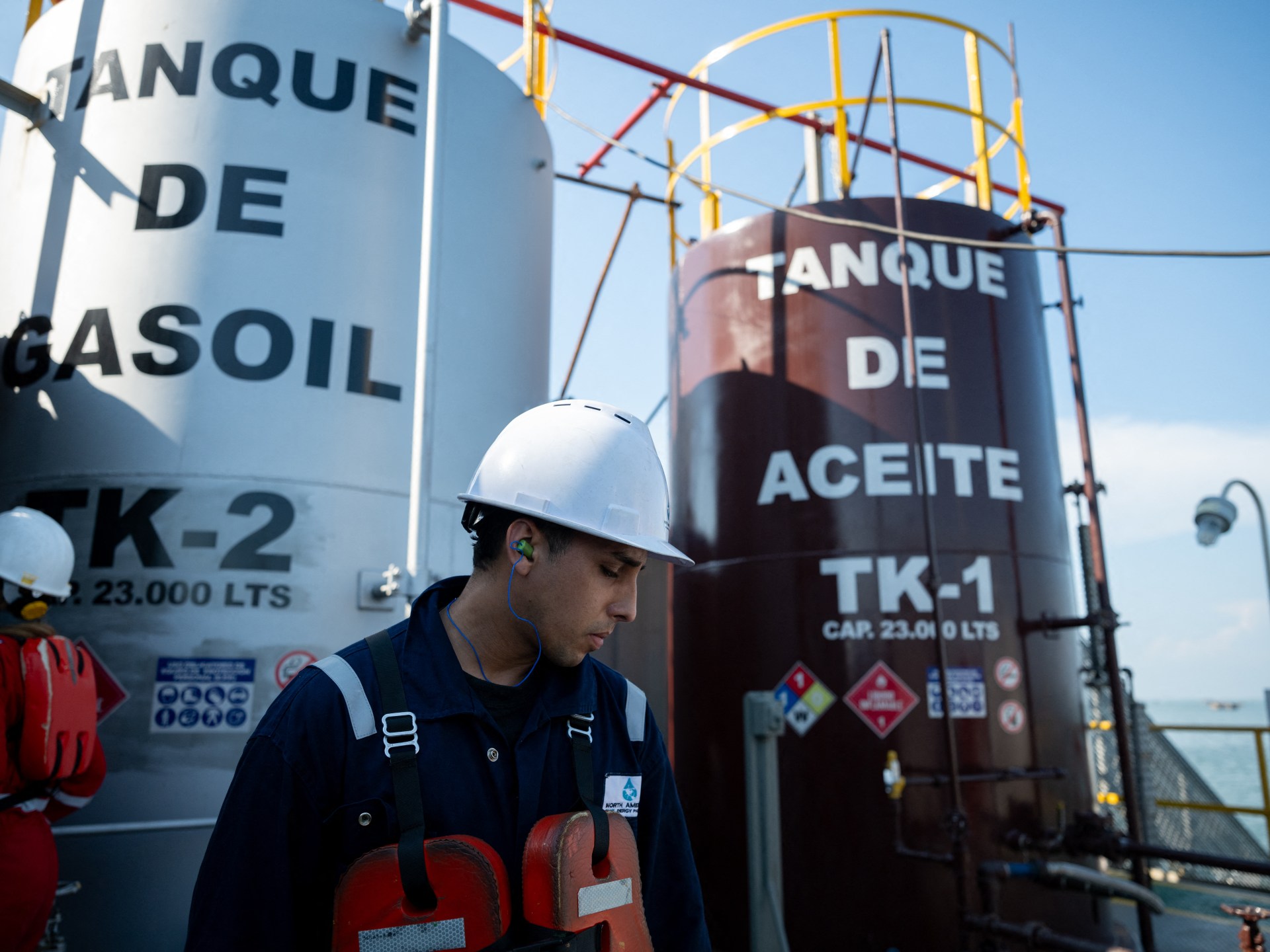
Recent maneuvers have raised speculation about the Trump administration's commitment to transparency in managing Venezuelan oil. For instance, in late August, Trump announced his government would have a direct stake in extracting nearly a fifth of Venezuela’s oil. The US gained "majority control" in a 100-year deal for 17 Venezuelan oilfields, with proven reserves of 65 billion barrels. However, the company involved in operating these fields, North American Blue Energy Partners (NABEP), and its owner, Venezuelan businessman Alejandro Betancourt, have faced investigations in the US, Spain, and Switzerland over accusations of money laundering.
The focus on Venezuela's oil revenue has left some critics questioning whether Trump plans to address the human rights issues in the South American country. Trump has downplayed the importance of democratic elections in Venezuela, according to John Feeley, a former US ambassador and senior diplomat in Latin America. Feeley described the US-Venezuela relationship under Trump as "protectorate neocolonialism."