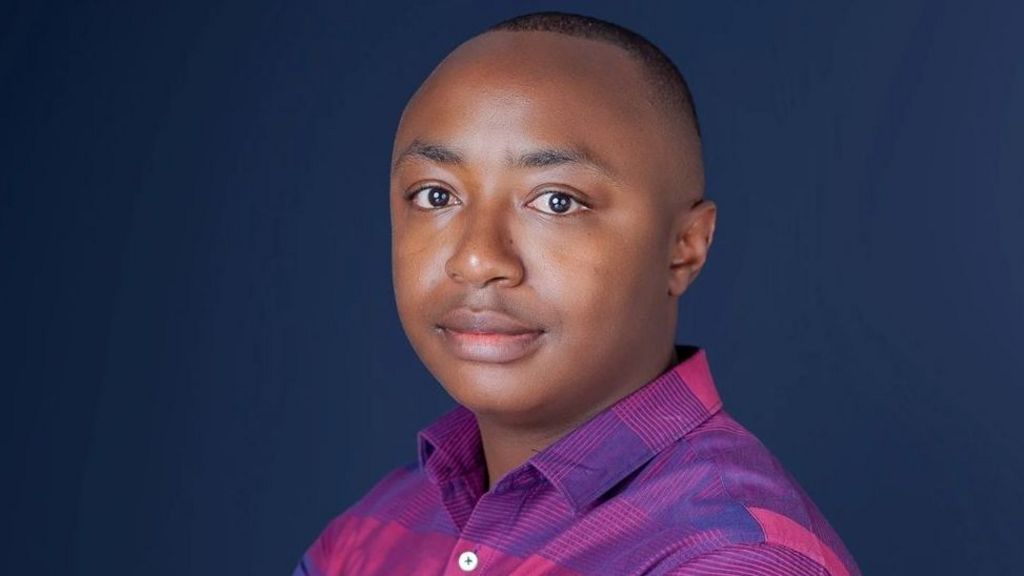
Following an internal investigation, the Caine Prize for African Writing has confirmed Zimbabwean author Simbarashe Kundizeza as the legitimate winner of this year's £10,000 award for his short story, "The Blue Fighter." The announcement comes after allegations were made in a US magazine that Kundizeza had used generative AI to write his winning piece. Ellah Wakatama, chair of the Caine Prize's board of trustees, stated in a video posted on X that their investigation found no evidence to support these claims, and that "The Blue Fighter was human written."
The accusations caused a stir on social media, with Kundizeza vehemently denying the allegation. The article by journalist Vauhini Vara had claimed that AI-detection software Pangram showed Kundizeza's work to be entirely AI generated. This claim followed similar controversies regarding other literary prizes this year, such as the Commonwealth Short Story Prize and France's top literary award, the Goncourt.
The Caine Prize organization conducted a thorough investigation into Vara's allegations, including interviews with Kundizeza, the 2026 judging panel, and the Shallow Tales Review where the story was first published. They also performed independent and expert-led metadata analysis of drafts written by Kundizeza. The analysis was conducted by an independent cyber security and digital forensic investigator.
Kundizeza had shared that his inspiration for "The Blue Fighter" came from a poem read by South African Vangile Gantsho at an event in Ghana last year about her father's obsession with building fish tanks. He had fictionalized details from his own life around 2002 when Zimbabwe's economic troubles began. The day after winning the prestigious Caine Prize award earlier in October, Kundizeza spoke about his inspiration and the controversy surrounding his win.
For more news from the African continent, visit our website, follow us on Twitter, on Facebook or on Instagram.