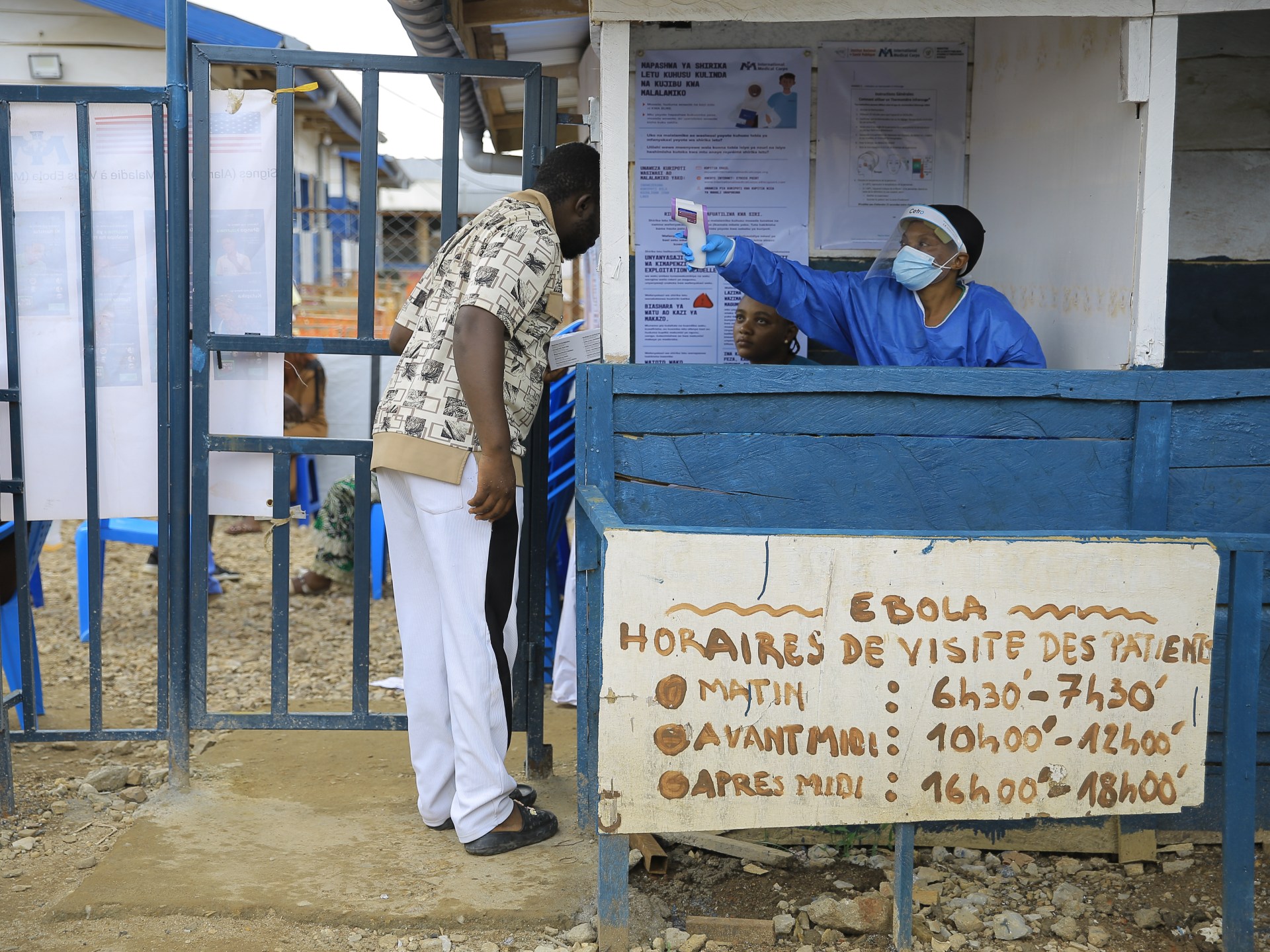
The Democratic Republic of the Congo (DRC) has seen its largest Ebola outbreak surpass a distressing milestone, as confirmed cases reach 11,042, according to official data released on Tuesday. This outbreak, caused by the rare Bundibugyo strain of the Ebola virus, has resulted in at least 5,387 deaths. The ongoing crisis is the second-largest and second-deadliest Ebola outbreak ever recorded, surpassed only by the 2014-2016 West African epidemic that infected over 28,600 people and caused more than 11,000 deaths. The outbreak has affected eight of DRC's 26 provinces, with many fatalities occurring outside treatment centers. Delayed detection, ongoing conflict, and strained health services have contributed to a faster spread of the virus compared to previous outbreaks. Containment efforts have been particularly challenging due to the absence of a vaccine or specific treatment for the Bundibugyo strain, which claims about half of those it infects. In an effort to combat this, the World Health Organization (WHO) recently approved clinical trials for two new Ebola vaccines and expects results in early 2027. Cases have now been reported in East, Central, and West Africa, marking the widest geographic spread of any Ebola outbreak on the continent to date.
In an attempt to control the outbreak, health authorities in DRC continue their efforts to contain the virus despite these challenges. The WHO's approval of clinical trials for new vaccines offers a glimmer of hope for containing this deadly outbreak and potentially saving lives in the future.
The Ebola outbreak in DRC has been ongoing since August 2018, making it one of the longest-running Ebola outbreaks on record. The rare Bundibugyo strain of the virus is responsible for the current crisis, which has affected multiple provinces within the country and spread to neighboring regions.
The ongoing conflict in the DRC, as well as strained health services, have hindered efforts to control the outbreak. Delayed detection has also contributed to the rapid spread of the virus, leading to a higher number of cases and fatalities compared to previous Ebola outbreaks. The absence of a vaccine or specific treatment for the Bundibugyo strain further complicates containment efforts, making it imperative that health authorities work diligently to control the outbreak.
The approval of clinical trials for two new Ebola vaccines by the WHO offers a potential solution to the ongoing crisis. These trials, expected to produce results in early 2027, could lead to the development of an effective vaccine for the Bundibugyo strain and ultimately help control the current outbreak. The geographic spread of the virus, however, presents additional challenges, as cases have now been reported in East, Central, and West Africa. This widest geographic spread on record highlights the need for continued international cooperation and support to combat this deadly disease.