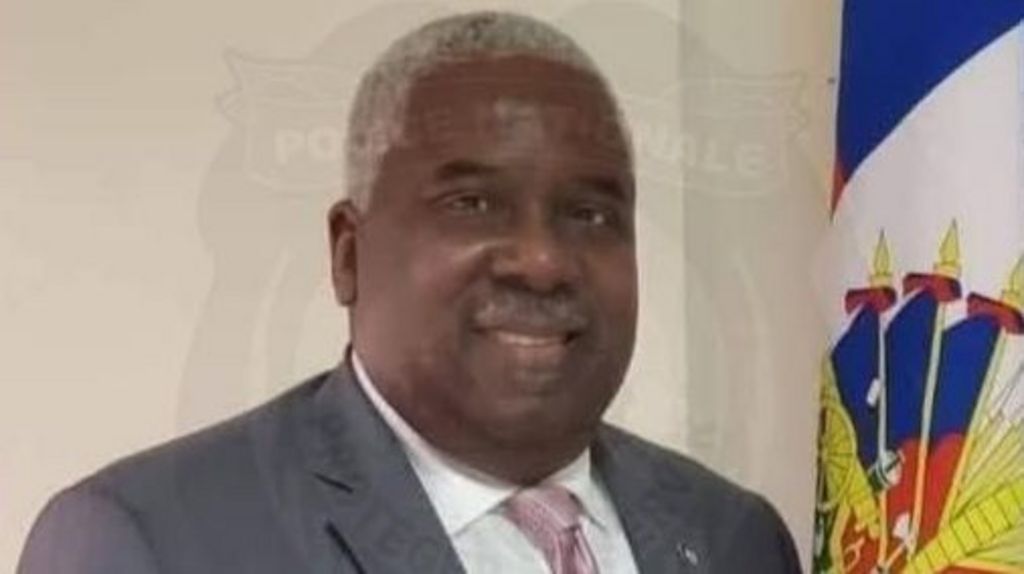
A Florida pastor, Christian Emmanuel Sanon, has been found guilty of charges related to the assassination of Haitian President Jovenel Moïse. The verdict was announced on Wednesday following an eight-week trial in federal court in Miami. The 67-year-old dual US-Haitian national was accused of conspiring to kill or kidnap Moïse and faces a potential sentence of life in prison. The alleged plot, which took place in April 2021, involved Sanon's attempt to replace Moïse as Haiti's president and award lucrative contracts to a Florida-based security firm. The murder of Moïse has left Haiti without a leader for five years, resulting in an intensification of gang violence in the impoverished Caribbean nation. A presidential election is scheduled for next year, with Martine Moïse, the slain president's wife, announcing her intention to stand as a candidate this week. The assassination plot involved several other co-conspirators, including the heads of the companies Counter Terrorist Unit Federal Academy and Counter Terrorist Unit Security (CTU), who allegedly financed the coup in exchange for government contracts for infrastructure projects and security forces. However, it was later discovered that Sanon lacked the constitutional qualifications and popular support to become Haiti's president, leading conspirators to shift their focus to another candidate. The successful assassination plot has raised questions about the ease with which mercenaries were able to gain access to the president, and the country, the poorest in the Americas, has been ravaged by gang violence for years. Sanon and several other co-conspirators were arrested by Haitian authorities, while three mercenaries were killed in a gun battle with police. Eighteen people were transferred to Florida in September to stand trial over the plot, with four men, including the heads of the CTU, being convicted of their role earlier this year.
In addition to Sanon's conviction, several other co-conspirators are facing charges for their roles in the assassination plot. The successful assassination has led to a period of worsening instability in Haiti, with more than 5,700 people killed or injured in gang violence over the past year. The UN reported this number last month, highlighting the ongoing struggle of the multinational force to penetrate areas where gangs hold sway.
Sanon, who moved to the US as a teenager, told the court that he had worked in churches in Haitian immigrant communities in several parts of the US, including Florida. His lawyer has stated that Sanon maintains his innocence and plans to appeal against the verdict.
The trial and conviction of Christian Emmanuel Sanon provide a crucial step towards bringing justice for the assassination of Jovenel Moïse and holding those responsible accountable for their actions. However, the ongoing violence and instability in Haiti remain a pressing concern, highlighting the need for continued international support and intervention to bring peace and stability to the country.