In the bustling nation of India, a wave of artificial intelligence (AI) startups is rising to tackle unique challenges that have long plagued the country. One such challenge is the complex land records system, which Sanjay Mandava encountered firsthand when he traveled from Chicago to Chennai to resolve a personal property dispute. Frustrated by the drawn-out process and the need for numerous documents to prove ownership, Mandava founded Landeed, an AI-led digital platform that simplifies land record aggregation, verification, and legal checks for millions of users across 24 Indian states.
The traditional system in India, unlike in Western countries like the US or UK, relies on presumptive titling, where buyers must prove ownership rather than having it verified by the government. Mandava's platform uses geo-spatial technology and data from various sources to link registered properties with their official land identification numbers, streamlining the process and reducing the need for multiple documents. An additional AI layer enables rapid title verification and the detection of inconsistencies, significantly speeding up a time-consuming process that typically takes lawyers and brokers several days.
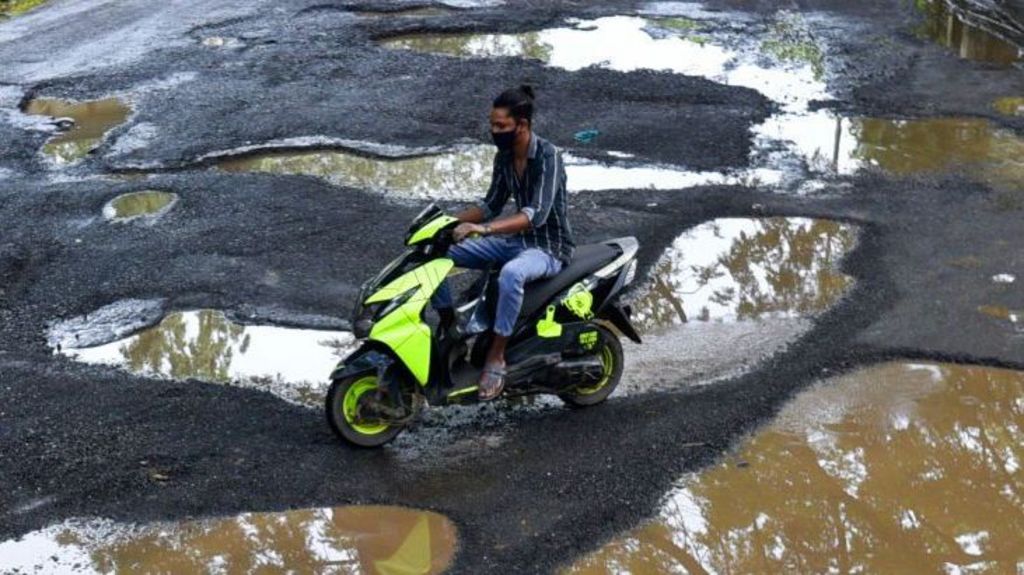
Beyond land records, Indian AI startups are making strides in sectors ranging from legal-tech to healthcare, infrastructure, education, and agriculture. Unlike their counterparts in the US and China, India's AI revolution is happening downstream in data center infrastructure and consumer applications rather than in research. Startups like Bengaluru-based Gaurav Sen's AI app are addressing issues as diverse as pothole detection and tribal language translation to support overworked public health professionals with medical tasks.
In Mumbai, Fractal Analytics has deployed its AI tool "Vaidya" in hospitals run by the local civic authority. The app provides AI-generated, simplified lab report summaries in multiple languages, helps citizens find nearby healthcare facilities based on their needs, and offers pre-consultation support to doctors with patient medical histories and medication details. It also provides hospital administrators with a public health dashboard based on aggregated, anonymous insights from lab reports accessed through its tie-up with municipal hospitals, offering crucial visibility into emerging infections or other disease trends.
This surge in AI startups has led to a significant increase in funding, according to Inc42, with over $1 billion raised in the first nine months of this year. However, these companies face an uphill task in commercializing their ideas and expanding beyond pilot projects. The high cost of building in India compared to what customers are willing to pay, as well as scarcity issues related to high-quality chips at the right scale and price, pose significant challenges for Indian AI founders.