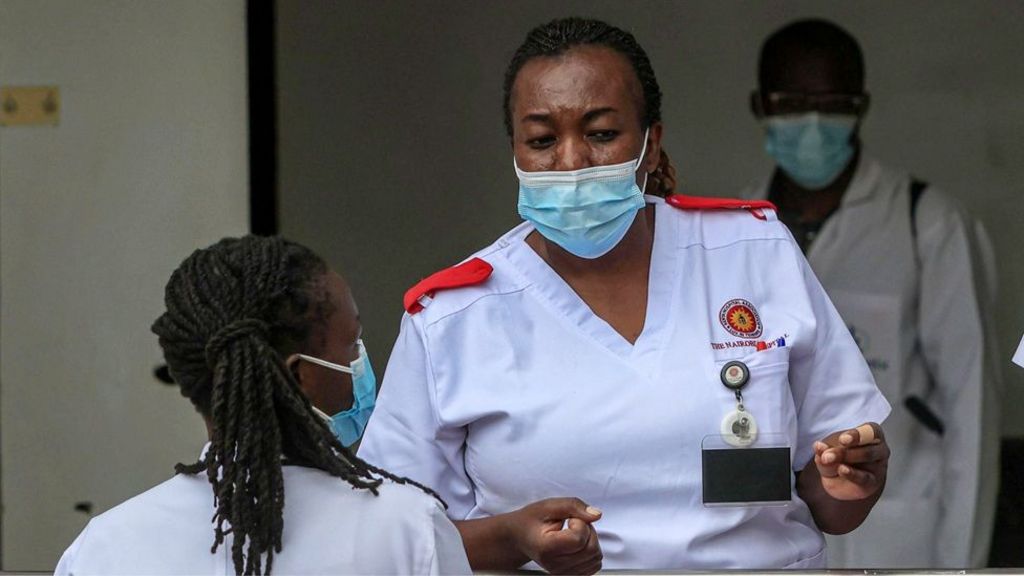
In a significant development, Kenya has discharged its last Ebola patient, marking a crucial milestone in the nation's fight against the deadly virus. The patient, who is among seven recoveries, completed their 42-day isolation period, initiating a countdown towards Kenya's official declaration as Ebola-free. The first case was reported in early October, after a Kenyan businessman died following his arrival in Nairobi from the Democratic Republic of Congo (DRC), where over 5,000 people have lost their lives to the ongoing outbreak that began in May. The health minister confirmed that all 135 identified contacts of infected patients had also completed their isolation period. Africa Centres for Disease Control and Prevention (Africa CDC) acknowledged this achievement as an important step in the regional response to the outbreak, urging vigilance until the outbreak is officially declared over. Kenya has reported no new confirmed cases since October 20th, with all cases linked to the man who had travelled from DRC via Uganda. No evidence of wider community transmission has been found, and those who have recovered include four healthcare workers. The World Health Organization (WHO) guidelines mandate a 42-day period without any new positive tests or safe burials before an outbreak can be declared over. Kenya's government will maintain heightened surveillance at border crossings, airports, health facilities, and communities throughout the countdown, with emergency response teams remaining on alert across the country. Travelers arriving from affected countries will continue to be monitored, and those returning from Ebola-affected areas are required to complete electronic health declarations, undergo screening upon arrival, and spend 21 days in quarantine under the supervision of health teams. The minister urged countries imposing travel and visa restrictions to reconsider them, asserting that Kenya has no intention of serving as a quarantine center for another country. In May, a Kenyan court suspended US plans to open an Ebola quarantine facility for American citizens, and the government maintains there is no need to restrict domestic travel, trade, or public gatherings. However, international travel has been disrupted due to restrictions imposed by some Gulf countries, causing concerns among those seeking employment in these regions. The UAE has recently announced that it will lift its suspension on issuing new visas to Ugandan nationals, with certain exceptions for students, diplomatic passport holders, and embassy employees.
SUMMARY (CONTINUED):
The outbreak in the DRC is caused by the Bundibugyo species of Ebola, which is relatively rare and does not have an approved vaccine or treatment, though trials are ongoing. The current outbreak began in May 2018 and has resulted in over 3,400 deaths as of February 2021. The DRC and neighboring countries have been working tirelessly to contain the spread of the virus, with Uganda declaring its own Ebola outbreak over on August 27th, 2019. The global community is closely monitoring the situation in Kenya and the DRC, providing support where necessary to ensure a swift end to this devastating outbreak.
SUMMARY (CONTINUED):
The World Health Organization (WHO) has been instrumental in coordinating the international response to the Ebola outbreak, providing technical guidance, mobilizing resources, and supporting affected countries in implementing effective strategies to contain the virus. The WHO is also working closely with the African Union's Africa Centres for Disease Control and Prevention (Africa CDC) to strengthen surveillance and response capacities across the continent. The global community remains hopeful that Kenya will soon achieve Ebola-free status, but vigilance and continued support are crucial in ensuring a swift end to this outbreak and preventing future ones.