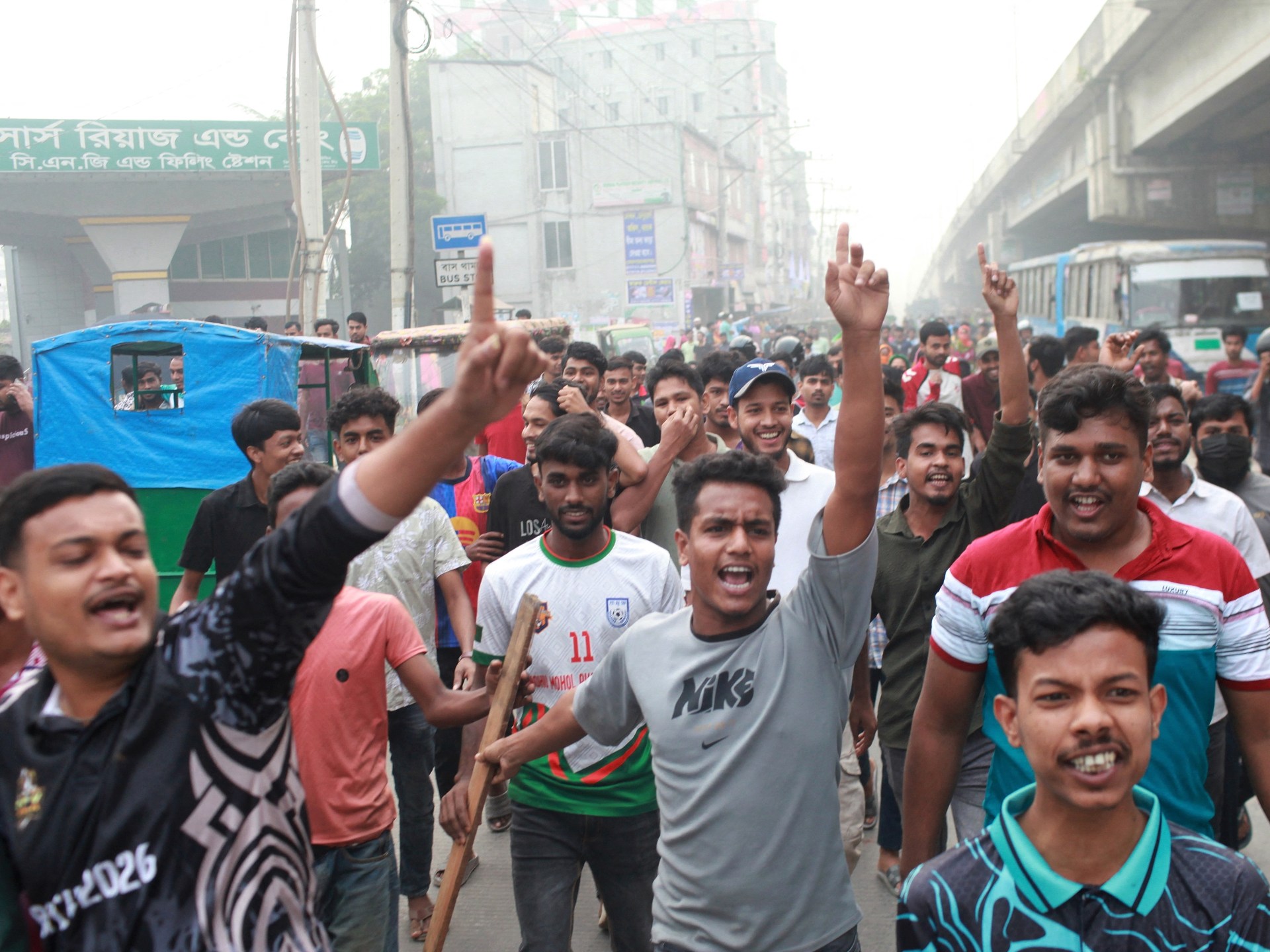
Thousands of garment workers in Bangladesh took to the streets on Tuesday, clashing with police and causing disruptions along the Dhaka-Mymensingh highway after a key wage board meeting was postponed. The protests were sparked by growing unrest over wages, which has been a contentious issue since last month, disrupting an industry that generates $38 billion annually and employs over four million people. The workers are demanding a minimum monthly wage of 30,000 taka ($240), a significant increase from the current 12,500 taka, as they struggle to cope with rising costs in food, housing, transport, and healthcare. According to reports, about 500 factories have already shut down due to this unrest, further fueling worker discontent. The wage board, consisting of employer and worker representatives, was set up by the government earlier this month to discuss a pay rise, with the new minimum wage scheduled to be announced in December and implemented in January next year. Workers are concerned that their demands may not be adequately addressed in the revised wage proposal. The Bangladesh Garment Manufacturers and Exporters Association (BGMEA) and the Bangladesh Knitwear Manufacturers and Exporters Association (BKMEA) have called for immediate resumption of negotiations. A scheduled meeting on Monday was postponed due to illness among the worker representatives, with the next meeting set for November 23. In response to the protests, the Border Guard Bangladesh (BGB) has increased patrols and deployed hundreds of personnel across the industrial zone, using surveillance technology such as drones and body-worn cameras to monitor demonstrations.
SUMMARY (Cont'd):
The garment industry in Bangladesh is a significant contributor to its economy, ranking as the world's second-biggest garment exporter after China. Major international brands like Fruit of the Loom and Levi Strauss source their products from factories in Bangladesh. However, the ongoing wage dispute has caused disruptions in the industry, with some factories already forced to close. Workers argue that the current wages are insufficient to cover their living expenses, prompting them to demand a significant increase. The delay in the wage board meeting and the subsequent protests have led to tensions between workers and authorities, with police using tear gas and stun grenades to disperse the protesters.
SUMMARY (Cont'd):
The government established the wage board earlier this month to negotiate a pay rise for garment workers in response to growing unrest over wages. The new minimum wage is set to be announced in December and implemented in January next year, but workers are concerned that their demands may not be adequately addressed in the revised proposal. The postponement of the meeting on Monday due to illness among worker representatives has added to the workers' fears that their concerns might not be properly considered. The BGMEA and BKMEA have called for immediate resumption of negotiations, but it remains to be seen whether a resolution can be reached before more factories are forced to close and tensions escalate further.