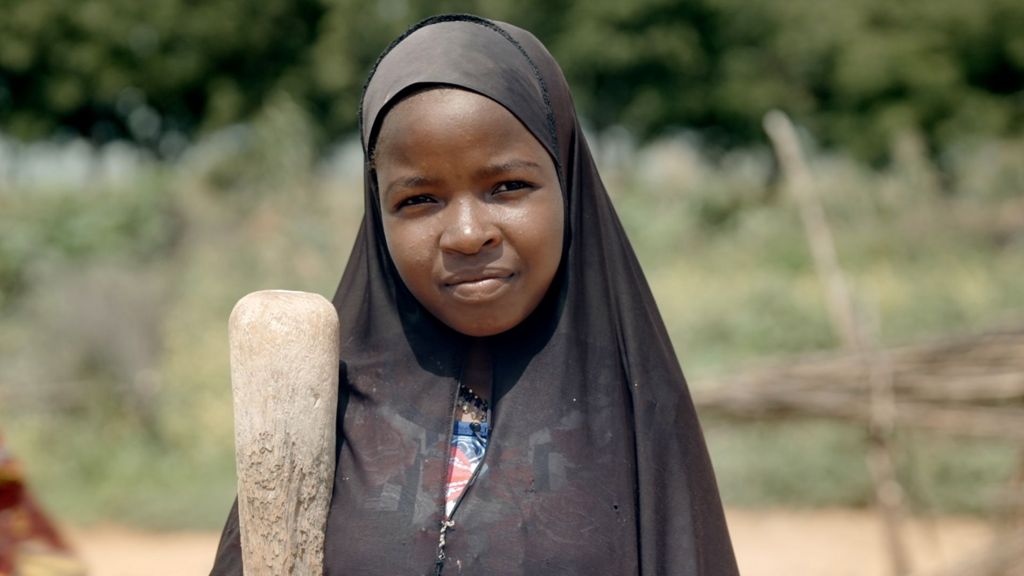
In a bid to provide education for millions of Nigerian children who are out of school due to factors such as kidnapping, child marriage, and poverty, the World Service has launched an educational program called Dars Hausa. This initiative, which delivers lessons in English, maths, and science via social media, local television partnerships, and radio, is aimed at children across West Africa, especially those living in displacement camps like Hadiza, a 15-year-old girl who was forced to marry at the age of 13 after being abducted from her village. Hadiza's story is not unique; she is one of nearly 19 million Nigerian children missing out on an education, according to Unesco estimates from 2024. The reasons for this educational crisis are varied and complex, with factors such as bandit attacks, family financial constraints, and traditional practices contributing to the issue. In Goronyo, a displacement camp in northern Nigeria, children like Rukayya, a 12-year-old girl who sells firewood and begs to feed her siblings, are also unable to attend school. The school that Hadiza once attended in Goronyo is the only one serving children in the camp and typically has about 50 students per class. However, attendance is sporadic due to factors such as parents needing their children to earn money and safety concerns arising from bandit attacks. The Nigerian government acknowledges the issue but struggles with chronic underfunding and poor oversight of resources, leading to a long-standing crisis in the education sector.
In an effort to address this problem, initiatives like Lumina, which aims to support one million girls by 2030, have been implemented. However, challenges remain, including insufficient funding, lack of teachers and classrooms, and safety concerns due to bandit attacks. The Dars Hausa program, named after the Pashto and Dari word for "lesson," which was first launched in those languages in 2023 for Afghan children, aims to provide a much-needed educational resource for out-of-school children in West Africa.
In response to the educational crisis affecting nearly 19 million Nigerian children, the World Service has introduced Dars Hausa, an educational program delivering lessons in English, maths, and science via various platforms. This initiative targets out-of-school children living in displacement camps like Goronyo, where Hadiza, a 15-year-old girl who was abducted and forced into child marriage, resides. The reasons for this educational crisis are multifaceted, with factors such as bandit attacks, family financial constraints, and traditional practices contributing to the issue. For instance, Rukayya, a 12-year-old girl in Goronyo, is unable to attend school due to the necessity of earning money by selling firewood and begging. The school that Hadiza once attended in Goronyo is the only one serving children in the camp and faces challenges such as insufficient funding, lack of teachers and classrooms, and safety concerns arising from bandit attacks.
The Nigerian government recognizes this issue but struggles with chronic underfunding and poor oversight of resources, leading to a prolonged crisis in the education sector. Initiatives like Lumina, which aims to support one million girls by 2030, have been implemented as part of efforts to address this problem. However, challenges persist, including insufficient funding, lack of teachers and classrooms, and safety concerns due to bandit attacks. The Dars Hausa program, first launched in Pashto and Dari for Afghan children in 2023, aims to provide a crucial educational resource for out-of-school children in West Africa.
In an attempt to address the educational crisis affecting nearly 19 million Nigerian children, the World Service has launched Dars Hausa, an educational program that delivers lessons in English, maths, and science via social media, local television partnerships, and radio. This initiative is designed to reach out-of-school children living in displacement camps like Goronyo, where Hadiza, a 15-year-old girl who was abducted and forced into child marriage, resides. The reasons for this educational crisis are diverse, with factors such as bandit attacks, family financial constraints, and traditional practices playing significant roles. For example, Rukayya, a 12-year-old girl in Goronyo, is unable to attend school due to the need to earn money by selling firewood and begging.
The Nigerian government acknowledges this issue but grapples with chronic underfunding and poor oversight of resources, leading to a long-standing crisis in the education sector. Efforts such as Lumina, which aims to support one million girls by 2030, have been undertaken to address this problem. However, challenges continue, including insufficient funding, lack of teachers and classrooms, and safety concerns due to bandit attacks. The Dars Hausa program, initially launched in Pashto and Dari for Afghan children in 2023, aims to provide a vital educational resource for out-of-school children across West Africa.