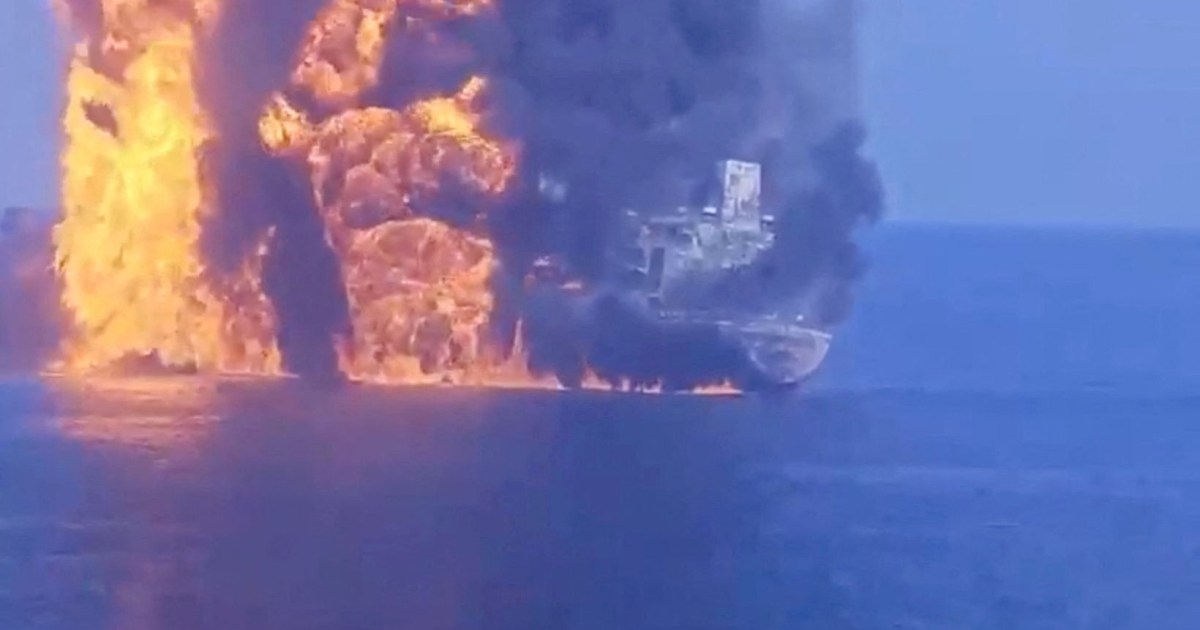
On Tuesday, Kuwait's military reported drone attacks on its territory, amidst a series of escalating tensions in the Middle East between Iran and the United States. The US carried out airstrikes on Iran's southern island of Qeshm earlier in the day, hours after Iran claimed it had launched a drone attack on a US radar system in Bahrain. Ahmad Nafisi, deputy governor of Iran’s southern Hormozgan province, stated that the US attacks on Qeshm caused no significant damage to residential, commercial, or infrastructural areas. Iran's Islamic Revolutionary Guard Corps asserted that they carried out a "precision operation" with drones on the US-operated radar at the Sheikh Isa air base in Bahrain, in retaliation for alleged repeated violations of Iranian airspace by US military drones. Bahrain reported intercepting the attack and hearing blasts over its capital, Manama, marking the third Iranian drone attack on Bahrain in five days following a lull of several weeks. This latest attack was reportedly in response to a recent Bahraini court ruling sentencing 64 people, mostly Shia clerics, to life imprisonment for allegedly colluding with Iran. Kuwait's armed forces responded to "hostile drone attacks" on Tuesday night and urged the public to follow safety instructions without disclosing further details about the origin of the drones or any casualties or damage. Additionally, three oil tankers were reported to have struck naval mines while trying to cross the Strait of Hormuz on Tuesday, with the US military claiming it had cleared the main routes of mines since the conflict began in February. The ongoing tensions come ahead of a planned three-way summit between US President Donald Trump, Chinese President Xi Jinping, and Russian President Vladimir Putin this week, where the Iran war is expected to feature prominently on the agenda.
SUMMARY (cont'd):
The escalating confrontations in the Gulf region have raised concerns about a potential wider conflict. The US has been increasing its military presence in the region, with another aircraft carrier, the USS Theodore Roosevelt, arriving in the Middle East on Monday. Iran's foreign minister, Abbas Araghchi, and his Omani counterpart, Badr Albusaidi, held talks in Muscat, Oman, discussing safeguarding shipping and diplomatic options to resolve the ongoing crisis. The US has imposed a naval blockade of Iranian ports and has been escorting tankers to ensure safe passage through the Strait of Hormuz, a crucial oil transportation route.
SUMMARY (cont'd):
The recent incidents highlight the complex web of political and military tensions in the region. Iran has accused the US of violating its airspace, while the US maintains that it is acting to protect its interests and ensure freedom of navigation in international waters. The latest developments underscore the need for diplomatic efforts to de-escalate the situation and prevent a wider conflict from erupting. The ongoing tensions also have significant economic implications, with potential disruptions to oil supplies posing a threat to global energy markets. As regional powers continue to exchange hostile acts, the international community is closely watching developments in the Gulf, hoping for a peaceful resolution to the crisis.