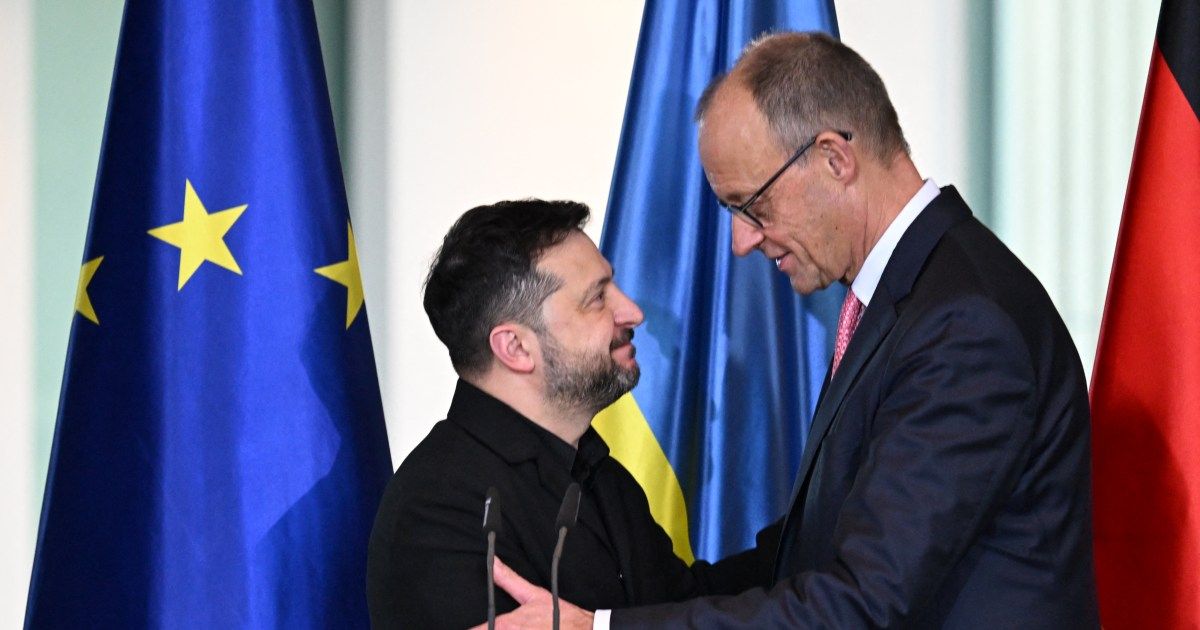
European leaders will convene in Berlin for a Coalition of the Willing summit aimed at addressing Ukraine's defense funding needs and advocating for a European role in Russia-Ukraine peace talks. The meeting, scheduled on Thursday, is set to be attended by more than 30 leaders, including Ukrainian President Volodymyr Zelenskyy, German Chancellor Friedrich Merz, French President Emmanuel Macron, and UK Prime Minister Andy Burnham. The summit's agenda includes long-term security guarantees and continued military and financial support for Ukraine, with air defense being Kyiv's immediate priority amid the threat of Moscow's drone attacks. US President Donald Trump's administration envoys Steve Witkoff and Jared Kushner are expected to attend, according to media reports, to meet Ukrainian officials and Europe's newly formed negotiating team, which includes France, Germany, the United Kingdom, Italy, Poland, European Commission President Ursula von der Leyen, and European Council President Antonio Costa. The meeting comes as Washington has backed European participation in the next round of talks, but Moscow has yet to agree. The impasse could potentially exclude Ukraine's main financial backer from discussions about its future.
In anticipation of the summit, the European Commission proposed an additional 45 billion-euro ($49.3bn) loan for 2027, with up to 25 billion euros ($27.4bn) earmarked for military aid and 20 billion euros ($21.9bn) for budget support. The proposed loan follows a 1.71 billion-euro ($1.87bn) payment made on Monday under an existing EU loan for drones, ammunition, and air defense. Despite the new loan proposal, Ukraine faces a 25 billion-euro ($27.4bn) financing gap next year. The Berlin summit provides European negotiators with an opportunity to agree on their demands for the next round of talks and directly present them to Trump's envoys, following a public disagreement between transatlantic partners in Brussels earlier this week.
Recent tensions have emerged regarding the effectiveness of Ukrainian strikes deep inside Russia and attacks on civilian infrastructure, with US Undersecretary for Policy Elbridge Colby arguing that such actions may have hardened Russian resolve. However, German Federal Minister of Defence Boris Pistorius and UK Defence Secretary Wes Streeting have expressed support for Ukraine's right to decide its own defensive strategies, emphasizing that long-range strikes have weakened Russia's military capabilities. As the US, Ukrainian, and Russian officials resumed talks last week, there is a renewed sense of energy within Europe regarding potential participation in negotiations, with EU leaders agreeing on a team in Dublin last week. European leaders are eager to ensure that they have a say in decisions affecting their security, budgets, and markets, as Washington should recognize that Europe will bear a significant portion of the financial and security burden of any settlement, necessitating a seat at the table.