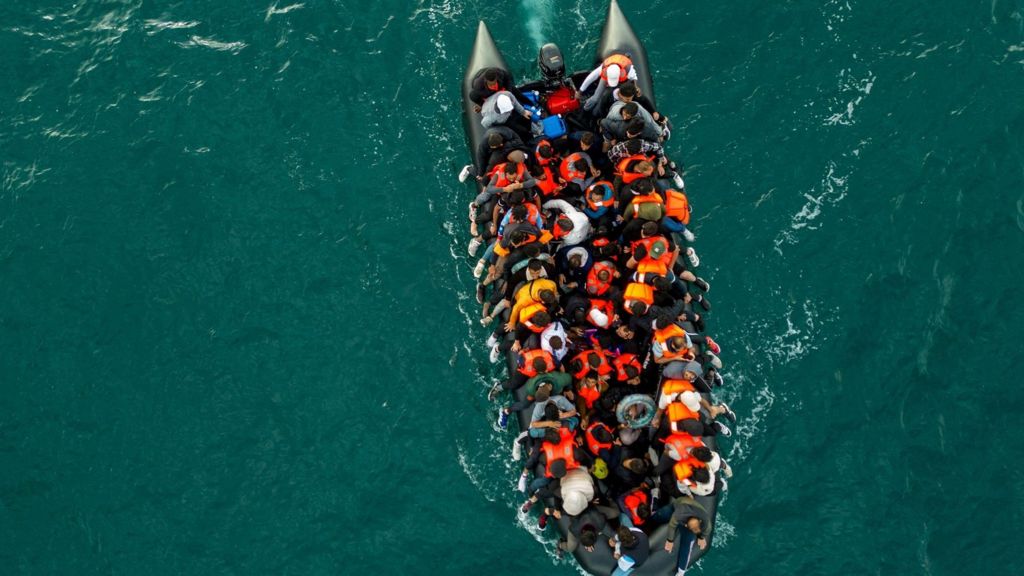
Five European Union (EU) countries - Germany, Denmark, Austria, Greece, and the Netherlands - have announced plans to establish a migrant return center in Rwanda next year. Known as a "return hub," this facility aims to facilitate the removal of failed asylum seekers from these nations, with the first phase set to accommodate approximately 100 people. The countries claim that the scheme complies with EU and international law. However, human rights organizations have expressed concerns over potential violations of migrant rights. This initiative follows a recent EU reform allowing for the creation of hubs outside the bloc. The participating nations will initially transfer single men to Rwanda, where they can integrate into society, access education, healthcare, employment, and legal services. Rwandan Interior Minister Vincent Biruta has expressed commitment to working with European partners, emphasizing their efforts to provide a safe, legal, and dignified solution for migrants while addressing global economic imbalances as a root cause of irregular migration.
--------------------
SUMMARY (cont'd):
The decision to select Rwanda has sparked debate due to its history of human rights issues, such as repression of dissent, arbitrary detention, and ill-treatment in detention. Human Rights Watch's senior Africa researcher Clementine de Montjoye has voiced concerns about the potential for suffering and harm caused by financing a government responsible for serious human rights abuses at home and abroad. The European Border and Coast Guard Agency reported almost 110,000 irregular border crossings into the EU in the first ten months of 2026, representing a 29% decrease compared to the previous year. The new initiative is seen as an attempt by EU administrations under pressure from elections to demonstrate their ability to control migration and address security, economic, and political concerns related to immigration.
--------------------
SUMMARY (cont'd):
The United Nations' International Organisation for Migration (IOM) may potentially play a supporting role in the migrant return hub. The IOM spokesperson noted their history of providing assistance to migrants in complex situations and ongoing discussions with some EU countries regarding the establishment of return hubs or similar mechanisms. Spanish Prime Minister Pedro Sánchez has criticized the plan, calling it "without future or humanity." Despite concerns and opposition from human rights organizations and some European leaders, Downing Street has not ruled out the possibility of the United Kingdom joining the scheme. The Dutch government has clarified that unaccompanied children will not be sent to the return hub.