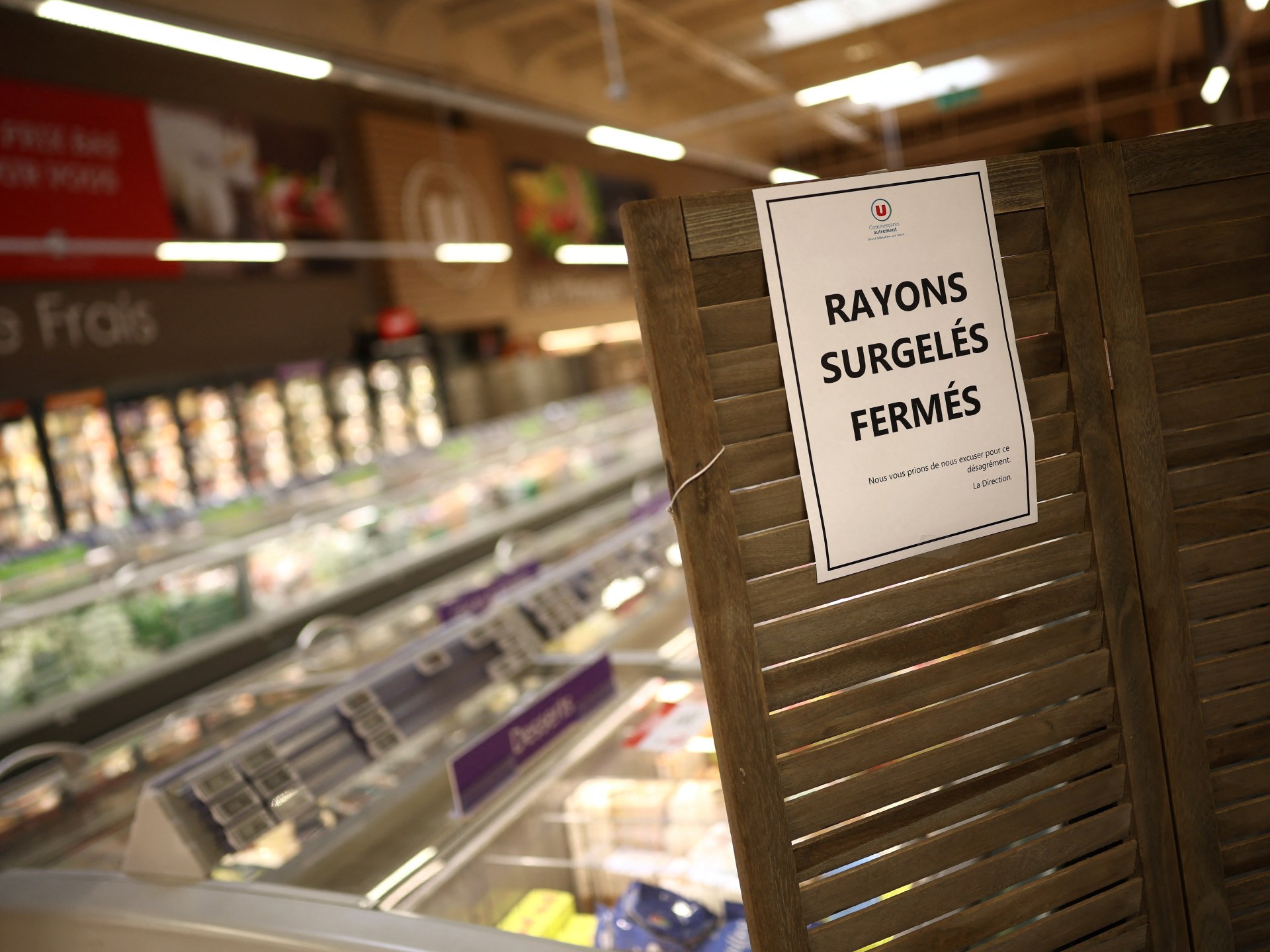
France has expressed strong disapproval towards alleged cyberattacks originating from Iran that targeted supermarket fridges last month. The French Foreign Minister, Jean-Noel Barrot, stated that the incident marked the first large-scale cyberattack aimed at sabotage on French national territory and constituted a significant attack on the nation's interests and the security of its people. He asserted that the government would take all necessary measures to deter further attacks, including those not disclosed publicly.
The alleged cyberattacks, which occurred on October 11 and 12, resulted in refrigerators being remotely accessed to initiate abnormal defrost cycles, leading to spoilage of millions of euros' worth of perishable food and, in some cases, fires or equipment damage. French supermarket groups such as E-Leclerc, Intermarché, Carrefour, Monoprix, and Cooperative U were all affected by the attacks.
The Iranian government has categorically denied the French accusations, calling them baseless. In a statement, Iran's Foreign Ministry rejected one-sided accusations against Iran regarding alleged cyber activities in France and condemned the "hackneyed policy of levelling accusations" against the Islamic Republic. Relations between Paris and Tehran have been strained over issues such as Iran's nuclear and ballistic missile programs, with recent tensions escalating in August when Iran arrested and later expelled two French diplomats.
The Paris prosecutor has opened an investigation into Shahid Kaveh, a cyber unit of the Iranian Revolutionary Guard Corps (IRGC), over the attacks. The prosecutor's office has requested international arrest warrants be issued for two Shahid Kaveh officials. Similar incidents have been reported in other European countries in recent days, including Belgium, Estonia, Ireland, Luxembourg, and Sweden. Experts have noted that tracking down the group responsible for these attacks is difficult due to poor cooperation on international cybercrime investigations.