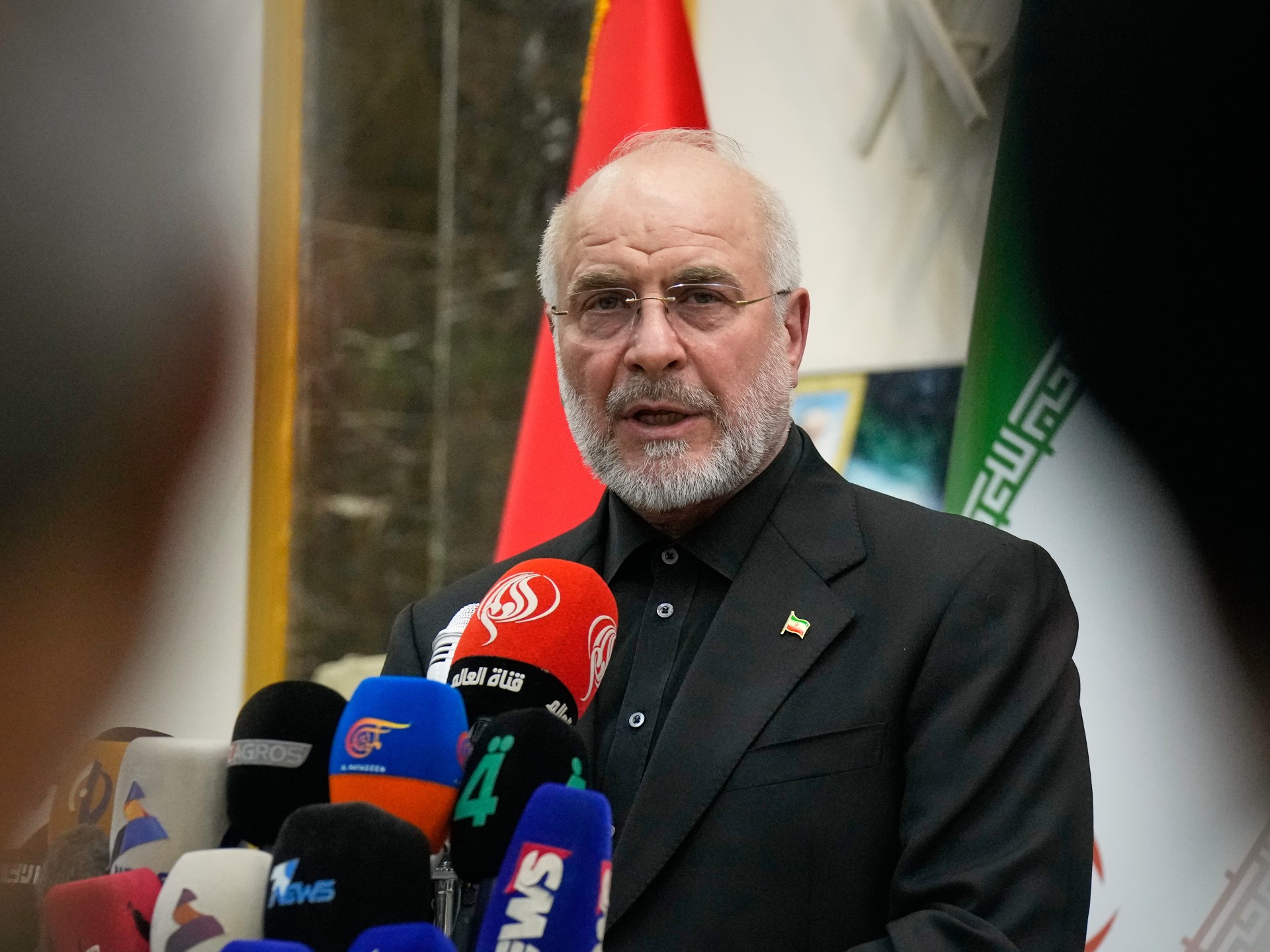
In an exclusive interview, Mohammad Bagher Ghalibaf, the speaker of Iran's parliament and its top negotiator, stated that the Strait of Hormuz will not revert to its pre-war state. The comments were made in light of Iran and Oman reaching an understanding to oversee the critical waterway as part of Tehran's seven-point proposal to end the eight-month conflict. Ghalibaf emphasized that international law, particularly the 1982 UN Convention on the Law of the Sea, does not apply to the strait, and its regulations are governed by the laws of the two bordering states. He further revealed that Iran has responded clearly to the US through a Qatari mediator, outlining seven conditions for peace talks, including lifting naval blockades, sanctions, and announcing an end to the war. Ghalibaf urged an official response from the US, stating that the ball is now in their court. The conditions proposed by Iran align with the Islamabad memorandum of understanding signed in June, and their implementation is necessary before negotiations can commence with the US. Ghalibaf also warned against further US attacks on Iran, anticipating another political defeat for President Trump as a new Congress takes office in January.
In an interview, Iran's parliament speaker and top negotiator Mohammad Bagher Ghalibaf expressed that the ongoing conflict in Yemen between Saudi-backed government forces and the Houthis should not be interfered with. He also stated that if both parties - the Yemeni government and Saudi Arabia - requested Iran's assistance, they would offer help to resolve the conflict. This statement comes after Iran previously offered to facilitate talks between Saudi Arabia and Yemen's Houthi group in October following a series of deadly attacks on the kingdom.
In an interview, Mohammad Bagher Ghalibaf, the speaker of Iran's parliament and its top negotiator, warned against further US military actions against Iran. He predicted that President Trump would face another defeat and political pressure from the new Congress that takes office in January if such actions were taken. Ghalibaf emphasized the need for a sustainable deterrent capability, including military capabilities, to move beyond a state of "no war and no peace."