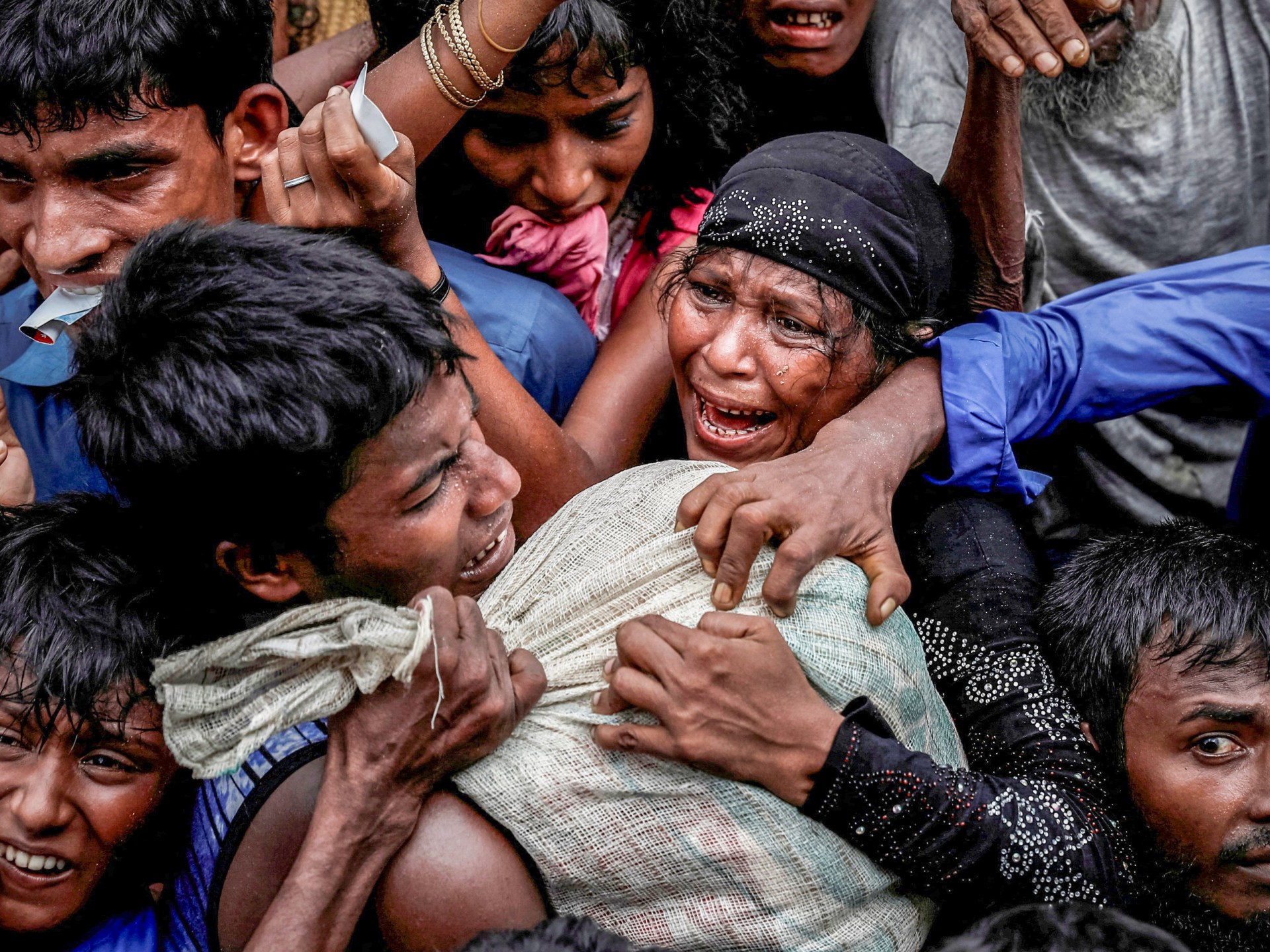
The United Nations' highest court, the International Court of Justice (ICJ) in The Hague, has found Myanmar guilty of committing genocide against the Muslim minority Rohingya community. In a landmark ruling delivered on Thursday, the ICJ held that Myanmar had breached its obligations under the 1948 Genocide Convention by perpetrating widespread acts of violence against the Rohingya in northern Rakhine state. The West African nation of The Gambia brought the case against Myanmar in 2019, accusing it of seeking to destroy the Rohingya people through its military crackdown, which drove over 730,000 Rohingya to flee to Bangladesh. According to ICJ President Yuji Iwasawa, evidence presented during the case revealed that Myanmar's security forces killed thousands of civilians, perpetrated widespread sexual violence, and attacked Rohingya as they fled to Bangladesh. The court found that these actions were committed with genocidal intent. As a result, Myanmar is now obliged to provide reparations and restitution to the Rohingya, including facilitating their safe return, returning or replacing damaged property, and ensuring protection from persecution. This ruling marks only the fourth time since the Nazi Holocaust that an international court has found a state guilty of genocide.
SUMMARY (continued):
The case against Myanmar was significant because it demonstrated the difficult process of proving specific intent to destroy a group in whole or in part, which is a high threshold set by the Genocide Convention. Toby Cadman, an international human rights lawyer, noted that this was the first time the ICJ had ruled that a state had specific intent to commit genocide. Human rights organizations welcomed the judgement as a significant step towards accountability in Myanmar. Amnesty International stated that it hoped the ruling marked the beginning of a long-overdue process of accountability, and called for all crimes under international law to be investigated and those suspected of responsibility brought to justice. The situation does not come to an end with the ICJ's ruling, and much will depend on what comes next, including whether the issue goes before the UN Security Council and whether there are sanctions or other remedies that the court can order to ensure enforcement.
SUMMARY (continued):
The Rohingya have long been treated as second-class citizens in Myanmar, with evidence of discrimination dating back well before 2017. The ICJ found that Myanmar should have known there was a risk of genocide when armed civilians participated in the military campaign against the Rohingya. More than 1.3 million Rohingya remain displaced across South and Southeast Asia, including over 1.2 million in sprawling refugee camps in Cox's Bazar in Bangladesh. The UN continues to express concern about conflict, shrinking humanitarian aid, and dangerous sea crossings that leave many members of the community displaced and vulnerable.