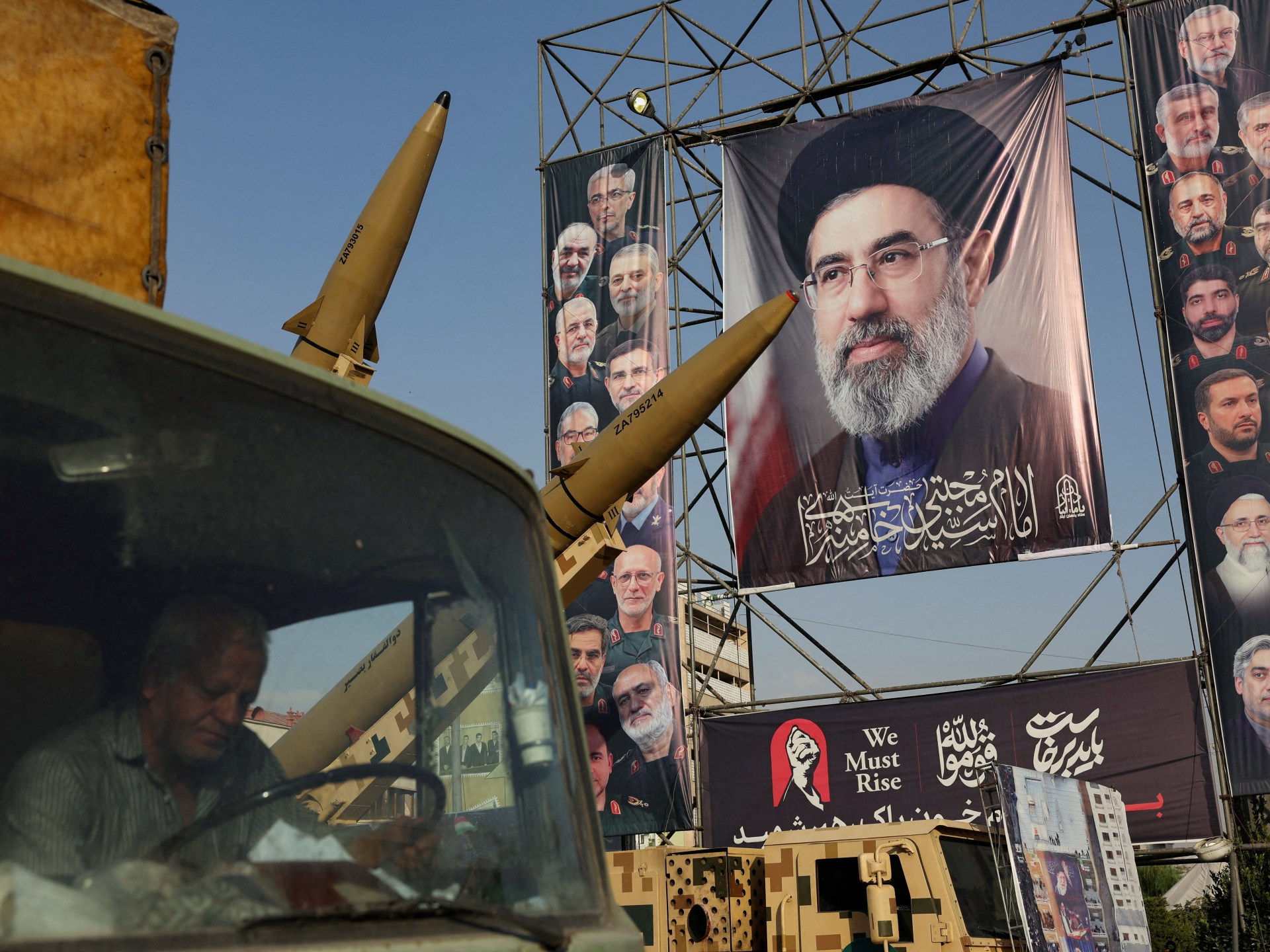
Iran's Islamic Revolutionary Guard Corps (IRGC) has declared the removal of a self-imposed limit on the range of its ballistic missiles, potentially extending their reach beyond the Middle East. The announcement was made by IRGC spokesperson Brigadier-General Hossein Mohebbi during a press conference in Tehran over the weekend. While Mohebbi did not confirm the existence of missiles exceeding the 2,000km (1,250-mile) cap, he emphasized that Iran would demonstrate its capabilities through action rather than statements. The decision comes amid heightened tension between Iran and regional powers, particularly the United States and Israel, following Supreme Leader Mojtaba Khamenei's warning of unlimited response to any threats from these countries. The move could allow Iran to position some rocket launchers in its eastern regions, potentially increasing the range required to reach Israel. Concerns have been raised by the US and its European allies regarding Iran's ability to target US bases in the Indian Ocean and Europe, with allegations of Iranian missile activity towards US-UK bases in Diego Garcia and other locations. Experts suggest that Iran may already possess missiles capable of exceeding the 2,000km range, but the IRGC's decision marks a shift in Tehran's stance on missile capabilities, potentially straining relations with European nations, particularly given their concerns over Iran's nuclear program and regional ambitions. The EU has designated the IRGC as a terrorist group and allowed US military presence on European soil, prompting repeated warnings from Iran to countries hosting American troops.
In a significant development, Iran's Islamic Revolutionary Guard Corps (IRGC) has announced the removal of its self-imposed 2,000km limit on ballistic missile range. The announcement, made by IRGC spokesperson Brigadier-General Hossein Mohebbi during a press conference in Tehran, raises questions about Iran's intentions to target regions beyond the Middle East. Although Mohebbi did not confirm the existence of missiles exceeding the cap, he emphasized that Iran would demonstrate its capabilities through action rather than statements. The decision comes amid escalating tensions between Iran and regional powers, particularly the United States and Israel, following Supreme Leader Mojtaba Khamenei's warning of unlimited response to any threats from these countries. This move could enable Iran to position some rocket launchers in its eastern regions, potentially increasing the range required to reach Israel. The announcement may have little impact on Gulf states, as they are already within Iran's 2,000km range and have been subjected to repeated Iranian missile fire since the US-Israel conflict began in February. However, it could pose a threat to US bases in the Indian Ocean and Europe, where concerns have been raised about Iran's ability to target these locations. In March, the United Kingdom accused Iran of firing missiles towards the joint US-UK base at Diego Garcia, approximately 4,000km from Iran. Experts suggest that Iran may already possess missiles capable of exceeding the 2,000km range, but the IRGC's decision marks a shift in Tehran's stance on missile capabilities, potentially straining relations with European nations, particularly given their concerns over Iran's nuclear program and regional ambitions.
In a significant development, Iran's Islamic Revolutionary Guard Corps (IRGC) has announced the removal of its self-imposed 2,000km limit on ballistic missile range. The decision, made by IRGC spokesperson Brigadier-General Hossein Mohebbi during a press conference in Tehran, suggests that Iran may now consider hitting targets beyond the Middle East. Although Mohebbi did not confirm the existence of missiles exceeding the cap, he emphasized that Iran would demonstrate its capabilities through action rather than statements. The move comes amid escalating tensions between Iran and regional powers, particularly the United States and Israel, following Supreme Leader Mojtaba Khamenei's warning of unlimited response to any threats from these countries. The decision could enable Iran to position some rocket launchers in its eastern regions, potentially increasing the range required to reach Israel. Concerns have been raised by the US and its European allies regarding Iran's ability to target US bases in the Indian Ocean and Europe, with allegations of Iranian missile activity towards US-UK bases in Diego Garcia and other locations. Experts suggest that Iran may already possess missiles capable of exceeding the 2,000km range, but the IRGC's decision marks a shift in Tehran's stance on missile capabilities, potentially straining relations with European nations, particularly given their concerns over Iran's nuclear program and regional ambitions. The move could have significant implications for global security, as it increases the potential reach of Iranian ballistic missiles beyond the Middle East.