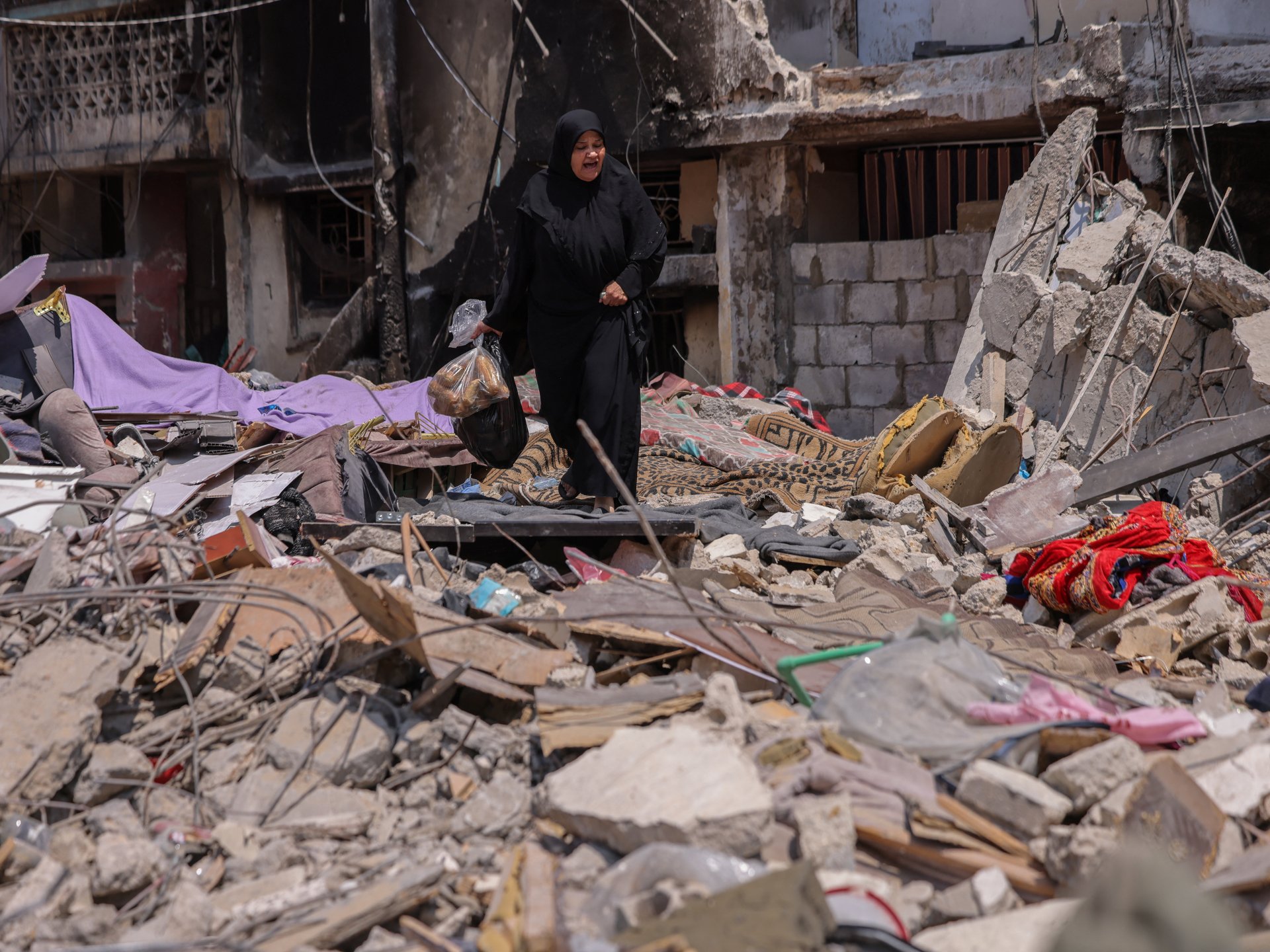
The United Nations has issued a dire warning about the food crisis in Lebanon, which is currently affecting almost a quarter of its population, or over one million people. This situation is largely due to two consecutive conflicts within less than two years and a deteriorating economic condition, as stated by the UN's Food and Agriculture Organization, the World Food Programme (WFP), and Lebanon's Ministry of Agriculture in a joint statement. The number of individuals facing acute food shortages is expected to rise to 1.15 million by mid-2023.
The joint statement highlights that employment opportunities are scarce, savings have been depleted, and debt remains high while the cost of food, fuel, and other essentials continues to strain household budgets. For many families, their options for putting food on the table are dwindling. "When families have nothing left to fall back on, even a small additional shock can push them deeper into crisis," Allison Oman Lawi, WFP representative and country director in Lebanon, said.
Lebanon's Agriculture Minister Nizar Hani emphasized the need for a coordinated national response that addresses urgent food needs while protecting livelihoods and restoring productive capacity. The cost of two wars between Israel and Hezbollah since October 2023 is estimated to be around $27bn, with the last war displacing over one million people in Lebanon. However, despite a United States-brokered ceasefire agreement signed between Israel and Lebanon's government in June, Israeli forces are still occupying land in Lebanon, as per the terms of the agreement, which also required Lebanon to disarm Hezbollah, not a party to the agreement. The fighting erupted as Lebanon grappled with its worst-ever economic crisis, which began in 2019. Beirut has been seeking aid from the International Monetary Fund but has yet to implement reforms demanded by the institution to release the aid.