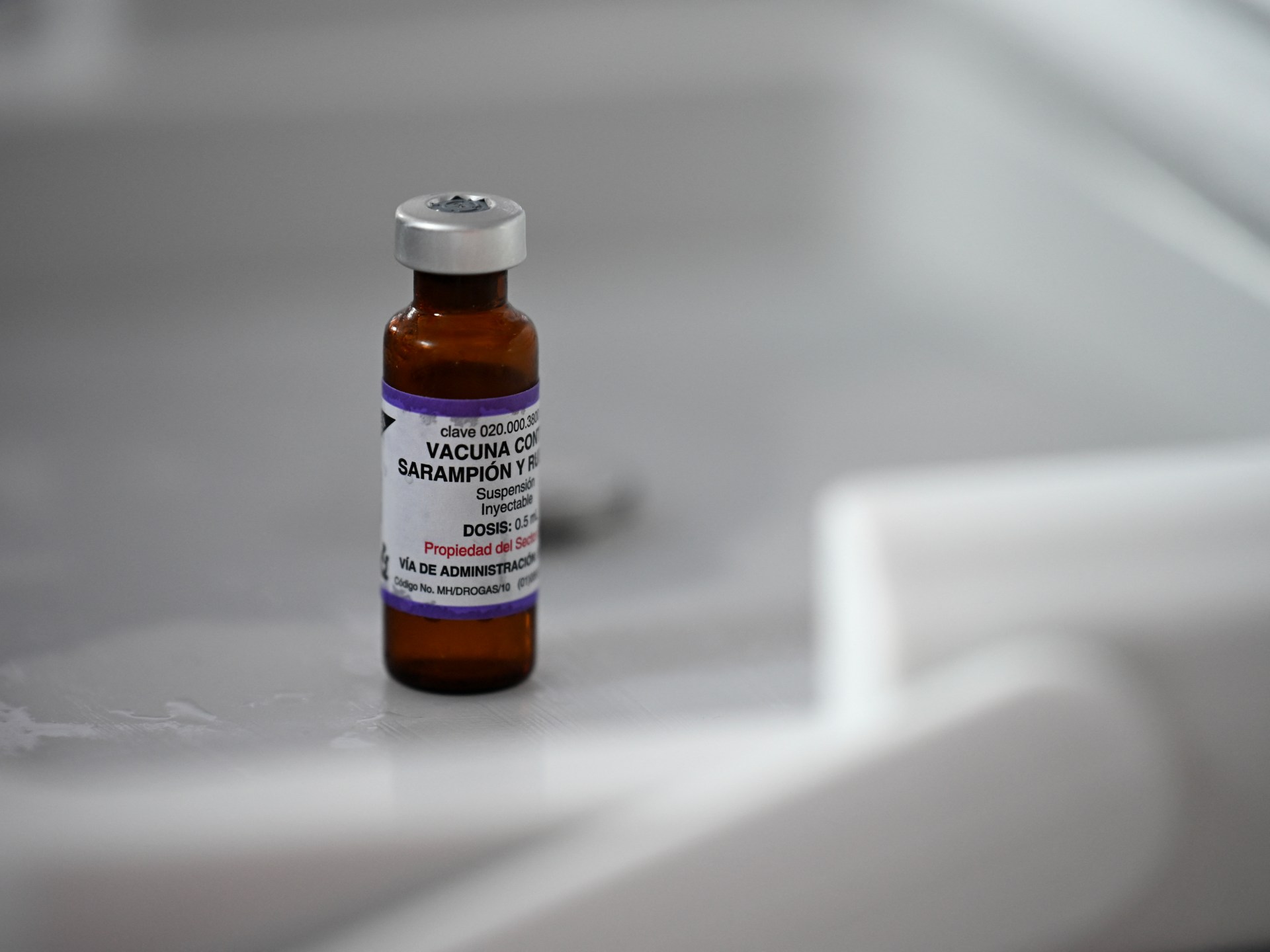
In a concerning development, Pennsylvania has reported its eighth measles-related death this year, following the United States' loss of its 26-year measles elimination status. The unidentified victim was a resident of Clinton County and had not been vaccinated against measles. This latest fatality comes shortly after the Pan American Health Organization (PAHO) revoked the US's elimination status on Tuesday, citing continuous circulation of the virus in several parts of the country for over 12 months.
The United States is currently grappling with its worst measles outbreak in over three decades, with a total of 5,412 confirmed cases since January 2026. Pennsylvania alone has reported 1,589 cases across 46 counties. In response to the outbreak, the Pennsylvania Department of Health (DOH) has deployed approximately 300 staff members to combat the spread of the virus through community outreach and administering over 11,500 MMR vaccines this year, including over 7,200 shots in pop-up clinics since late April.
Experts attribute the rising number of measles cases to vaccine hesitancy in recent years. Measles is highly contagious and can spread rapidly through coughing or sneezing, with approximately 90 percent of those not immune expected to contract the virus upon exposure. Critics have pointed towards leadership under US President Donald Trump as a contributing factor to measles outbreaks, with Health Secretary Robert F Kennedy Jr questioning the efficacy and safety of vaccines like the MMR shot and making unsubstantiated claims about the vaccine containing aborted fetal debris. However, Kennedy encouraged vaccination in a social media post following PAHO's decision to revoke the US's measles elimination status.
The Centers for Disease Control and Prevention (CDC) remains committed to stopping measles outbreaks and regaining the country's elimination status. CDC Director Erica Schwartz emphasized that vaccination, not the elimination designation, is what protects Americans from measles. The controversy surrounding vaccine safety and efficacy has persisted despite evidence supporting their safety and effectiveness in preventing diseases like measles.