The International Court of Justice (ICJ), the United Nations' highest judicial organ, is set to deliver a landmark judgment on Thursday, January 21st, at the Peace Palace in The Hague. This ruling will determine whether Myanmar has committed genocide against its Rohingya minority, a decision that could potentially mark the first time a state is held accountable for such crimes. The hearing stems from a case brought forth by The Gambia in November 2019, with the support of the Organisation of Islamic Cooperation, alleging Myanmar's responsibility for genocide as a result of a 2017 military offensive that forced more than 730,000 Rohingya, primarily Muslims, to flee into Bangladesh. Survivors have recounted accounts of mass killings, rapes, and village burnings, with the United Nations fact-finding mission concluding that these actions constituted "genocidal acts." Myanmar denies the allegations, asserting its forces acted legitimately in response to attacks by armed groups and lacks direct evidence of an intent to destroy the Rohingya. If found guilty, potential consequences for Myanmar could include orders to prosecute those responsible, provide reparations, and ensure safe return of the Rohingya. However, enforcing the ruling is limited due to the ICJ's restricted enforcement capabilities. Should Myanmar disregard the ruling, The Gambia may seek intervention from the UN Security Council.
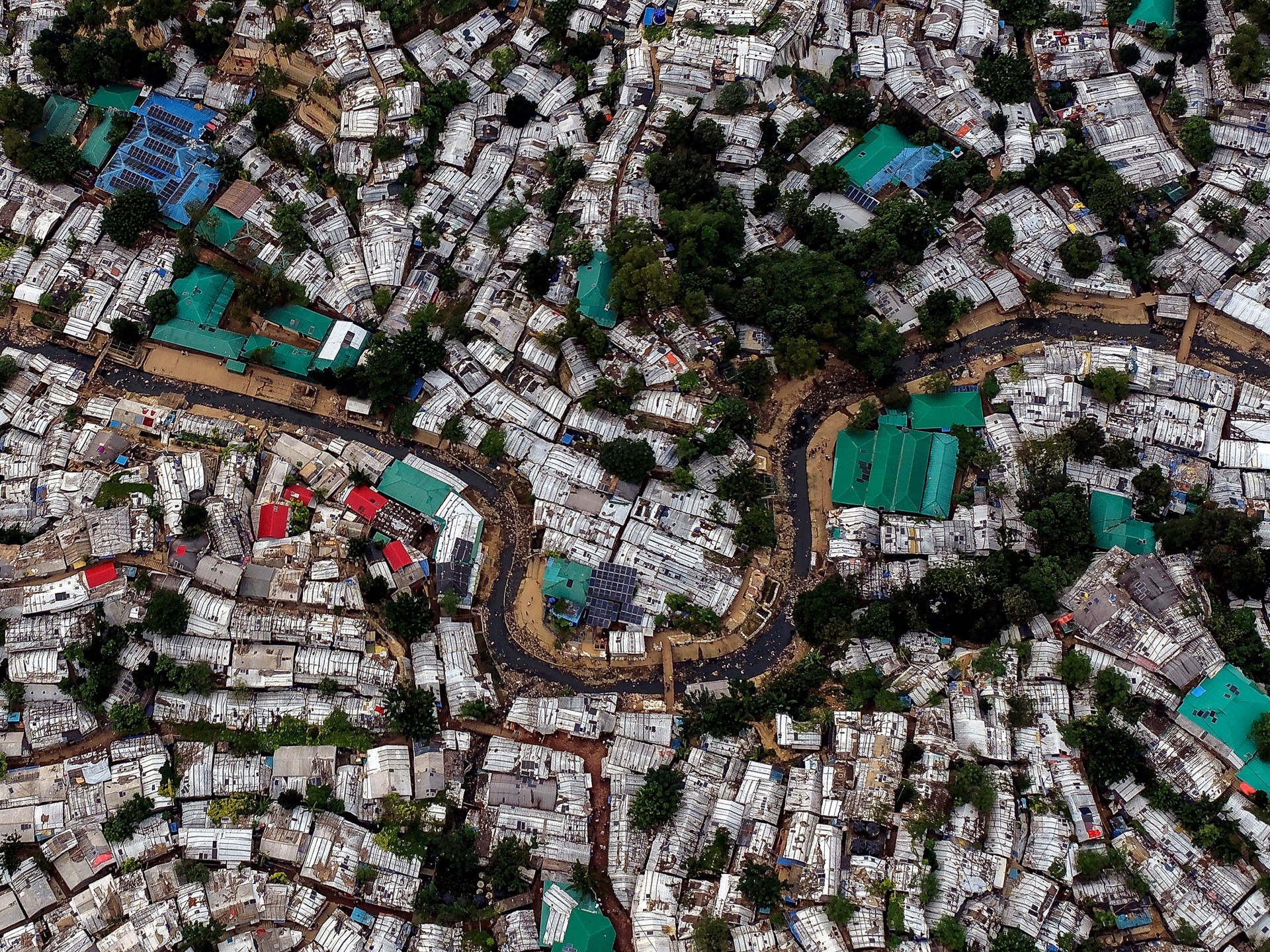
Over a million Rohingya refugees in Bangladesh await the International Court of Justice (ICJ) ruling, scheduled for January 21st at The Hague's Peace Palace. This decision could mark the first time a state is found guilty of genocide by the ICJ. The case stems from allegations made by The Gambia in November 2019, with the support of the Organisation of Islamic Cooperation, that Myanmar's military offensive in 2017 resulted in genocide against its Rohingya minority, leading to over 730,000 Rohingya fleeing into Bangladesh. Survivors have reported mass killings, rapes, and village burnings. The UN fact-finding mission concluded that these actions constituted "genocidal acts." Myanmar denies the allegations but could face potential consequences if found guilty, including orders to prosecute those responsible, provide reparations, and ensure safe return of the Rohingya. However, enforcing the ruling is limited due to the ICJ's restricted enforcement capabilities.
The International Court of Justice (ICJ) ruling, scheduled for January 21st at the Peace Palace in The Hague, could have far-reaching implications beyond the Rohingya crisis. This decision, which may mark the first time a state is found guilty of genocide by the ICJ, could set precedents for other cases, such as South Africa's accusations against Israel in Gaza. The ICJ settles disputes between states and cannot try individuals, leaving the International Criminal Court responsible for individual prosecutions. If Myanmar is found guilty, potential consequences could include orders to prosecute those responsible, provide reparations, and ensure safe return of the Rohingya. However, enforcing the ruling is limited due to the ICJ's restricted enforcement capabilities. Should Myanmar disregard the ruling, The Gambia may seek intervention from the UN Security Council.