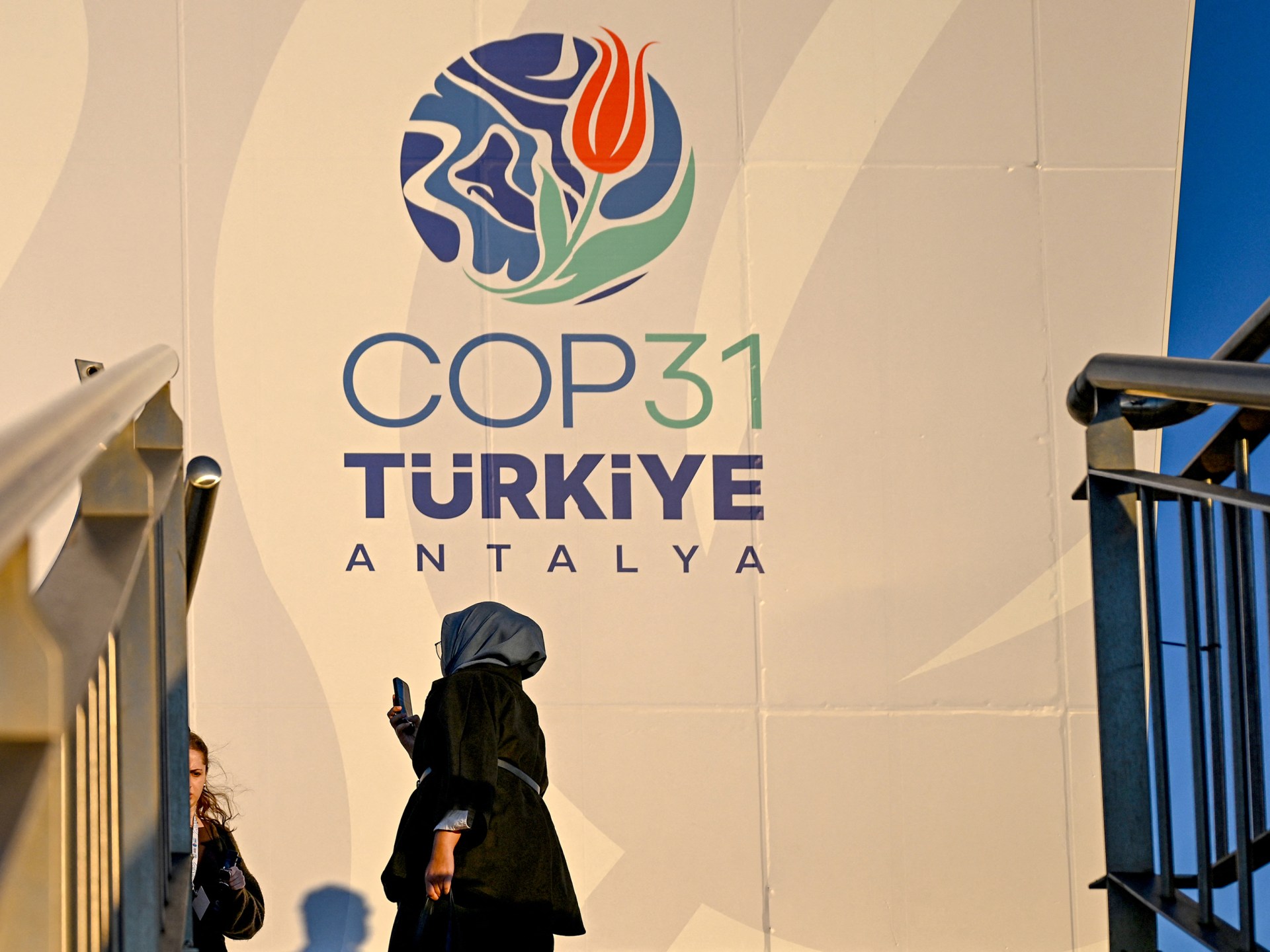
Turkey Elevates Electrification as Top Priority at COP31 Climate Conference
The United Nations climate conference, COP31, commences on Monday in Antalya, Turkey, amidst the US-led conflict with Iran that has emphasized the world's dependence on fossil fuels.
More stories
International Court of Justice Rules Myanmar Guilty of Genocide Against Rohingya: Implications for Future Cases
The International Court of Justice (ICJ) delivered a historic verdict on Tuesday, finding Myanmar guilty of genocide against the Rohingya people.
European Leaders Ready for Dialogue with Russia over Ukraine Crisis
European leaders have expressed a united stance in preparation for negotiations with Russia to end the ongoing conflict in Ukraine, as shown at a summit of Ukraine's allies known as the Coalition of the Willing in…
European Leaders Unite to Affirm Support for Ukraine and Press for Inclusion in Peace Talks
European leaders convened in Berlin, Germany, in a show of unity aimed at supporting Ukraine amidst ongoing peace talks involving the United States, China, and Russia.
Unprecedented Dangers for Gaza's Children: Save the Children Report
In a concerning turn of events, Save the Children has issued a global report, revealing that one-third of all documented attacks and violations against children worldwide occurred in the occupied Palestinian territory.
De la Espriella and Hegseth Stress Collaboration Amidst Controversy over Direct US Intervention in Colombia
United States Secretary of Defense Pete Hegseth has commended the strong alliance between the White House and Colombia's President Abelardo de la Espriella during a recent visit to Bogota.
ICJ rules Myanmar responsible for genocide against Rohingya minority
In an unprecedented ruling, the International Court of Justice (ICJ) has found Myanmar guilty of committing genocide against its Rohingya minority.