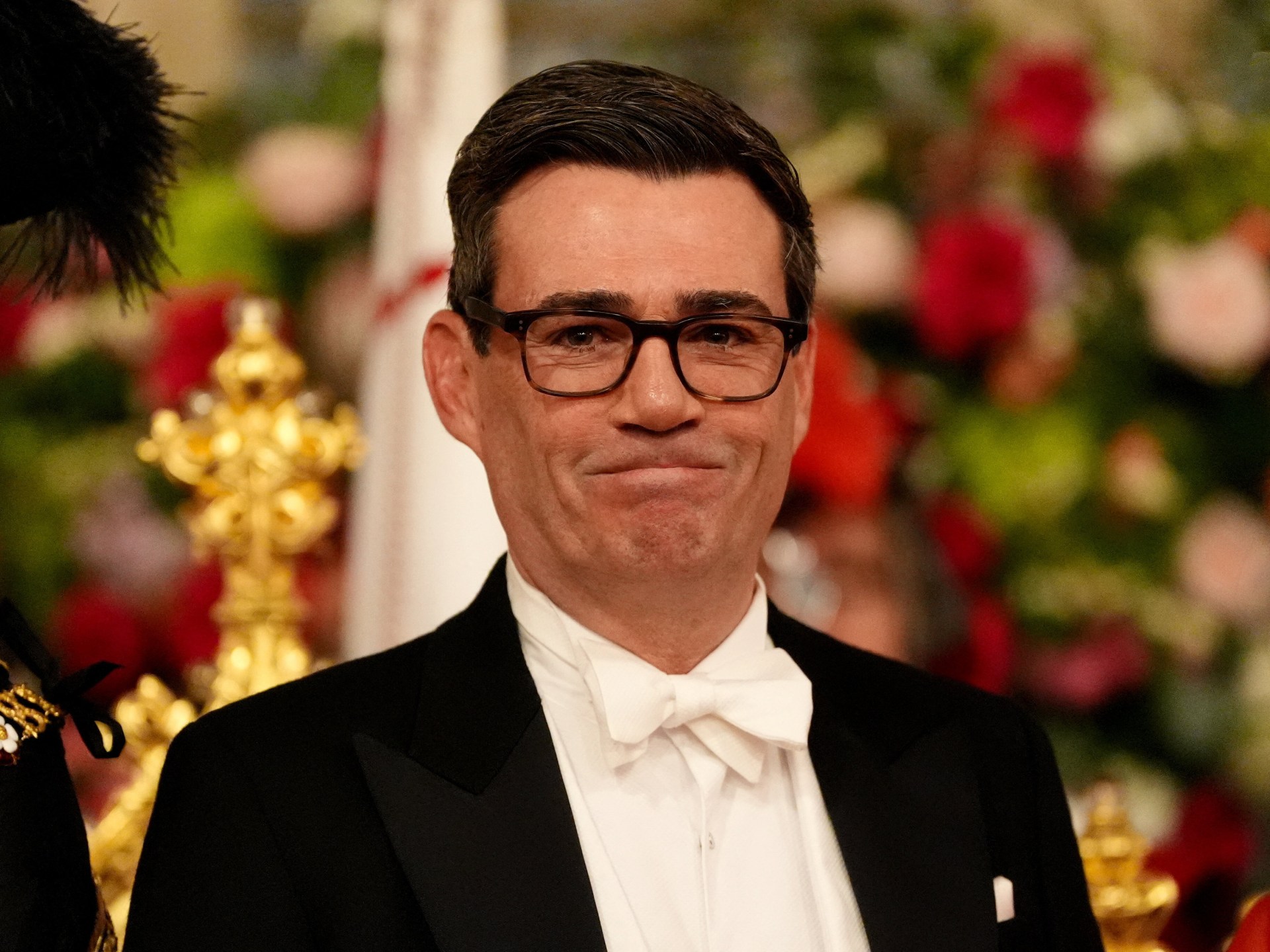
In a significant shift in UK politics, British Prime Minister Andy Burnham has expressed dissatisfaction with the Brexit outcome, likening it to Hans Christian Andersen's "The Emperor's New Clothes." Addressing the Lord Mayor’s Banquet in London, Burnham asserted that the country had suffered more losses than gains in the past decade and called for a reset in relations with the European Union (EU) to combat growing global isolationism.
The upcoming UK-EU summit in Brussels on Friday is seen as a potential step towards achieving this goal, offering the possibility of real improvements in neglected regions of the country. Any deal would need to meet three criteria: alignment with Labour’s manifesto and red lines, improvement of the Brexit deal to match public expectations from 2016, and fulfillment of Burnham's Makerfield Test, ensuring tangible benefits for long-neglected parts of the UK.
Burnham emphasized that the promise of Brexit—taking back control over borders, laws, and economy—has not been realized. Trade with EU countries has plummeted, and economic damage estimates range from 4% to 8% of the UK's GDP. In an attempt to move past a decade of political strife that has seen seven prime ministers since 2016, Burnham posited that the UK is well-positioned to lead in an era of renewed international cooperation due to its post-2016 experiences.
However, Burnham's proposed discussions with EU partners on Britain's long-term relationship with the bloc are subject to public approval, as he remains bound by Keir Starmer's pledge not to rejoin the tariff-free customs union or frictionless single market for goods, services, and workers. Reopening this pledge could reignite the divisive 2016 referendum issue, with a 52% vote in favor of leaving the EU and 48% supporting remain.
According to reports, the summit is expected to seal deals on trading food and drink, energy and emissions, and plans for young people to work temporarily across Britain and the EU. As Burnham seeks to erase the political turmoil caused by Brexit, he argues that the UK must position itself as a leader in an era of renewed global cooperation rather than succumb to isolationism and protectionism.