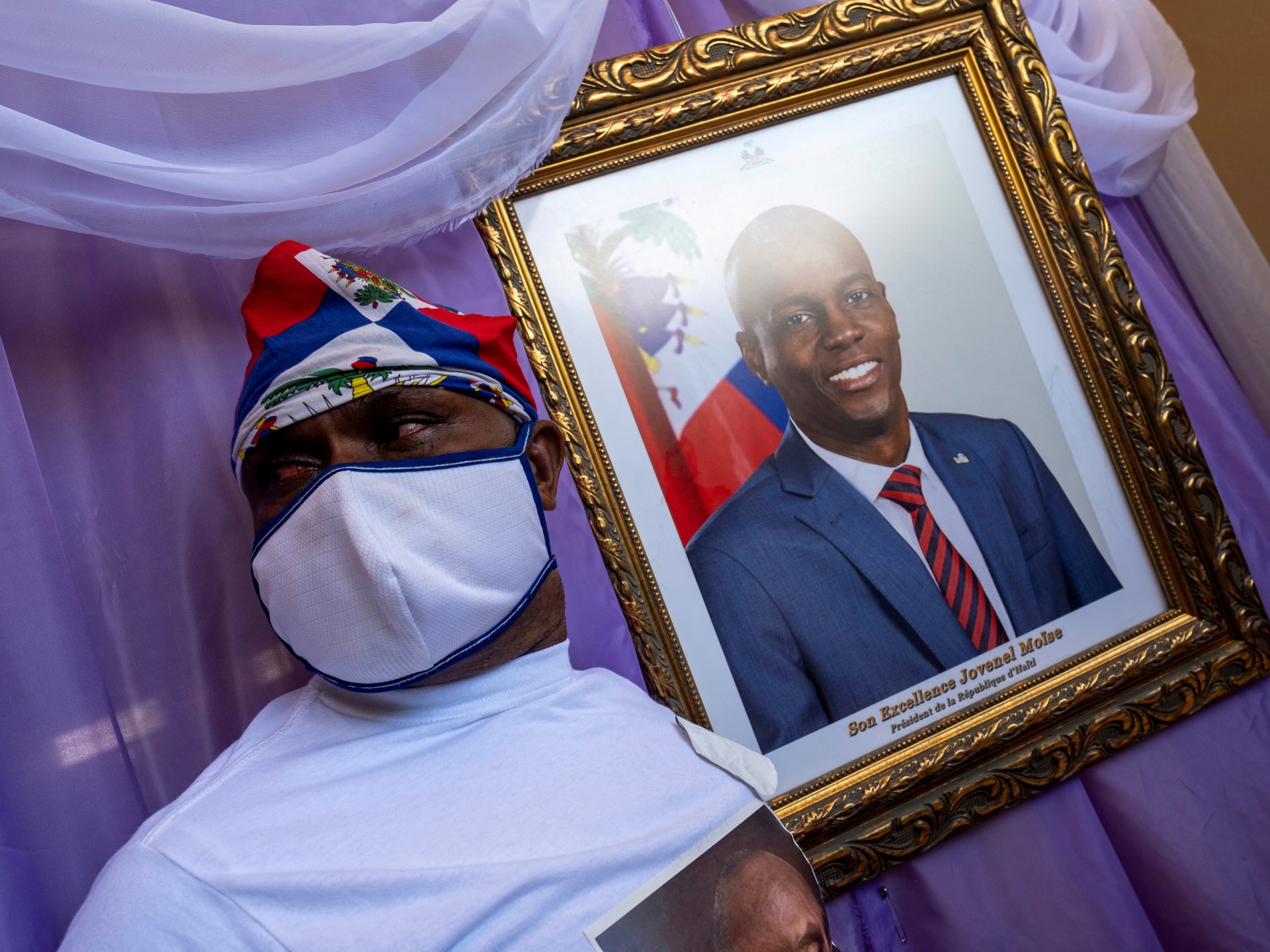
In a landmark conviction, a Miami federal court found Christian Emmanuel Sanon, a Haitian-American pastor, guilty of charges related to the assassination of Haitian President Jovenel Moise. The trial, which lasted nearly eight weeks, saw Sanon convicted on all eight counts, including conspiring to kill the Caribbean nation's president who was killed in his home on July 7, 2021. Prosecutors alleged that the plot involved paying around two dozen foreign mercenaries with funds obtained from U.S. government programs meant for businesses during the COVID-19 pandemic. South Florida was reportedly a key hub for planning and financing the operation to oust Moise and install a president of the conspirators' choosing. Sanon testified that he communicated with those trying to replace Moise, but claimed the group had switched to another candidate before the assassination. He denied any knowledge of plans to kill the president and maintained his innocence throughout the trial. Arrested in Haiti's capital days after the assassination, Sanon now faces up to life in prison and is scheduled for sentencing on February 10. His lawyer has stated they will file an appeal at the appropriate time. U.S. prosecutors have charged over 40 people in relation to the assassination, with more than a dozen already convicted, including five serving life sentences. The list of indictments released by U.S. prosecutors in September included four individuals whose names were redacted. Seven more people have been charged for their roles in funding the assassination plot and helping those responsible evade justice after the killing. Among them is Vitel’homme Innocent, a gang leader linked to the kidnapping of 17 U.S. and Canadian missionaries later in 2021. He remains at large. Those still to face trial include Joseph Felix Badio, a former government anti-corruption official, and 17 Colombian former soldiers flown in from Haiti in September. The assassination led to a power vacuum in Haiti, with armed gangs seizing control of much of the capital and surrounding regions. The United Nations Human Rights Office documented over 4,500 people killed in armed violence between January and October this year, causing economic, security, and humanitarian crises that forced nearly 1.5 million people to flee their homes, according to the UN.
In a significant development following the assassination of Haitian President Jovenel Moise, his widow, Martine Moise, has registered as a presidential candidate for Haiti's 2027 general election, marking the first in more than ten years. Moise, a key witness in the trial against Christian Emmanuel Sanon, was flown to Florida for treatment for bullet wounds she sustained during the attack on her home. Despite the tragic circumstances, she has decided to step into politics and seek the presidency. The situation in Haiti remains precarious, with armed gangs seizing control of much of the capital and surrounding regions, causing economic, security, and humanitarian crises that have forced nearly 1.5 million people to flee their homes, according to the UN.
The United Nations Human Rights Office has documented over 4,500 people killed in armed violence between January and October this year in Haiti. The situation has caused economic, security, and humanitarian crises, forcing nearly 1.5 million people to flee their homes, according to the UN. Armed gangs, widely believed to be aided by corrupt politicians, have seized control of much of the capital and surrounding regions since the assassination of President Jovenel Moise. The United Nations is urging the international community to take action to address the crisis in Haiti and restore stability and security to the country.