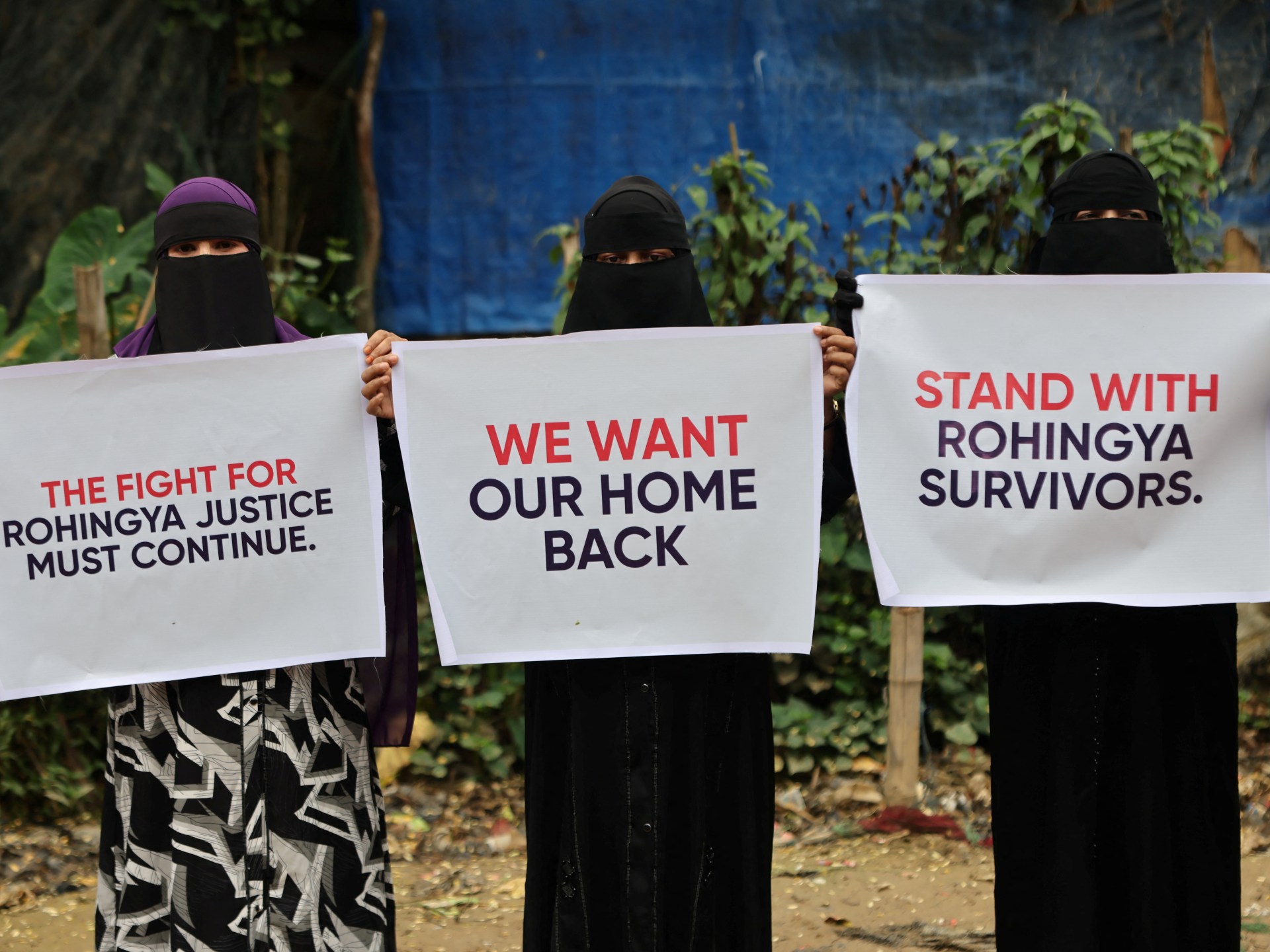
In a historic decision on Thursday, the International Court of Justice (ICJ) found Myanmar guilty of committing genocide against the Rohingya minority ethnic group. After seven years of deliberations, ICJ President Yuji Iwasawa delivered the long-awaited ruling, taking three hours to read out. The court's ruling was unanimous, with nine out of fifteen judges finding Myanmar guilty. This is the first time in the history of the World Court that a state has been found responsible for genocide. The Gambia, which brought the landmark case against Myanmar in 2019, welcomed the verdict.
The ruling comes after decades of persecution by Myanmar's military, culminating in an offensive in 2017 that forced about 750,000 Rohingya from their homes and lands into squalid refugee camps, primarily in neighboring Bangladesh. The Rohingya reported cases of mass killings, torture, and rape at the hands of Myanmar's military and allied militias.
The ICJ ruled that Myanmar must cease all acts of violence against the Rohingya and investigate those responsible for culpable actions. The court also ordered Myanmar to take immediate and effective steps to investigate all persons suspected of culpability, prosecute and punish the guilty, and provide guarantees that such acts will never happen again. Importantly, the court ruled that Myanmar must institute restitution and reparations in the case, including allowing safe and voluntary return for Rohingya refugees, returning or replacing damaged property, facilitating searches for the disappeared, ensuring proper burials, providing physical and psychological rehabilitation for survivors, and protecting them from further persecution.
The ICJ's ruling is significant because it requires Myanmar to take action, but it cannot enforce its rulings. The Gambia could now table the case at the United Nations Security Council and request action. For the Rohingya people, this ruling represents a long-awaited victory in their quest for justice and safety.