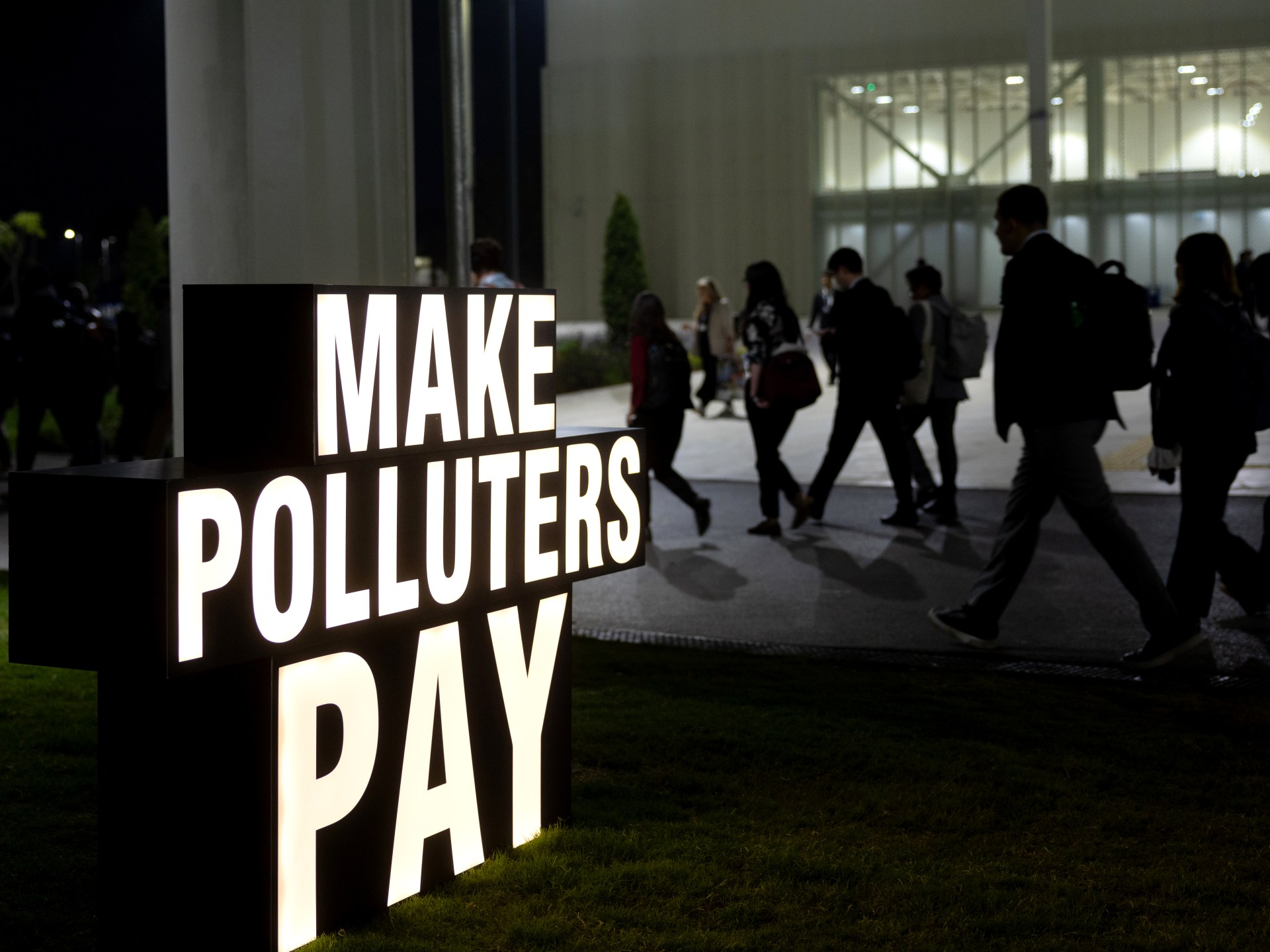
Tensions are running high at the ongoing United Nations climate conference (COP31) in Turkiye, with delegates from various countries expressing differing views on a draft decision that includes calls for phasing out fossil fuels and the publication of the Intergovernmental Panel on Climate Change's (IPCC) seventh assessment report. The 18-page draft "cover decision" published by summit cohost Australia has become a contentious issue, with the European Union's climate envoy, Wopke Hoekstra, stating that it needs significant changes to make negotiations viable. Brazil's environment minister, Joao Paulo Capobianco, however, believes that these deadlocks can be resolved through adjustments in the wording of the draft.
Australia's Climate Minister Chris Bowen admitted that the text contains elements not all parties agree on, and he expects at least one more draft before the end of the week. The talks are scheduled to conclude on Friday, but they often extend beyond this date as agreements must be reached by consensus, allowing a single country to block the process. The draft text includes demands for wealthy nations to achieve net zero emissions by 2030 and language on phasing out fossil fuels that oil-rich countries have long resisted.
A significant point of contention is the consensus on net zero emissions at COP31, which Michael Joseph, Antigua and Barbuda's environment minister, finds very challenging. On the other hand, emerging countries are pushing for more obligations on developed countries, according to an unnamed official from a European country. This has sparked disagreements between a bloc of countries that includes Saudi Arabia and India.
Another dispute revolves around the timeline for the publication of crucial reports by the UN's climate science panel, which several European, African, and Pacific states want published before the next COP33 conference in 2028. The IPCC suspended its last meeting due to an impasse, with a new session scheduled for December to resolve the issue. Delays in publishing the IPCC's seventh assessment report have been criticized as unjustifiable by Ilana Seid, chair of the Alliance of Small Island States.
Saudi Arabia defended its position on the publication timeline for the IPCC report, stating that it is not seeking to delay climate science but rather advocates for timelines that allow sufficient scientific review, transparency, and meaningful participation. However, the issue remains a major point of discussion at COP31.