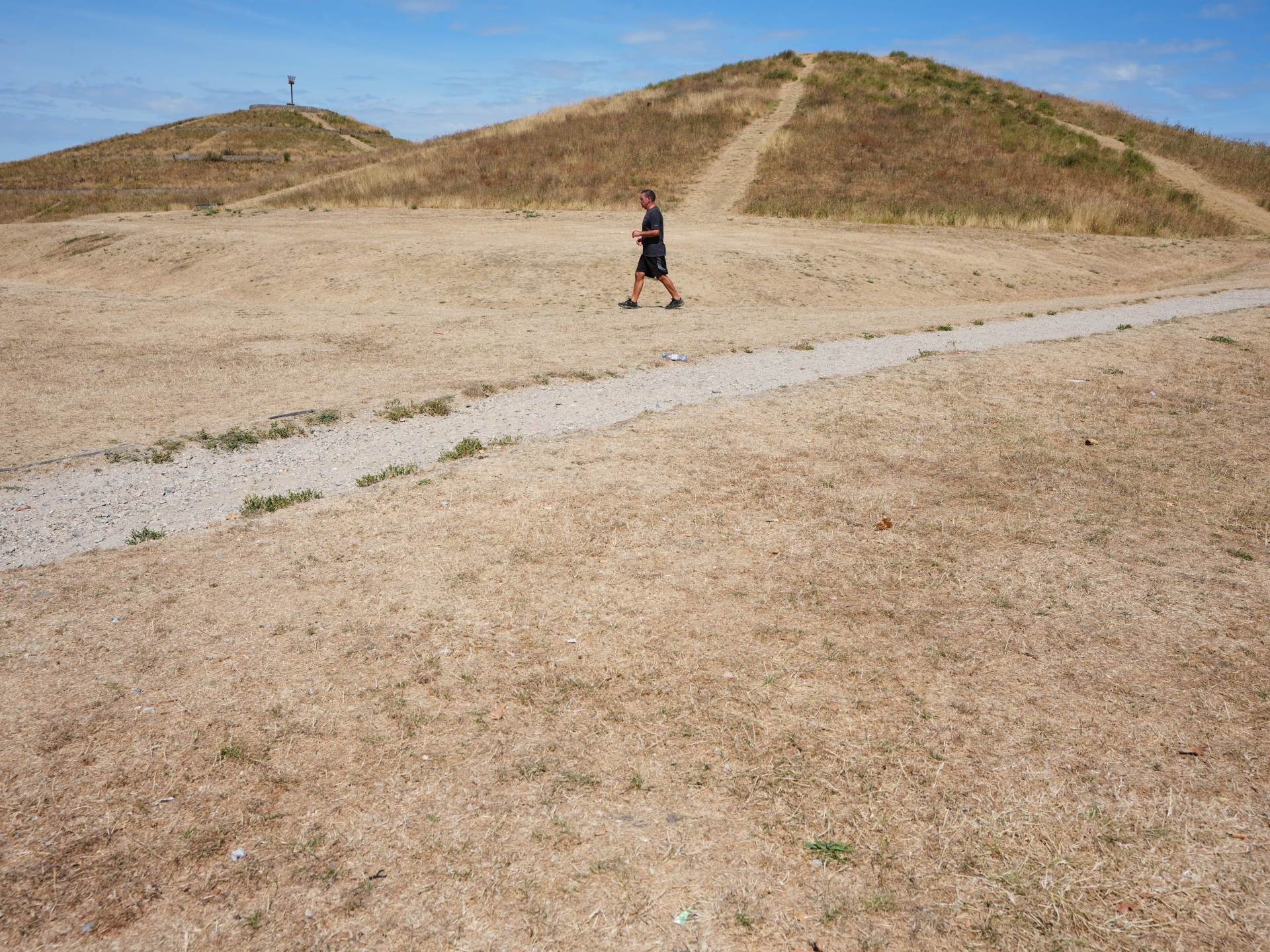
Western Europe Experiences Record-Breaking Heatwave, Amplifying Drought and Wildfires
The Copernicus Climate Change Service has reported that Western Europe experienced its warmest June and July on record this summer, with average temperatures reaching 21.62 degrees Celsius (70.9…
More stories
Landslide Survivors Pursue Climate Justice at the UN Over Neglected Safety and Livelihood Concerns
Survivors of a devastating landslide in Uganda's Bududa district, which occurred in 2019 and claimed over 53 lives, have taken their demand for relocation and compensation to the United Nations.
Climate Negotiations at COP31 Face Intense Disagreements Over Fossil Fuel Phaseout and IPCC Report Publication
Tensions are running high at the ongoing United Nations climate conference (COP31) in Turkiye, with delegates from various countries expressing differing views on a draft decision that includes calls for phasing out…
Questions Arise over Accountability and Corruption in Libya's Post-Flood Reconstruction Effort
In the eastern city of Derna, Libya, a remarkable reconstruction project has taken place, three years after devastating floods left the community in ruins.
Portugal Braces for Storm Charles: Schools Closed, Flights Cancelled Nationwide
In an effort to mitigate the impact of the approaching Atlantic storm, authorities in Portugal took preventive measures, cancelling over 300 flights and closing schools nationwide.
COP31 Host Turkiye Advocates for Electrification Initiative to Combat Climate Crisis
At the 31st Conference of the Parties (COP31) on climate change in Antalya, Turkiye, United Nations Secretary-General Antonio Guterres has called for urgent action to combat climate change, citing the current crisis as…
Greta Thunberg Accuses UN Climate Talks of Prioritizing Profits over People
Swedish climate activist Greta Thunberg has criticized the United Nations climate talks in Antalya, Turkey, as hypocritical and prioritizing profits over people and the planet.